Aydın,
-4°C
açık

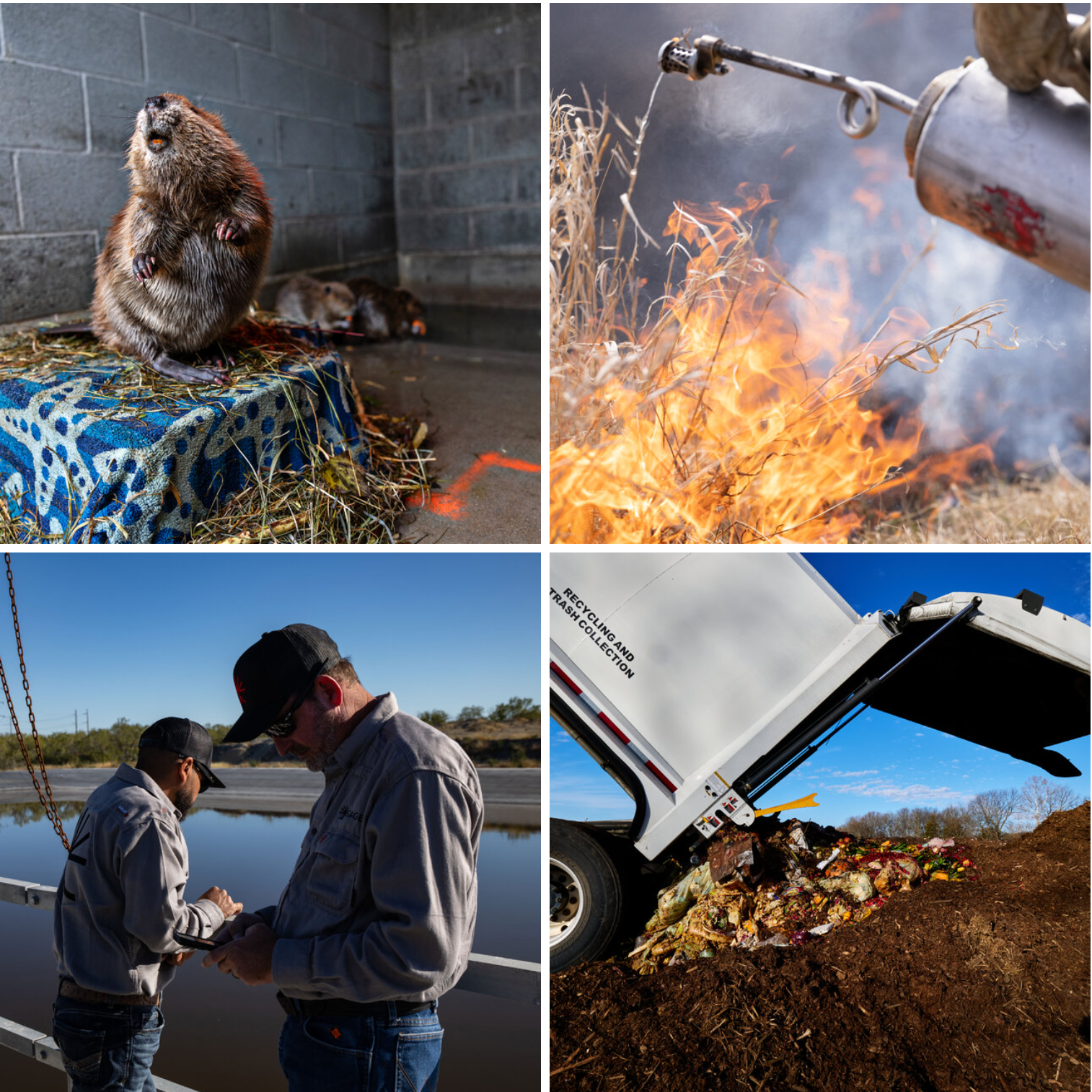
From the windswept plains of the Midwest to the sun‑drenched coasts of the West, every state is experimenting with its own blend of policies, technologies, and community actions to combat climate change. Below is a snapshot of the most innovative approaches that are turning the United States into a patchwork of climate‑smart experiments.
Massachusetts has launched a regional offshore wind consortium that brings together utilities, fishermen, and universities to build the nation’s largest offshore wind farm by 2027. Vermont is pairing its abundant hydro‑electric resources with micro‑grid storage to keep rural towns powered during winter storms.
In New York City, the “Million Trees” initiative is coupled with green roof incentives that have added over 3,000 acres of vegetated rooftops. Pennsylvania is pioneering stormwater capture systems that reduce flood risk while replenishing groundwater supplies.
Iowa leads the nation in no‑till farming, dramatically cutting soil carbon emissions. Illinois offers carbon‑credit programs for farmers who adopt cover crops, creating a new revenue stream while improving soil health.
Texas—often associated with oil—has become a hub for wind power, now generating more electricity from wind than any other state. In Florida, coastal municipalities are installing living shorelines that use native vegetation to buffer sea‑level rise.
Colorado is expanding its solar‑plus-storage projects, allowing utilities to shift excess daytime solar generation to evening demand. Utah has introduced a statewide water‑use efficiency program that rewards households for reducing consumption.
In Washington, a partnership between tech firms and universities is testing direct air capture facilities that pull CO₂ straight from the atmosphere. Meanwhile, Oregon promotes urban agriculture, turning vacant lots into community gardens that lower food‑miles and sequester carbon.
California’s Zero‑Emission Vehicle (ZEV) mandate has accelerated the adoption of electric cars, with over 1.5 million EVs on the road. The state also pioneered the Greenhouse Gas Reduction Fund, which channels cap‑and‑trade revenues into local climate projects.
Alaskan Native communities are integrating traditional ecological knowledge with satellite monitoring to protect permafrost and manage fisheries sustainably. These collaborations are shaping policies that respect cultural heritage while addressing climate risks.
The United States may not have a single, one‑size‑fits‑all climate plan, but the diversity of approaches—ranging from offshore wind farms to regenerative agriculture—demonstrates a growing national commitment to a sustainable future. As each state refines its “fix,” the collective impact could set a powerful example for the world.