Aydın,
-4°C
açık

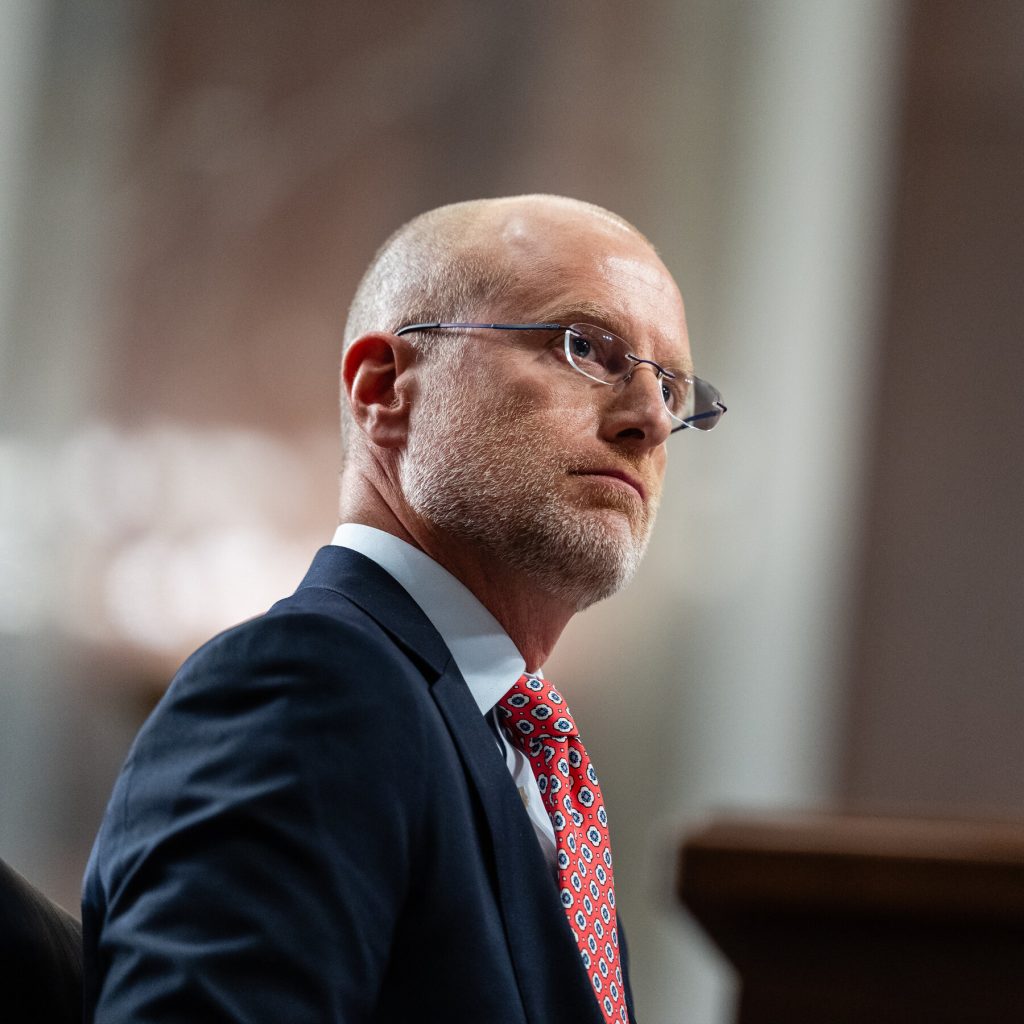
Brendan Carr, a Republican member of the Federal Communications Commission (FCC), publicly declared that the agency “isn’t independent” in a recent interview. His remarks have ignited a fresh debate among lawmakers about the extent to which President Donald Trump could leverage the FCC to advance his policy agenda.
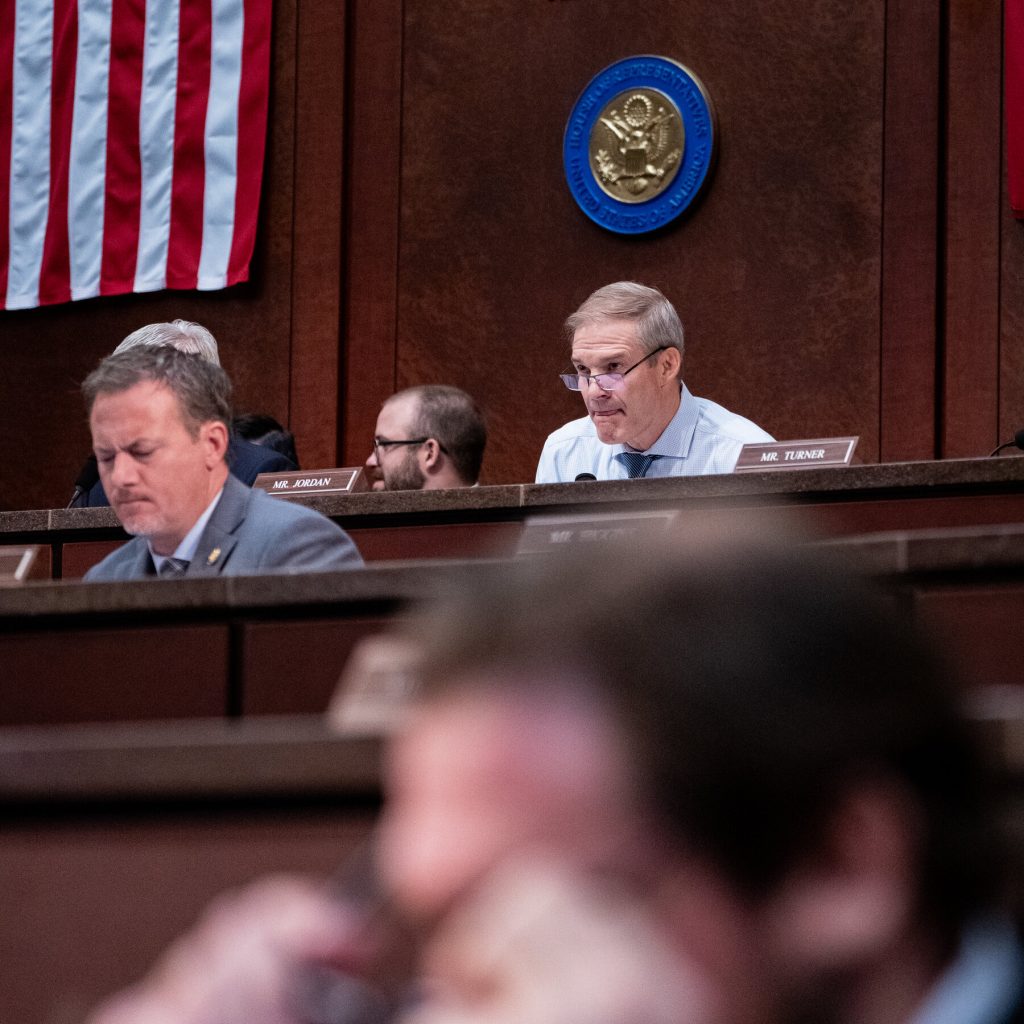
During a Senate hearing on telecommunications policy, Carr suggested that the FCC’s decision‑making processes are heavily influenced by the executive branch. He pointed to recent appointments and policy shifts that, in his view, align closely with the administration’s priorities.
Democratic senators expressed alarm at Carr’s assessment, warning that a “politicized” FCC could undermine the agency’s core mission of safeguarding a fair and open communications landscape. Sen. Maria Cantwell (D‑WA) remarked, “An independent FCC is essential to protect consumers, broadcasters, and the public interest from political interference.”
Republican leaders, while acknowledging Carr’s concerns, cautioned against overstating the administration’s control. Sen. John Cornyn (R‑TX) noted, “We must ensure the FCC can function effectively, but we also need to respect the President’s constitutional authority over the executive branch.”
If the FCC were to become more directly aligned with the Trump administration, several policy areas could see significant changes, including:
The controversy surrounding Carr’s comments is likely to shape upcoming confirmation hearings for new FCC commissioners. Both parties are expected to scrutinize nominees’ commitments to maintaining the agency’s independence.
As the debate unfolds, stakeholders from the telecommunications industry, consumer advocacy groups, and the public will be watching closely to see whether the FCC can preserve its autonomy amid mounting political pressure.