Aydın,
1°C
açık

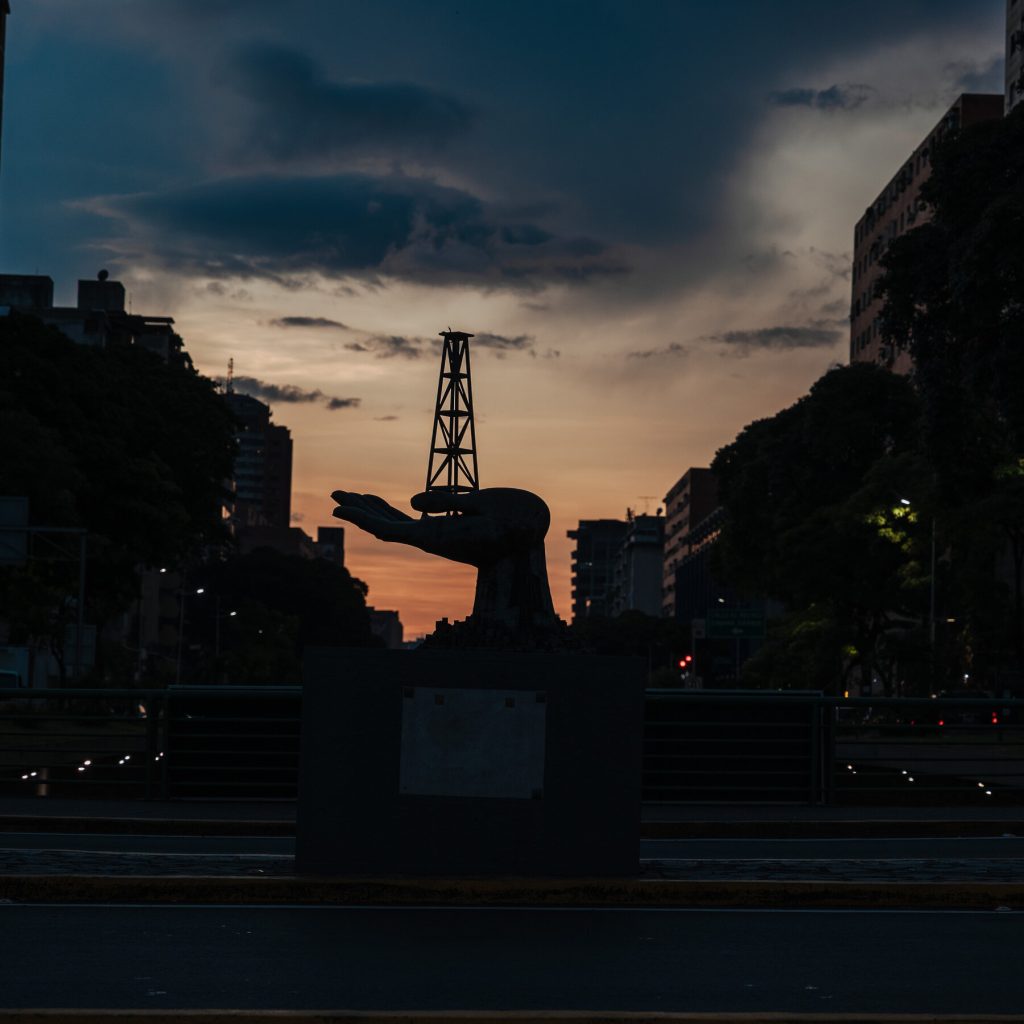
In early 2024, the United States administration under President Donald Trump renegotiated a long‑standing contract between Chevron and the Venezuelan government. The revision lifted several sanctions, allowing the American oil giant to resume limited production in the Petro‑Carabobo field while granting the Venezuelan state a larger share of future revenues.
A company called Oceanic Trade Ltd., controlled by entrepreneur José Martínez, emerged as the primary buyer of the oil extracted under the new terms. Martínez is known for his close ties to President Nicolás Maduro and for owning the vessel MV Libertad, which was seized earlier this year while transporting Venezuelan crude through the Caribbean.
According to industry sources, Oceanic Trade has already purchased over 5 million barrels of crude from the Chevron‑operated field. The shipments have been dispatched to refineries in the United States, Europe, and the Middle East, generating substantial profit margins for Martínez’s firm.
The deal highlights a paradox in U.S. foreign‑policy: while sanctions aim to pressure the Maduro regime, the revised arrangement has inadvertently opened a channel for a Maduro‑aligned trader to benefit financially from the very resources the sanctions sought to restrict. Critics argue that the move undermines the effectiveness of the sanctions regime and could embolden other sanctioned entities to seek loopholes.
Congressional leaders have called for a review of the agreement, urging the administration to tighten oversight and ensure that any future oil sales do not funnel profits back to the Venezuelan government or its affiliates. Meanwhile, human‑rights organizations warn that increased revenue for the regime may fund further repression.