Aydın,
1°C
parçalı bulutlu

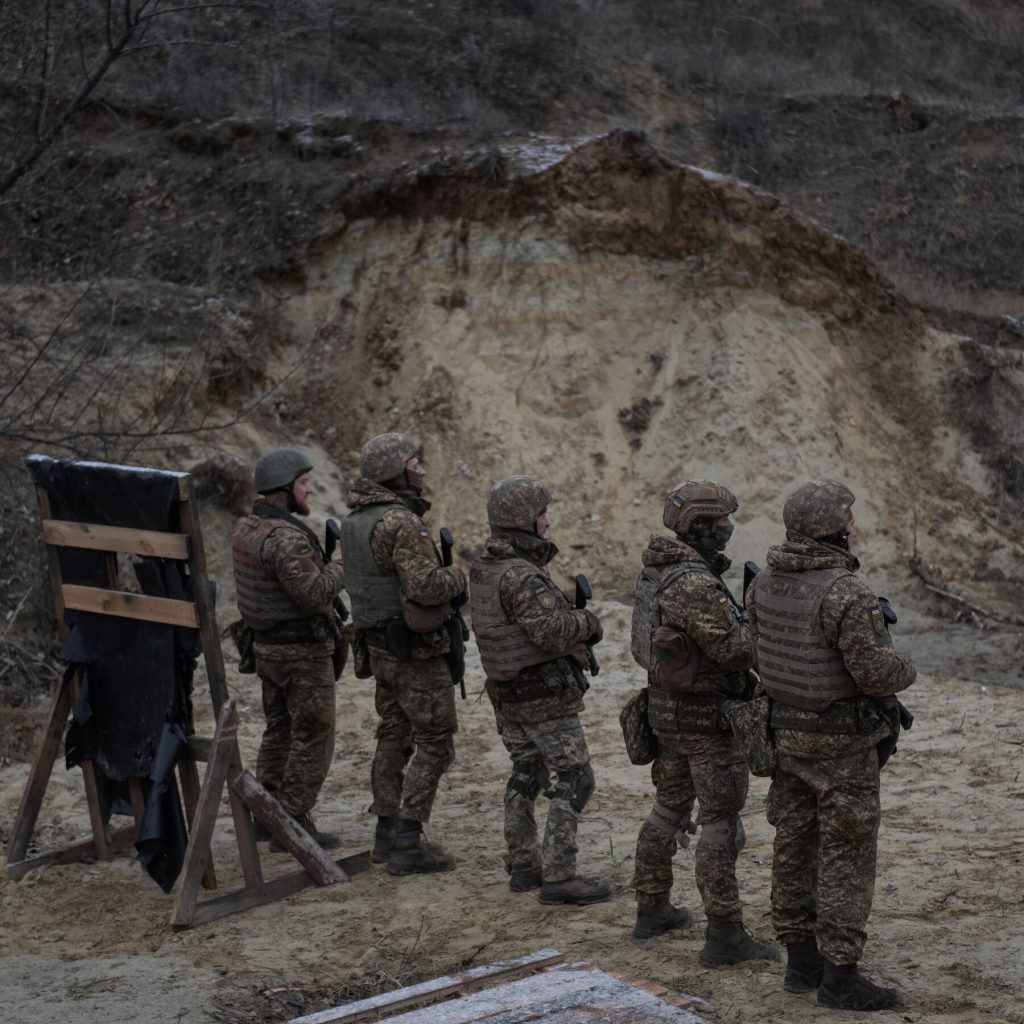
On Thursday, the European Council will gather to decide the fate of a controversial proposal aimed at financing Ukraine’s defence against Russia. The outcome will serve as a litmus test for the EU’s willingness and capacity to sustain its long‑standing support for Kyiv.
At the heart of the debate lies the question of whether to tap into the billions of euros in Russian sovereign assets that have been frozen since the invasion began. Proponents argue that unlocking these funds would provide a crucial financial lifeline for Ukraine’s war effort, while critics warn of legal complexities and potential repercussions for the European financial system.
Several member states remain skeptical, citing concerns about respecting international law and the risk of setting a precedent that could undermine confidence in the EU’s asset‑freezing mechanisms. Meanwhile, countries with strong ties to Ukraine are pushing for a swift resolution, emphasizing the moral imperative to act.
The council’s decision will signal how far Europe is prepared to go in backing Ukraine. A green light could bolster the continent’s image as a steadfast ally, whereas a deadlock might expose fractures within the union and weaken its strategic posture against Russian aggression.
As negotiations intensify, the world watches to see whether European leaders can forge a consensus that balances legal prudence with the urgent need to support Ukraine’s fight for sovereignty.