Aydın,
3°C
açık

Iran is grappling with an inflation rate that has surged past 70 % in the past year, eroding purchasing power for ordinary citizens. Prices for basic goods such as bread, rice and medicine have more than doubled, forcing many families to cut back on essential expenses. Economists warn that without decisive monetary reforms, the inflationary spiral could become entrenched.
Severe water shortages have forced authorities to impose rotational rationing in major cities, while power outages have become a nightly routine for millions. The government’s attempts to boost hydroelectric output have been hampered by drought, and aging infrastructure struggles to meet demand. As a result, businesses face frequent shutdowns, and households are left scrambling for alternative sources of heat and light.
Negotiations with the United States over a potential nuclear agreement have stalled, with both sides citing “fundamental disagreements” on sanctions relief and verification mechanisms. Analysts suggest that the lack of progress further isolates Iran economically, limiting access to foreign investment and technology that could alleviate the country’s hardships.
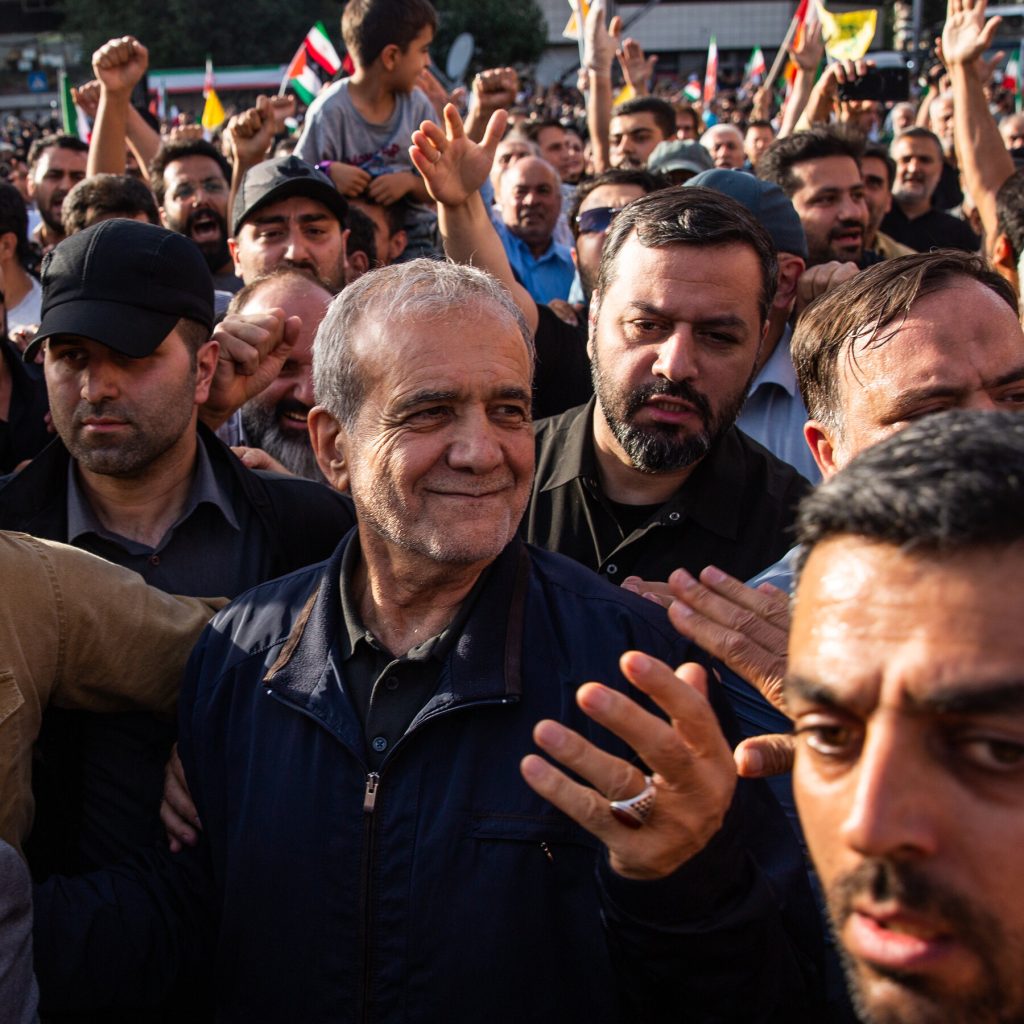
In a televised address, President Masoud Pezeshkian acknowledged the magnitude of the challenges, stating, “I cannot perform miracles. The problems we face require realistic solutions, not wishful thinking.” He called for a national dialogue involving policymakers, business leaders, and civil society to devise pragmatic measures that address inflation, resource shortages, and diplomatic deadlocks.
While the president’s frankness has been praised by some as a refreshing break from political rhetoric, critics argue that acknowledging the limits of leadership is insufficient without concrete policy steps. The coming months will test whether Iran can mobilize the political will and economic tools needed to steer the nation away from its current turmoil.