Aydın,
8°C
açık

Since 1972, giant pandas have served as living symbols of goodwill between China and Japan, embodying a bond that has endured through decades of political change. However, that cherished connection now faces uncertainty.
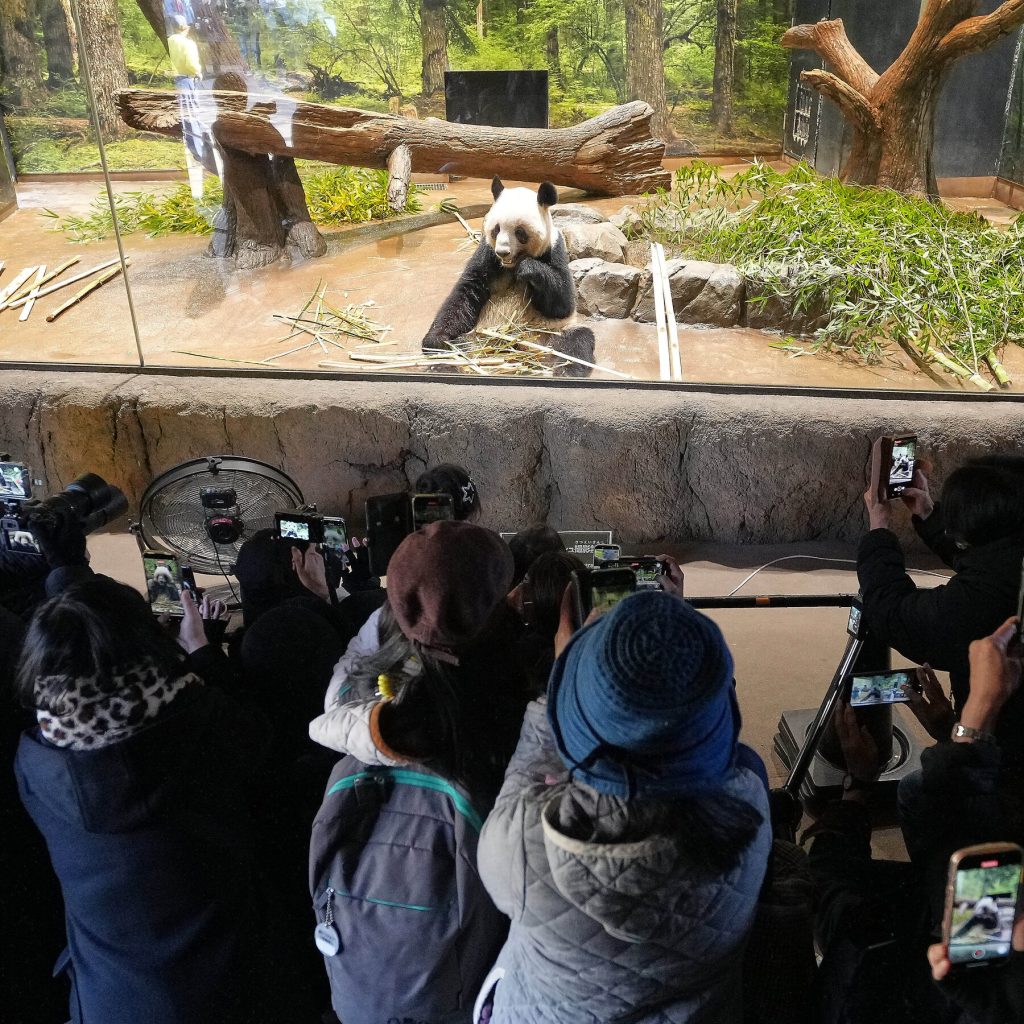
Two of Tokyo’s most adored pandas are scheduled to leave the Ueno Zoo later this year. Their impending departure has sparked a wave of concern among visitors, who worry that the animals could become entangled in the escalating diplomatic tension surrounding Taiwan.
China has long used panda loans as a form of “soft power,” offering the charismatic bears to countries that share its strategic interests. Any shift in Japan’s stance on Taiwan—whether through official statements or policy adjustments—could jeopardize future agreements, potentially halting the arrival of new pandas.
Experts note that panda diplomacy is more than a cute publicity stunt; it is a carefully calibrated instrument of foreign policy. When relations sour, China has previously recalled pandas or delayed new loans, turning a symbol of friendship into a subtle reminder of geopolitical realities.
Zoo-goers have taken to social media, sharing photos of the pandas and posting heartfelt messages. Many express hope that the animals will continue to roam the enclosures, while others call for diplomatic channels to remain open, ensuring that cultural exchanges are not caught in the crossfire of larger political disputes.
While the fate of the two pandas remains uncertain, the broader conversation highlights how even seemingly innocuous gestures—like gifting a cuddly bear—can become entangled in the complex web of international relations. For now, visitors to Ueno Zoo can only watch, hope, and cherish the moments they have left with these iconic ambassadors of peace.