Aydın,
3°C
açık

For years, major car manufacturers have relied on a network of overseas facilities to extract lead from spent automotive batteries. The cheap labor and lax regulations in some African nations made them attractive hubs for recycling, but the process left a trail of contamination that has long been ignored.
Investigations have shown that the fumes and dust generated during the smelting of battery paste contain high levels of lead, a toxin that can cause irreversible damage to the nervous system, especially in children. Local communities near the plants reported chronic health problems—from developmental delays to severe respiratory issues—yet the factories continued to operate with minimal oversight.
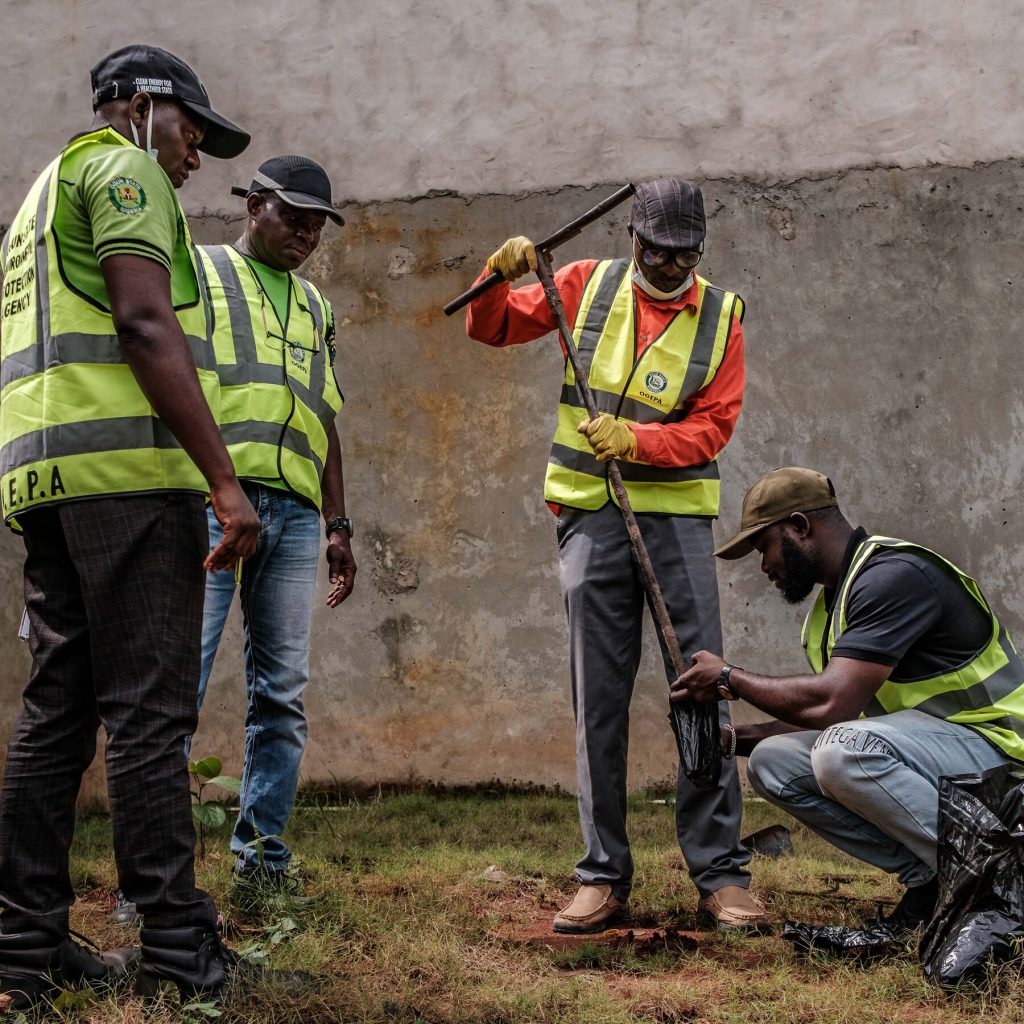
Earlier this month, Nigeria’s Ministry of Environment ordered the immediate closure of three lead‑recycling facilities that were linked to U.S. automotive suppliers. The move follows a comprehensive audit conducted by the Nigerian Environmental Protection Agency (NEPA), which documented extensive soil and water contamination in the surrounding areas.
As part of the crackdown, the government has launched a nationwide survey to map the extent of lead exposure in affected neighborhoods. Health officials will conduct blood‑lead level testing for residents, while environmental scientists will sample soil, water, and air to establish a baseline for future remediation efforts.
The shutdown sends a clear signal to the international car industry that outsourcing hazardous processes to countries with weak enforcement is no longer viable. Industry analysts predict that manufacturers will need to invest in cleaner, domestically regulated recycling technologies or face increasing scrutiny from regulators and consumer groups worldwide.
Nigeria has pledged to work with international partners to develop safer recycling methods and to provide compensation and medical support to the communities most affected. The outcome of this initiative could set a precedent for how other nations address the hidden environmental costs of the global automotive supply chain.