Aydın,
1°C
parçalı bulutlu

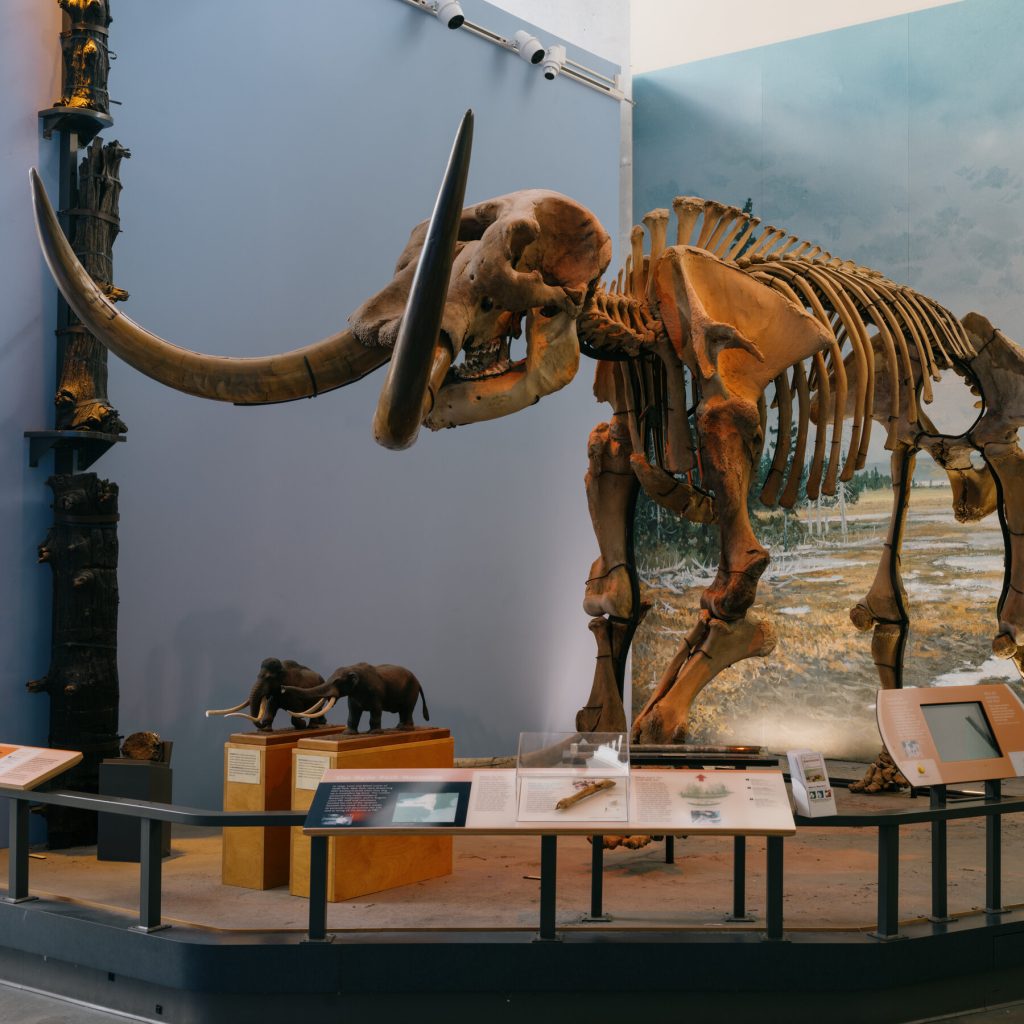
The Museum of the Earth, together with the Paleontological Research Institution (PRI) in Ithaca, New York, is confronting a severe financial crisis that could force the dispersal of irreplaceable fossils and halt nearly 100 years of groundbreaking research.
Founded in the early 20th century, the museum’s collection includes more than 150,000 specimens—from ancient trilobites and towering dinosaur bones to delicate plant fossils that chronicle Earth’s climate history. Many of these items are type specimens, the reference points for scientific classification worldwide. Losing them would not only diminish the museum’s reputation but also create a gap in the global paleontological record.
Over the past five years, state appropriations for cultural institutions have dwindled by 30 %, while operating costs—especially climate‑controlled storage and conservation staff salaries—have risen sharply. The pandemic further reduced visitor numbers, cutting ticket revenue and donor contributions at a critical time.
Faculty members from Cornell University, alumni, and local businesses have rallied to the museum’s aid. “We cannot let these treasures vanish,” said Dr. Marissa Alvarez, a senior paleontologist at PRI. “They are the keys to understanding life’s evolution and Earth’s past environments.” A petition urging the New York State Legislature to restore emergency funding has already gathered over 12,000 signatures.
The institution is exploring several avenues:
If immediate financial relief is secured, the Museum of the Earth and PRI plan to continue their long‑standing research programs, which have yielded over 200 peer‑reviewed papers in the last decade. Without it, the scientific community risks losing a unique window into Earth’s deep past.
Key takeaway: The fate of this iconic institution now hinges on swift action from policymakers, donors, and the public to prevent an irreplaceable loss for both science and heritage.