Aydın,
1°C
açık

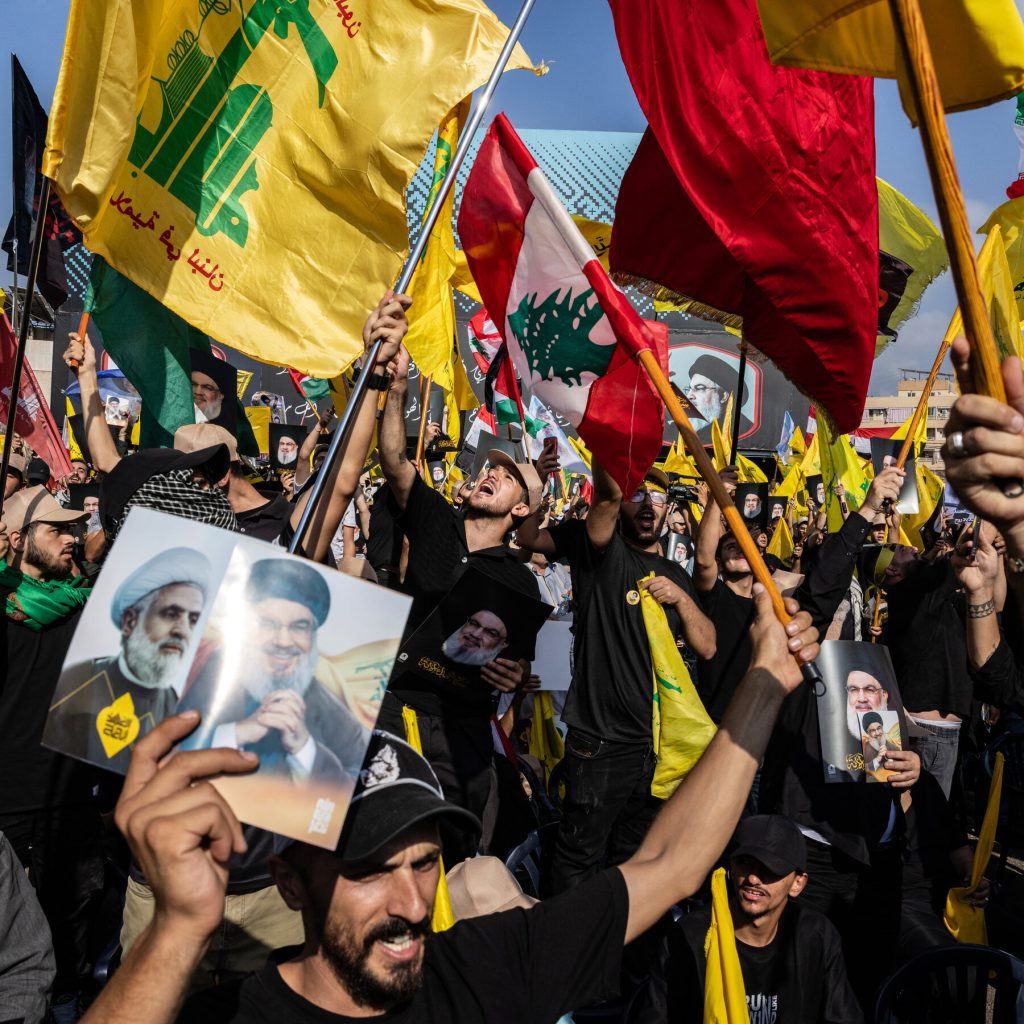
Since its emergence in the early 1980s, Hezbollah has grown from a small militia into a powerful political and military force in Lebanon. Backed by Iran and seasoned by decades of conflict with Israel, the group now controls significant portions of the country’s southern border, the Beirut suburbs, and holds several seats in parliament.
In recent months, both domestic reformers and international actors have intensified calls for the group to relinquish all weapons. The Lebanese government, under pressure from the United Nations and the European Union, has pledged to pursue a “comprehensive disarmament plan” as a pre‑condition for unlocking much‑needed economic aid.
Pro‑reform politicians argue that Hezbollah’s arsenal is a “major obstacle to national sovereignty” and a “source of perpetual instability.” Meanwhile, Israel’s defense establishment repeatedly warns that the militia’s firepower poses an “existential threat” to regional peace.
Hezbollah has publicly rejected the demand to lay down its arms, stating that its weapons are “essential for defending Lebanon against Israeli aggression.” In a recent televised address, the group’s leader declared:
“We will not surrender our right to self‑defence, nor will we allow external powers to dictate the security of our nation.”
The organization also emphasized that any disarmament must be “reciprocal” – meaning that Israel would have to halt all hostile activities and withdraw from disputed territories before Hezbollah considers any reduction of its forces.
The standoff raises the spectre of a renewed conflict with Israel. Analysts warn that if negotiations collapse, border skirmishes could quickly escalate into a larger war, drawing in regional powers and further crippling Lebanon’s fragile economy.
Within Lebanon, the debate deepens existing sectarian divides. While many Sunni and Christian leaders support disarmament, Shia communities view Hezbollah as a protector against external threats. The resulting polarization threatens to stall the formation of a stable government, which is already struggling to meet the deadlines set by international creditors.
For now, Hezbollah remains a formidable force, capable of influencing both politics and security in Lebanon. The group’s refusal to disarm signals that any lasting solution will require a delicate balance of diplomatic pressure, security guarantees, and economic incentives.
International observers stress that a “gradual, confidence‑building approach” – including monitored arms reductions and verified cease‑fire arrangements – may be the only viable path to prevent Lebanon from sliding back into open warfare.