Aydın,
3°C
açık

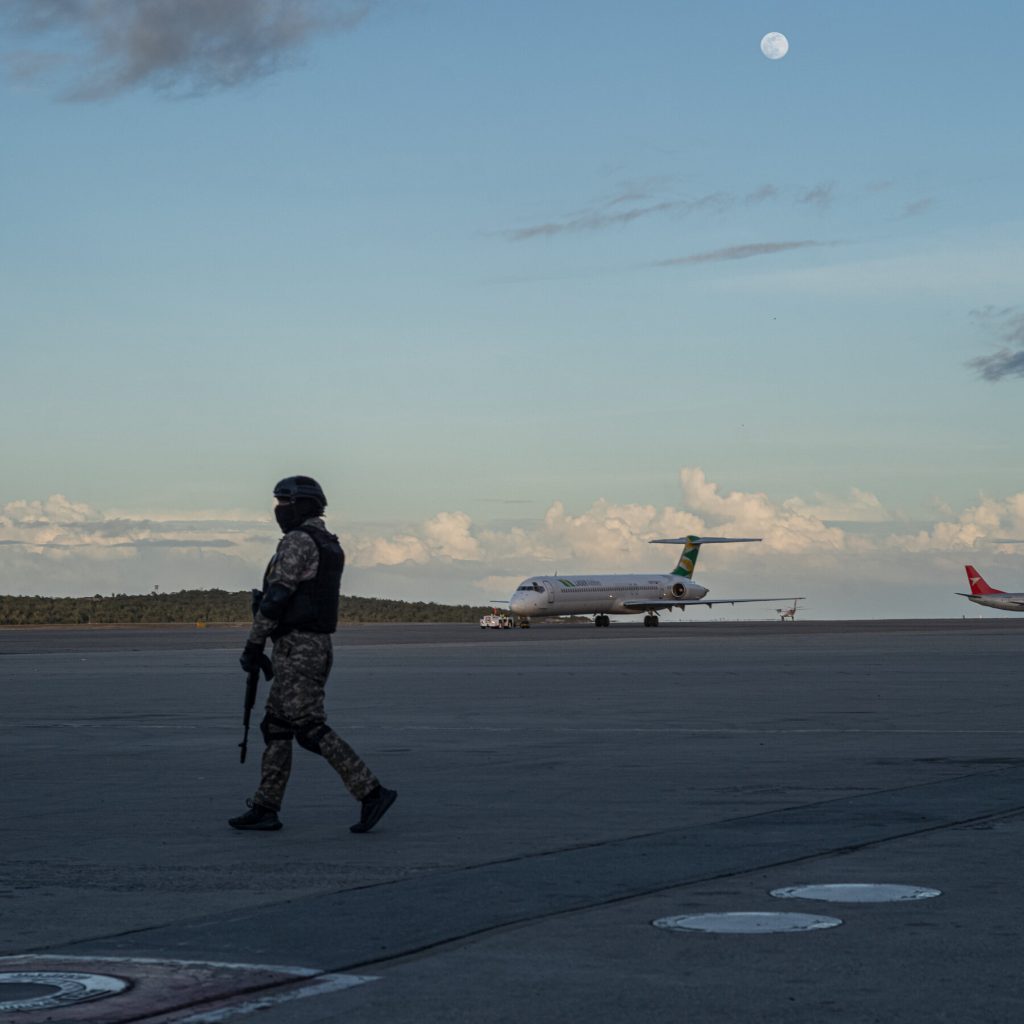
In a dramatic turn of regional hostilities, the United States and Venezuela have begun jamming GPS signals across large swaths of the Caribbean Sea. Both governments claim the moves are intended to prevent hostile incursions and protect critical infrastructure, but the interference is creating serious safety concerns for commercial and private aircraft.
According to senior officials in Washington, the decision follows a series of unverified intelligence reports suggesting that hostile actors could use satellite navigation to launch missile strikes against U.S. installations in the region. “We cannot afford a blind spot in our defensive perimeter,” one Pentagon spokesperson said, emphasizing the need for a pre‑emptive electronic shield.
Meanwhile, the Maduro administration in Caracas has justified its own jamming operations as a necessary measure to block what it calls “imperialist surveillance drones” that threaten Venezuelan sovereignty. “Our airspace must remain free from foreign intrusion,” declared a Venezuelan defense minister during a televised briefing.
The overlapping jamming zones have disrupted the reliability of the Global Positioning System for airlines that fly over or near the Caribbean. Pilots report intermittent loss of navigation data, forcing many flights to revert to older, less precise radio‑beacon procedures. The International Civil Aviation Organization (ICAO) has issued a warning that the situation could lead to increased risk of mid‑air collisions or runway overruns.
“We are seeing aircraft that must climb higher or take longer routes to stay clear of the affected airspace,” said Maria Torres, a senior analyst at the Aviation Safety Institute. “The added fuel burn and delays are already costing airlines millions of dollars, and the safety margin is shrinking.”
Several Caribbean nations, including Jamaica, the Bahamas, and the Dominican Republic, have called for an urgent meeting of the Caribbean Community (CARICOM) to address the growing electronic conflict. “Our economies depend on tourism and reliable air travel,” warned Jamaican Prime Minister Andrew Holness. “We cannot let a geopolitical showdown jeopardize our citizens and visitors.”
The United Nations has urged both Washington and Caracas to halt the interference and seek a diplomatic solution. A spokesperson for the UN Office for Disarmament Affairs remarked, “Electronic warfare must be governed by clear rules of engagement to avoid unintended civilian harm.”
Experts predict that the GPS jamming could expand if either side perceives a strategic advantage, potentially pulling more countries into the electronic standoff. In the meantime, airlines are advised to monitor NOTAMs (Notice to Airmen) closely and to prepare for possible rerouting.
“The best outcome would be a rapid de‑escalation and a return to cooperative air‑traffic management,” said Torres. “Until then, pilots, passengers, and regulators must stay vigilant.”