Aydın,
8°C
açık

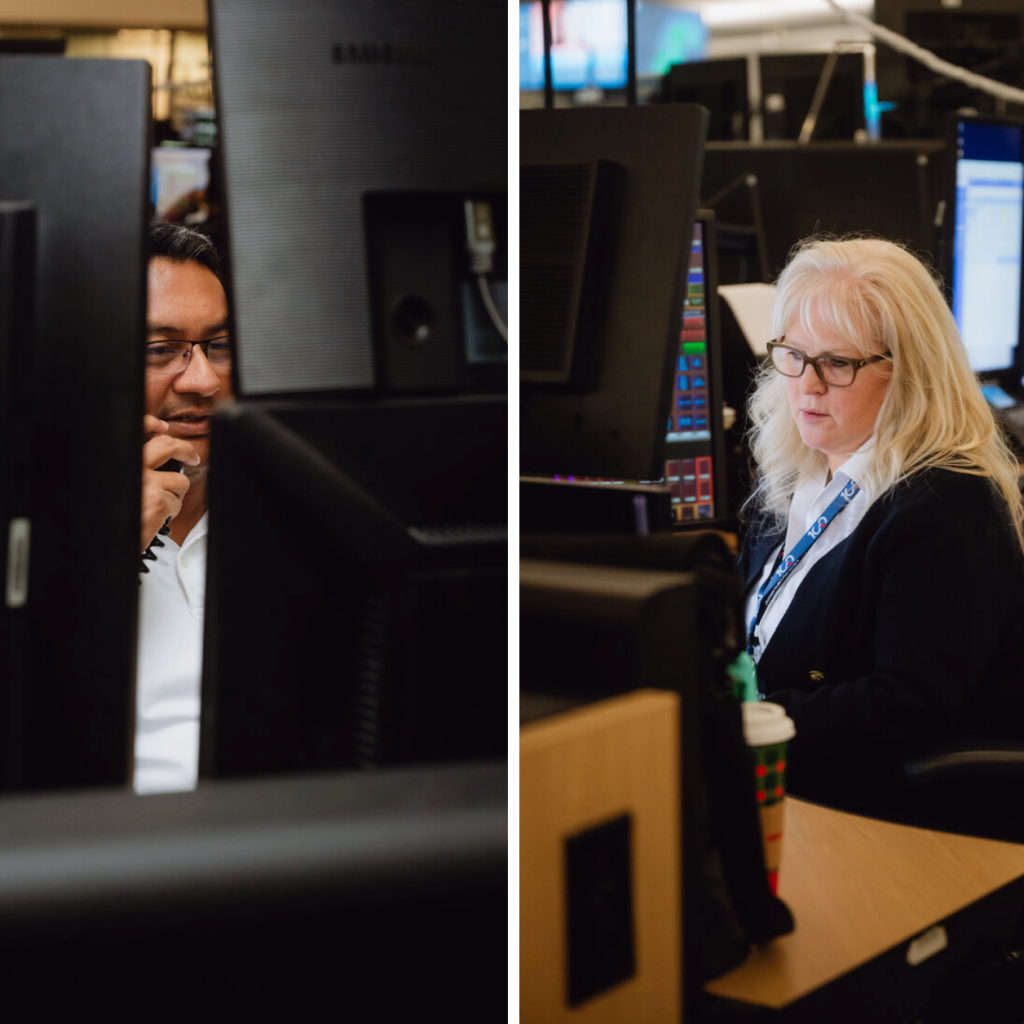
Deep inside a reinforced building in Texas, American Airlines operates a state‑of‑the‑art flight‑operations center. The facility, designed to withstand tornadoes and severe storms, houses 1,700 dedicated employees who monitor every aspect of the airline’s daily schedule.
When thunderheads gather over a major hub, the team springs into action. Using real‑time radar feeds and predictive models, they anticipate disruptions before they hit the runway. If a hurricane threatens a coastal airport, the center reroutes flights, secures aircraft on the ground, and coordinates with airport authorities to keep passengers safe.
Mechanical issues can ground an aircraft in minutes. In those moments, the operations crew works hand‑in‑hand with maintenance crews, engineers, and pilots to assess the problem, locate spare parts, and arrange for replacement aircraft. Their goal is to minimize downtime and get travelers back on schedule as quickly as possible.
Beyond planes and weather, the center’s staff is trained to handle a wide range of passenger needs. From medical emergencies to family reunifications, they coordinate with airport medical teams, provide accommodation vouchers, and ensure that affected travelers receive timely updates. Their motto: “Every passenger matters, even when the sky isn’t clear.”
Every decision is a collaborative effort. Controllers, dispatchers, customer‑service agents, and data analysts share a single digital platform, allowing them to see the ripple effects of each change instantly. This integrated approach enables the team to respond to disruptions with speed and precision, turning potential chaos into organized solutions.
As climate change brings more extreme weather and technology advances at a rapid pace, American Airlines’ operations center continues to evolve. Investments in artificial intelligence, predictive analytics, and resilient infrastructure ensure that, no matter what goes wrong, there’s a dedicated group ready to take charge.