Aydın,
8°C
açık

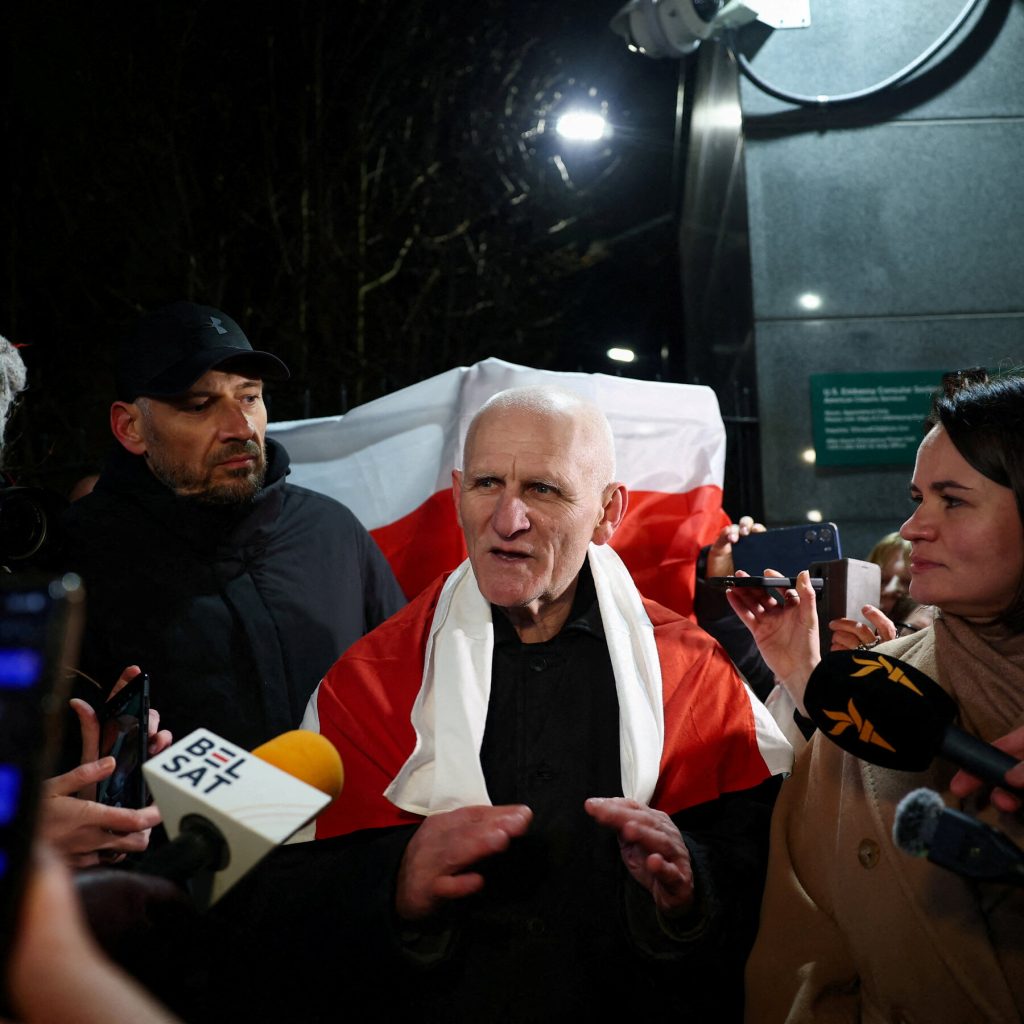
Ales Bialiatski, the Belarusian activist who shared the 2022 Nobel Peace Prize, was released from a high‑security prison earlier this month. The 58‑year‑old described the months he spent behind bars as a relentless battle of “back‑breaking work and endless hours of solitude.”
According to Bialiatski, the daily routine in the detention center was grueling: he was forced to perform physically demanding tasks from dawn until dusk, often in cramped, poorly ventilated cells. The lack of fresh air led him to experience what he calls “oxygen intoxication,” a sensation of dizziness and breathlessness caused by the stale, recycled atmosphere.
In addition to the physical strain, Bialiatski endured prolonged periods of solitary confinement. He recounted being isolated for up to 23 hours a day, with only a thin mattress and a single dim light to mark the passage of time. “The walls seemed to close in on me,” he said, “and every minute felt like an eternity.”
Despite these hardships, the Nobel laureate remained steadfast in his commitment to civil society. He highlighted the importance of the work carried out by the Viasna Human Rights Centre, the organization he founded, which continues to document abuses and support victims of repression across Belarus.
International observers and human‑rights groups have welcomed Bialiatski’s release, calling it a “small but significant victory” in the broader struggle for freedom of expression in the country. However, they warn that many other political prisoners remain detained under similarly harsh conditions.
Looking ahead, Bialiatski expressed a cautious optimism. “Freedom is a fragile gift,” he noted, “and we must protect it with every breath we take.”