Aydın,
-4°C
açık

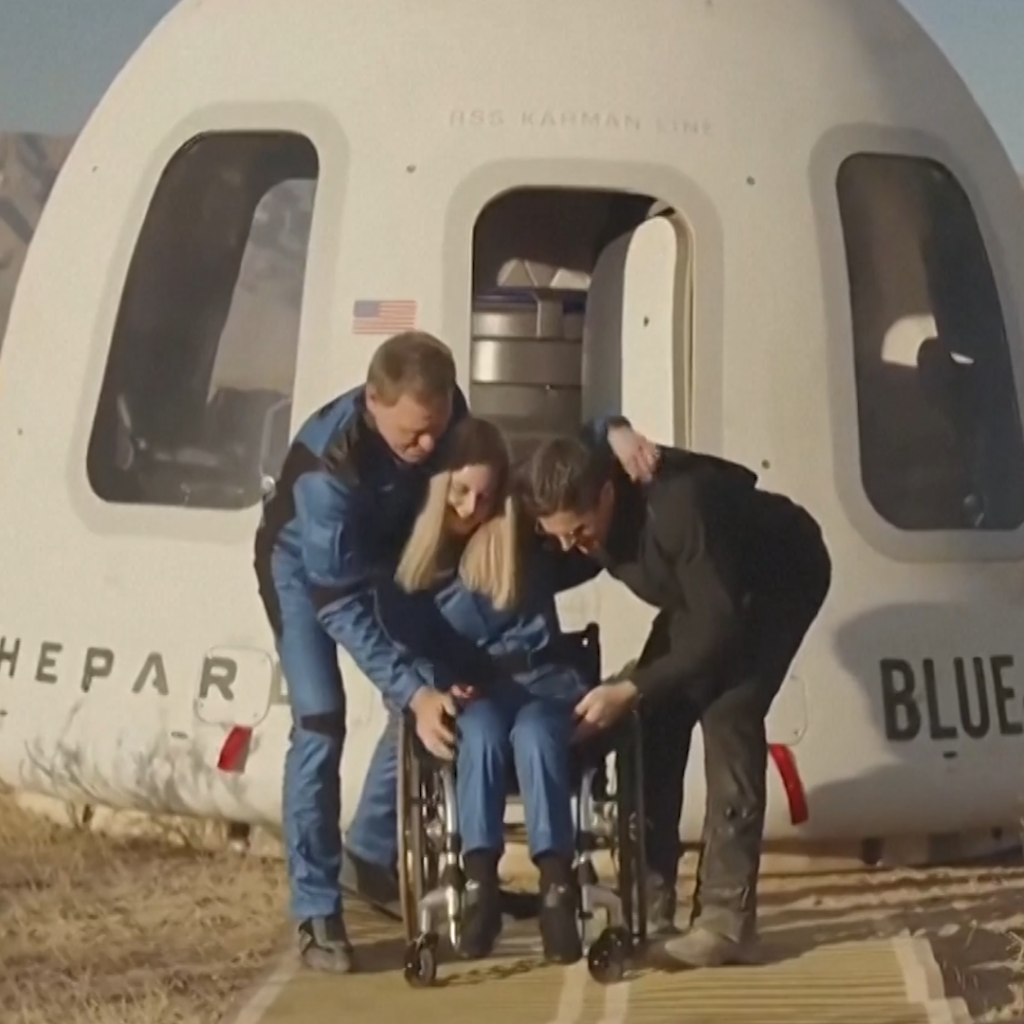
In a landmark achievement for accessibility and aerospace, a paraplegic engineer became the first wheelchair‑bound passenger to embark on a short‑duration flight to space. The historic journey took place aboard Blue Origin, the private spaceflight company founded by Jeff Bezos.
The engineer, who works in the field of propulsion systems, joined a four‑person crew on the New Shepard vehicle. The rocket lifted off from the company’s launch site in West Texas, soaring to an altitude of about 100 kilometers—crossing the internationally recognized Kármán line that defines the boundary of space.
Blue Origin worked closely with the astronaut’s medical team to adapt the capsule’s interior, ensuring safe entry, secure seating, and a comfortable environment for the wheelchair user. Modifications included a custom‑fit harness, a removable seat‑back, and specialized life‑support connections.
This flight demonstrates that space tourism can be inclusive, opening the final frontier to people with mobility challenges. Industry experts say the success paves the way for more adaptive designs, potentially allowing a broader spectrum of passengers to experience microgravity.
The engineer expressed excitement about the experience, noting that the brief few minutes of weightlessness felt “like a dream finally becoming reality.” As commercial spaceflight continues to expand, the hope is that accessibility will become a standard consideration, not an exception.