Aydın,
8°C
açık

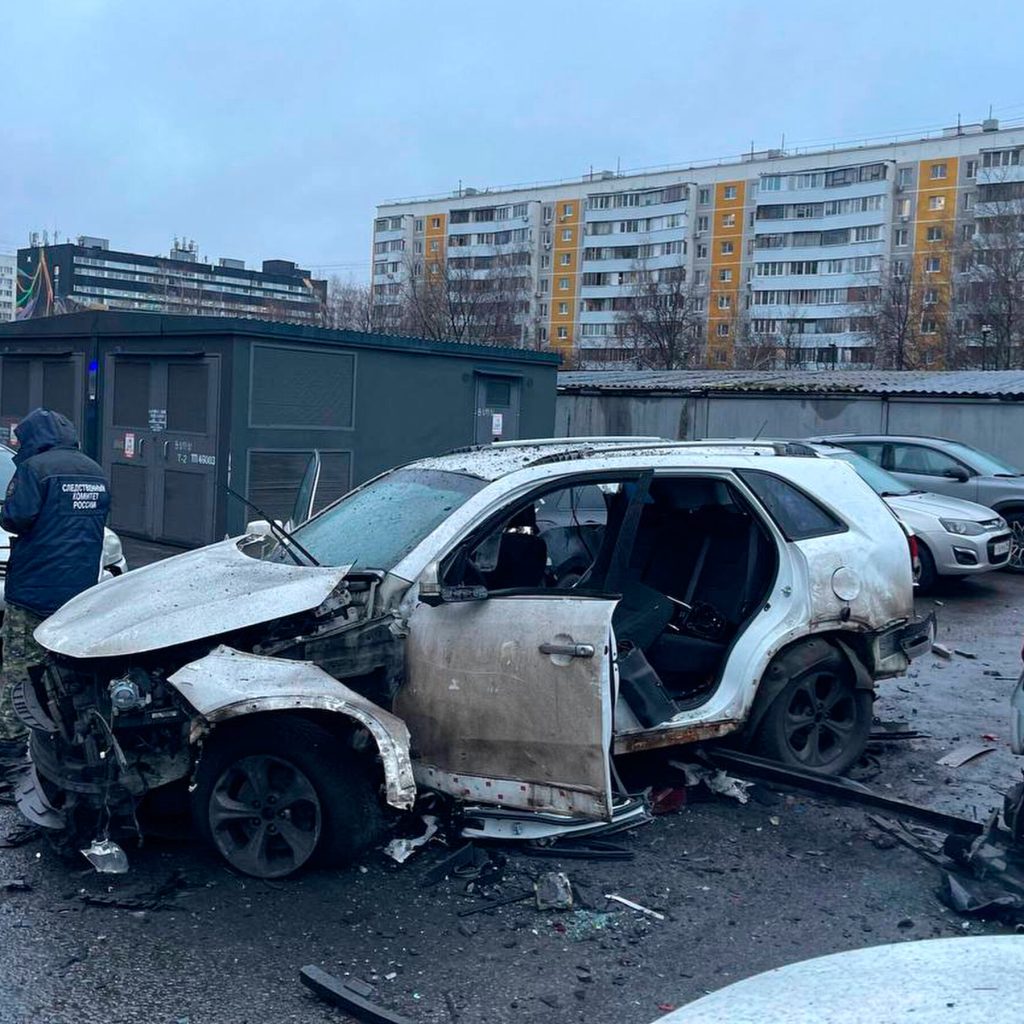
On a quiet Moscow morning, a high‑ranking Russian army officer was killed when a car bomb detonated as he entered his vehicle near the Rublyovskoye district. The explosion, which shattered nearby windows and sent debris scattering onto the street, left the general dead on the scene and injured several passersby.
According to the Russian Ministry of Defense, the officer—identified as Major General Sergei Ivanov, commander of the 2nd Guards Motor Rifle Division—was on his way to a routine briefing when the device exploded. Authorities have launched a full‑scale investigation, but have not yet disclosed any suspects or motives.
Security officials describe the incident as a premeditated assassination, noting that the bomb was expertly placed under the vehicle’s chassis and timed to detonate as the engine started. “This is a clear act of targeted violence against a senior member of our armed forces,” said Colonel Alexei Morozov, a spokesperson for the Federal Security Service (FSB).
Reactions from the Kremlin were swift. President Vladimir Putin condemned the attack, calling it “a heinous act aimed at destabilising our nation” and promising that “those responsible will be brought to justice.” He also ordered an immediate review of security protocols for all high‑ranking officials.
The bombing follows a series of similar attacks on Russian officials over the past year, raising concerns about a possible coordinated campaign. Analysts suggest that the motive could range from internal power struggles to external sabotage, but definitive conclusions remain elusive.
Public sentiment in Moscow is a mixture of shock and anger. Residents near the blast site reported hearing a “loud bang” followed by a “cloud of smoke,” and many have expressed fear for their own safety in the capital.
As the investigation continues, the Russian government has pledged to increase protective measures for military leaders and to intensify counter‑intelligence operations across the country.