Aydın,
1°C
açık

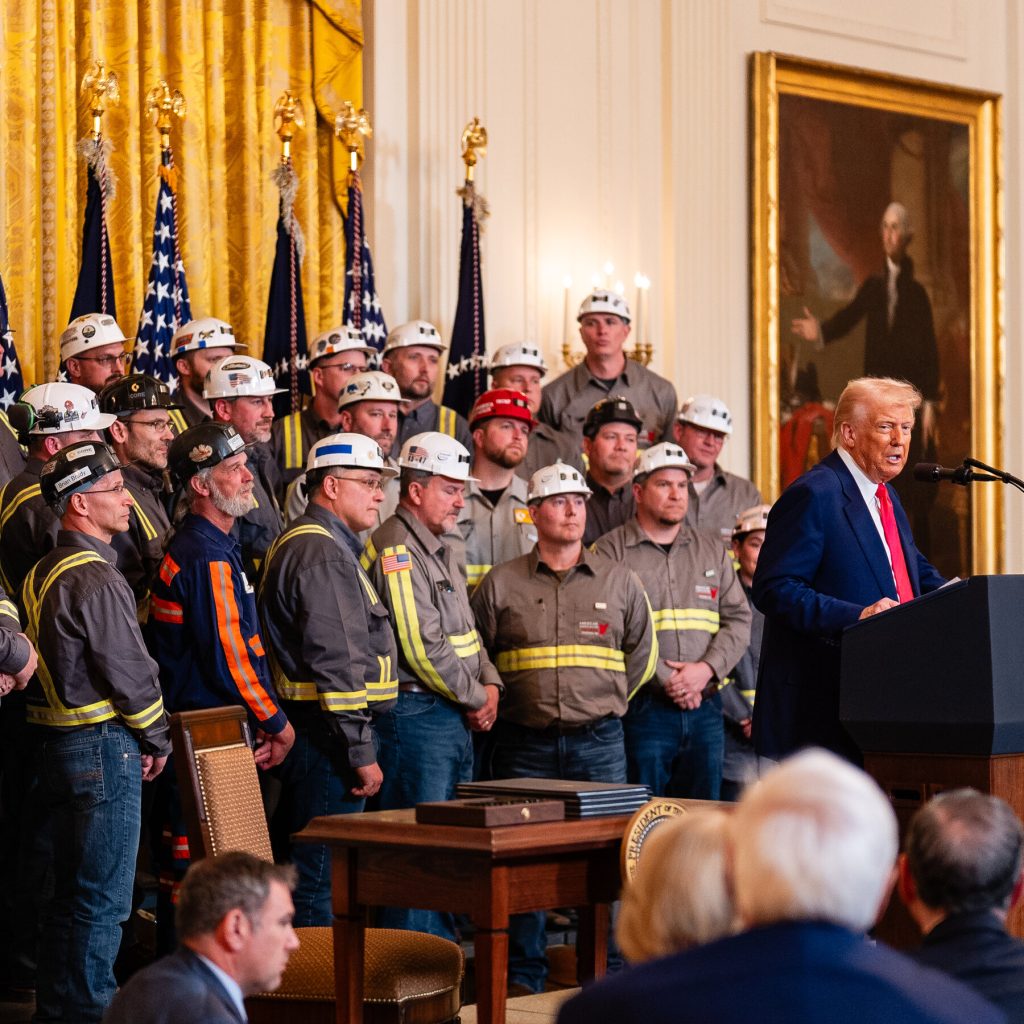
In just twelve months, the Trump administration has launched a series of policy shifts that are redefining the United States’ energy landscape. Coal‑fired power plants are facing accelerated retirement schedules, with several states receiving federal incentives to de‑commission aging units ahead of original timelines. The move reflects a broader strategy to reduce reliance on what officials label “obsolete” fossil‑fuel infrastructure while promoting domestic energy production.
At the same time, the administration has rolled out a “America First” energy agenda that encourages expanded drilling on federal lands and offshore sites. Simultaneously, the Department of Energy announced increased funding for next‑generation solar and wind technologies, arguing that a diversified energy mix will enhance national security and create jobs.
Regulatory agencies are undergoing a rapid transformation. The Environmental Protection Agency (EPA) has begun revising the Clean Power Plan, replacing it with a more flexible framework that gives states greater leeway to set their own emissions targets. Critics claim the changes could weaken long‑term climate goals, while supporters argue they restore “economic balance” to the energy sector.
Beyond domestic borders, the United States has taken a proactive stance in global negotiations over maritime greenhouse‑gas emissions. Trump’s team has pushed for a revised International Maritime Organization (IMO) agreement that emphasizes technology‑driven solutions rather than mandatory caps. The approach aims to protect U.S. shipping interests while still acknowledging the need for greener practices at sea.
These policy adjustments have sparked a heated debate about America’s role in the fight against climate change. While the administration touts its efforts to streamline regulation and stimulate economic growth, environmental groups warn that the rapid rollout of deregulation could undermine decades of progress on carbon reduction.
As the first year concludes, the trajectory of U.S. energy and climate policy remains uncertain. Stakeholders from industry, state governments, and environmental advocates are watching closely to see whether the current momentum will translate into lasting structural change or prompt a recalibration in the next administration.