Aydın,
1°C
açık

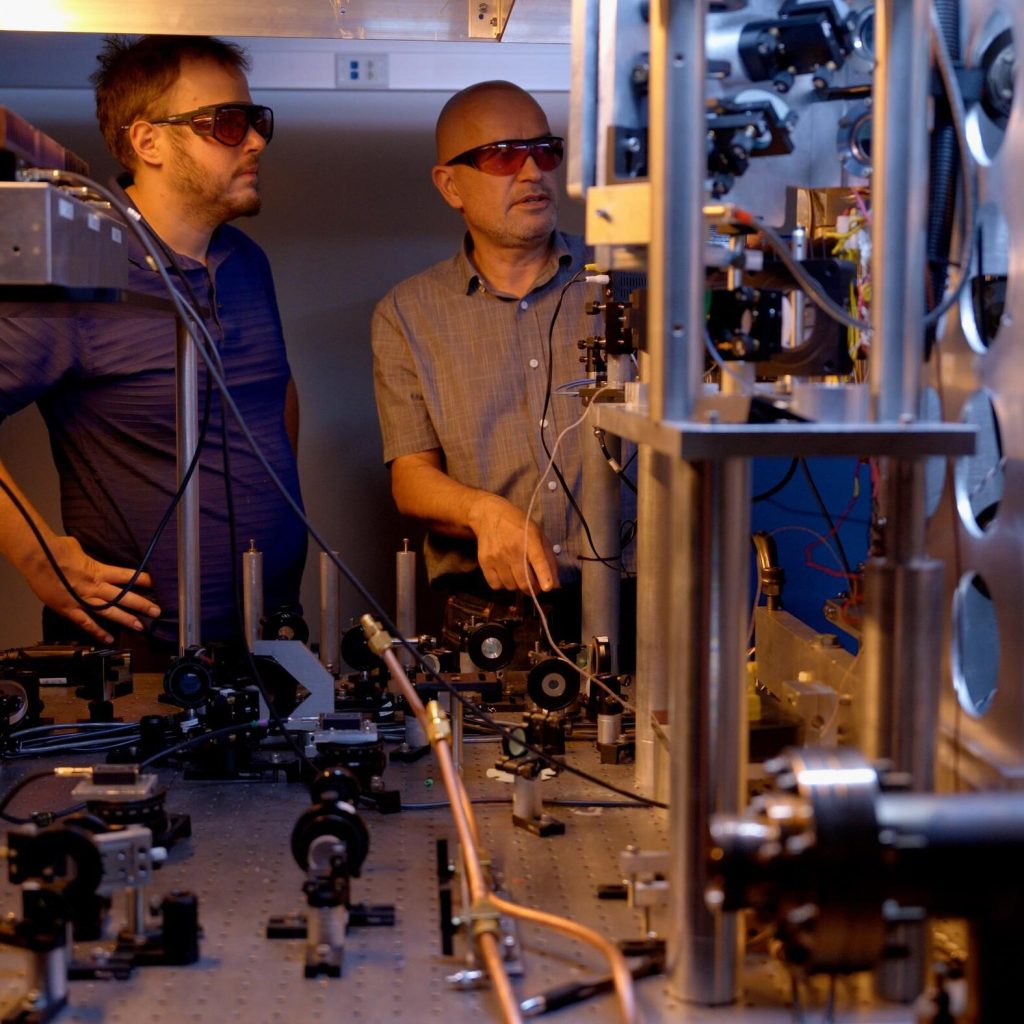
During the week of April 15–21, a handful of the most precise time‑keeping devices on the planet—hydrogen‑maser and cesium fountain clocks operated by national metrology institutes—recorded a deviation of roughly 5 × 10⁻⁶ seconds from Coordinated Universal Time (UTC). In everyday terms that offset is invisible, but for scientists who rely on sub‑nanosecond precision it is a noticeable blip.
The discrepancy was first spotted by the International Bureau of Weights and Measures (BIPM) when its routine cross‑comparison of over 400 participating clocks showed an unexpected drift in three stations located in Europe and North America. Automated algorithms flagged the outliers, prompting a rapid‑response investigation by the participating laboratories.
Atomic clocks form the backbone of modern navigation, telecommunications, and fundamental physics experiments. Even a shift of a few microseconds can affect:
Preliminary analysis points to two likely contributors:
Both issues have been corrected, and the affected clocks have been recalibrated against the global ensemble.
The incident underscores the need for constant vigilance in the maintenance of the world’s time infrastructure. Researchers are now:
While a five‑millionth‑of‑a‑second slip may seem negligible, it serves as a reminder that even the most advanced time‑keeping systems require meticulous oversight. The swift detection and correction of the error demonstrate the resilience of the global timing network, ensuring that the world’s clocks stay in lockstep for the critical applications that depend on them.