
Aydın,
-4°C
açık

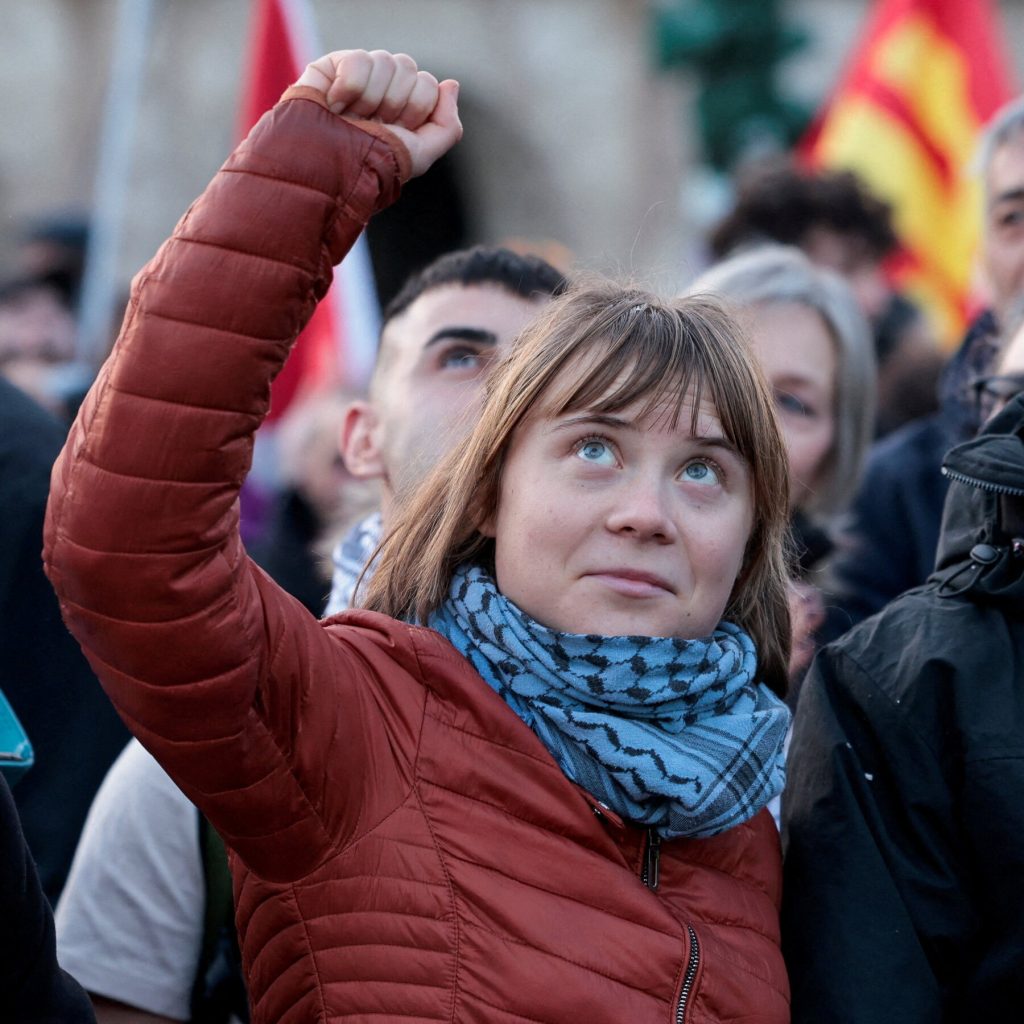
Swedish climate activist Greta Thunberg was taken into custody on Saturday after she joined a rally in London that expressed solidarity with the Palestinian movement. According to the Metropolitan Police, the sign she held featured the emblem of a group that the United Kingdom outlawed earlier this year.
Officers said the banner displayed the logo of Hamas, a designation that was added to the UK’s list of proscribed terrorist organisations in 2024. The police statement read: “Any individual displaying symbols or propaganda linked to a proscribed group will be subject to arrest under the Terrorism Act.”
Thunberg, who is best known for her climate‑change activism, has increasingly linked environmental justice to human‑rights issues. In a brief interview after her release, she said, “My fight for a sustainable future cannot be separated from the fight for peace and dignity for all peoples.”
Legal experts note that the arrest is likely to be reviewed under the Public Order Act and the Terrorism Act 2000. They also point out that similar cases have sparked debate over the balance between freedom of expression and national security.
Human‑rights organisations have called for a transparent investigation, urging authorities to consider the broader context of the protest. Amnesty International released a statement saying, “While governments have a duty to prevent extremist propaganda, they must also protect the right to peaceful protest.”
The incident has reignited discussions in Parliament about the scope of the UK’s terrorism legislation and its impact on political activism. MPs from several parties have requested a parliamentary inquiry to examine whether current laws are being applied proportionately.


Greta Thunberg’in tutuklanması çok şaşırtıcı değil. Birçok aktivist gibi o da farklı konularda sesini yükseltiyor. Hamas’ın logo’sunu taşıması ise İngiltere’de yasaklanmış bir örgüt olduğundan tutuklanmayı hak etti diyebilirim.