Aydın,
1°C
açık

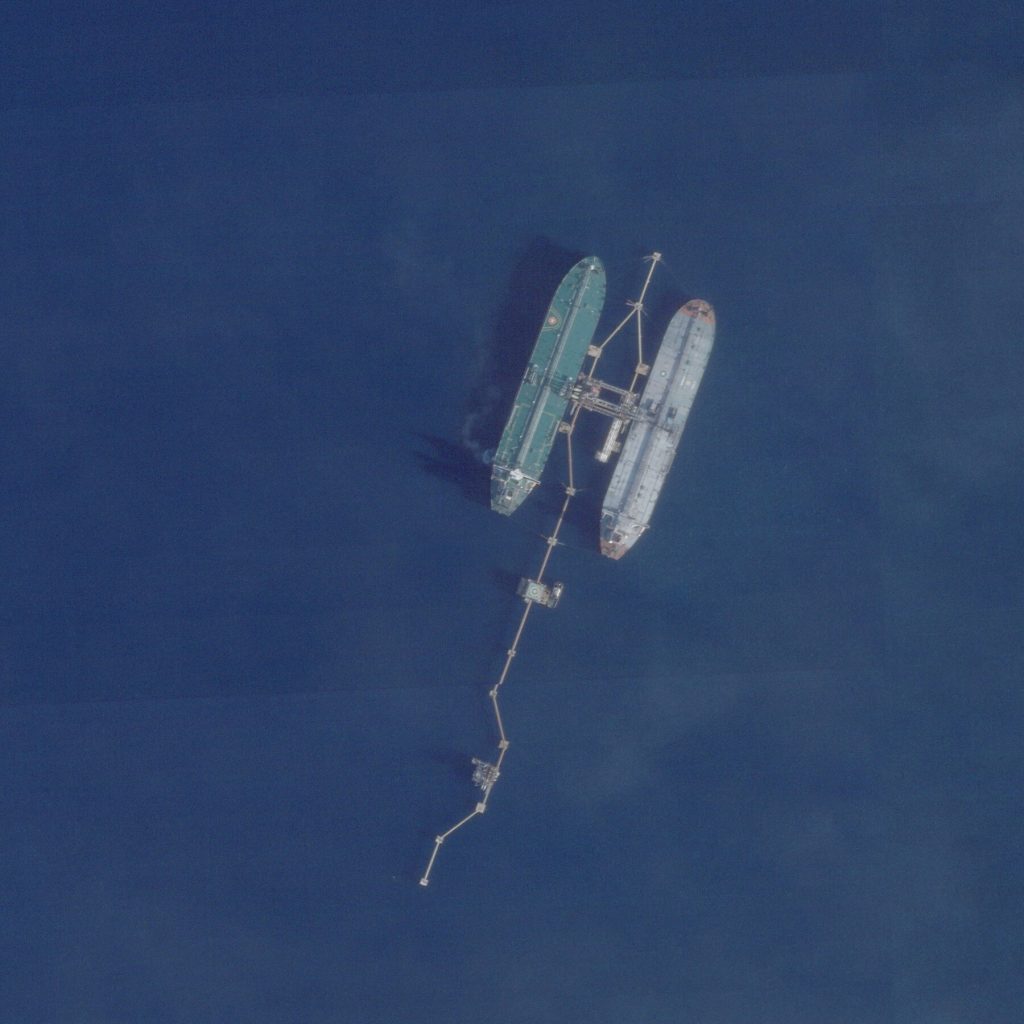
In recent weeks, the United States, under the direction of former President Donald Trump, has taken decisive steps to intercept and seize oil tankers operating near the coast of Venezuela. The moves were framed as part of a broader strategy to pressure the Maduro regime and to protect what Washington describes as “regional security interests.”
International maritime law scholars argue that the seizures set a troubling precedent that could embolden other nations to detain or commandeer foreign vessels under the guise of political objectives. “When a major power unilaterally disregards established customs of the sea, it erodes the legal framework that keeps global trade flowing smoothly,” said Dr. Elena Martínez, a professor of maritime law at the University of Barcelona.
The actions have sparked concern among shipping companies, insurers, and governments worldwide. Many fear that similar tactics could be employed in other contested waters, from the South China Sea to the Persian Gulf. “If the U.S. can justify these seizures as a response to a political crisis, other states might feel justified in doing the same for their own strategic goals,” warned James Liu, senior analyst at the Global Maritime Institute.
The Trump administration cited alleged violations of sanctions and the presence of illicit cargo as the legal basis for the seizures. However, critics point out that the evidence presented has been sparse and that the moves bypass traditional diplomatic channels. The United Nations’ International Maritime Organization (IMO) has called for a thorough review, stating that “respect for the rule of law at sea is essential for global commerce and security.”
Should the practice become normalized, shipping routes could face increased scrutiny, higher insurance premiums, and longer transit times. Companies may need to reassess risk management strategies, including rerouting vessels away from high‑tension zones. As Maria Torres, chief risk officer at Oceanic Logistics, notes, “We are entering an era where geopolitical considerations will play a far larger role in routing decisions than ever before.”
The seizure of oil tankers near Venezuela marks a pivotal moment in the intersection of politics and maritime law. While the United States aims to leverage its naval power to achieve foreign‑policy objectives, the broader international community watches closely, wary that such actions could undermine the centuries‑old customs that keep the world’s oceans open and safe for trade.