Aydın,
1°C
parçalı bulutlu

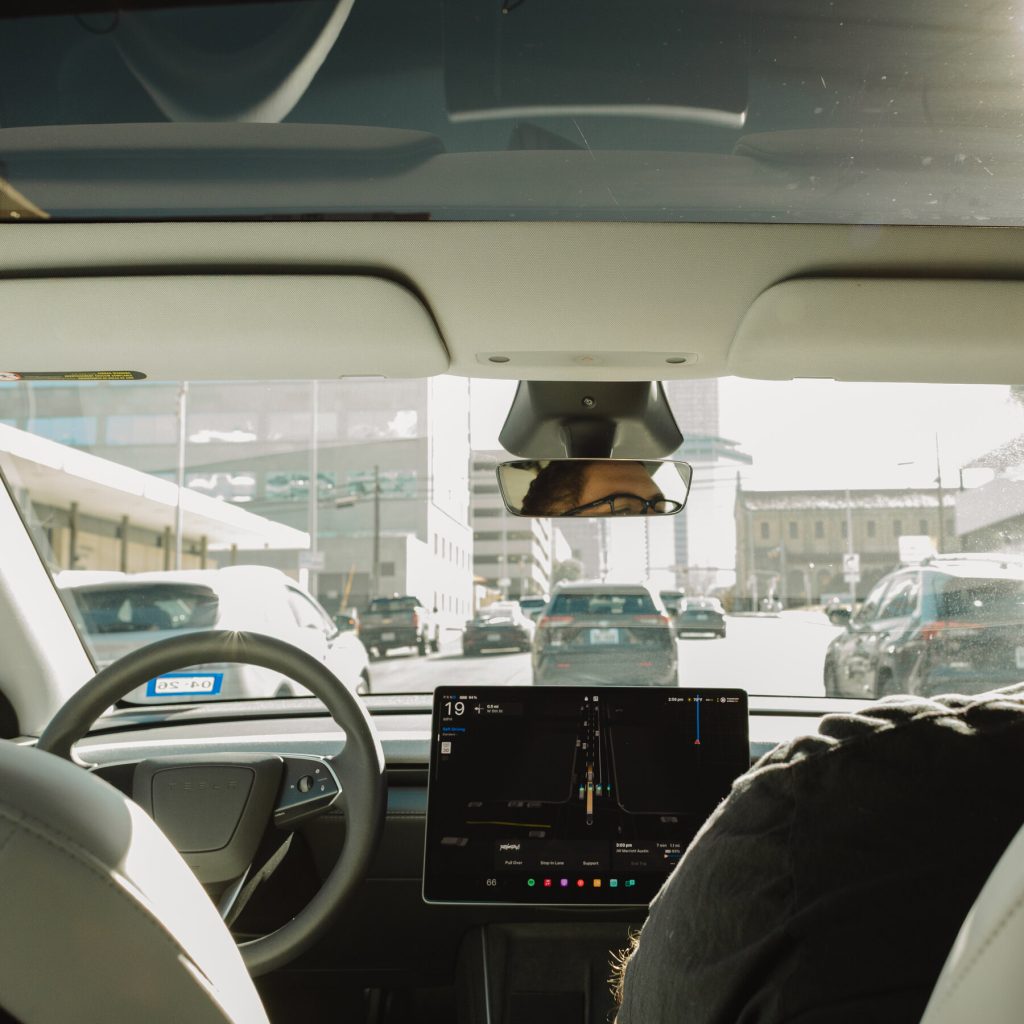
Shares of Tesla have surged to fresh record highs as investors cheer the company’s bold vision of deploying autonomous taxis at scale. The rally reflects a growing belief that Tesla’s Full Self‑Driving (FSD) software will soon power a commercial robotaxi network, promising new revenue streams beyond vehicle sales.
While the market is bullish, many industry experts caution that Tesla is still playing catch‑up to seasoned rivals. Waymo, Alphabet’s autonomous‑driving subsidiary, enjoys a substantial head start, boasting years of real‑world testing, a larger fleet of robotaxis on public roads, and a growing list of municipal partnerships.
Waymo launched its first public robotaxi service in 2020 and has since expanded to multiple U.S. cities, accumulating millions of miles of autonomous driving data. In contrast, Tesla’s beta‑tested FSD system remains limited to a small subset of drivers, and its robotaxi rollout is still confined to internal simulations and select pilot programs.
Regulators are scrutinizing both companies, but Waymo’s longer track record has earned it more leeway in securing permits. Tesla’s approach—relying on driver‑assisted beta releases—has drawn criticism from safety advocates who argue that the technology is not yet ready for fully driverless operation on public streets.
Despite the technical challenges, Wall Street remains enthusiastic. Analysts at major firms have raised price targets for Tesla, citing the potential upside of a future robotaxi revenue model that could rival traditional ride‑hailing services. However, they also note that the company’s valuation assumes a rapid and successful transition to fully autonomous fleets—a milestone that remains uncertain.
The coming months will be pivotal. Tesla plans to expand its FSD beta program, while Waymo continues to scale its commercial deployments. Investors and observers alike will be watching closely to see which company can translate laboratory successes into a viable, road‑ready robotaxi service.