Aydın,
1°C
parçalı bulutlu

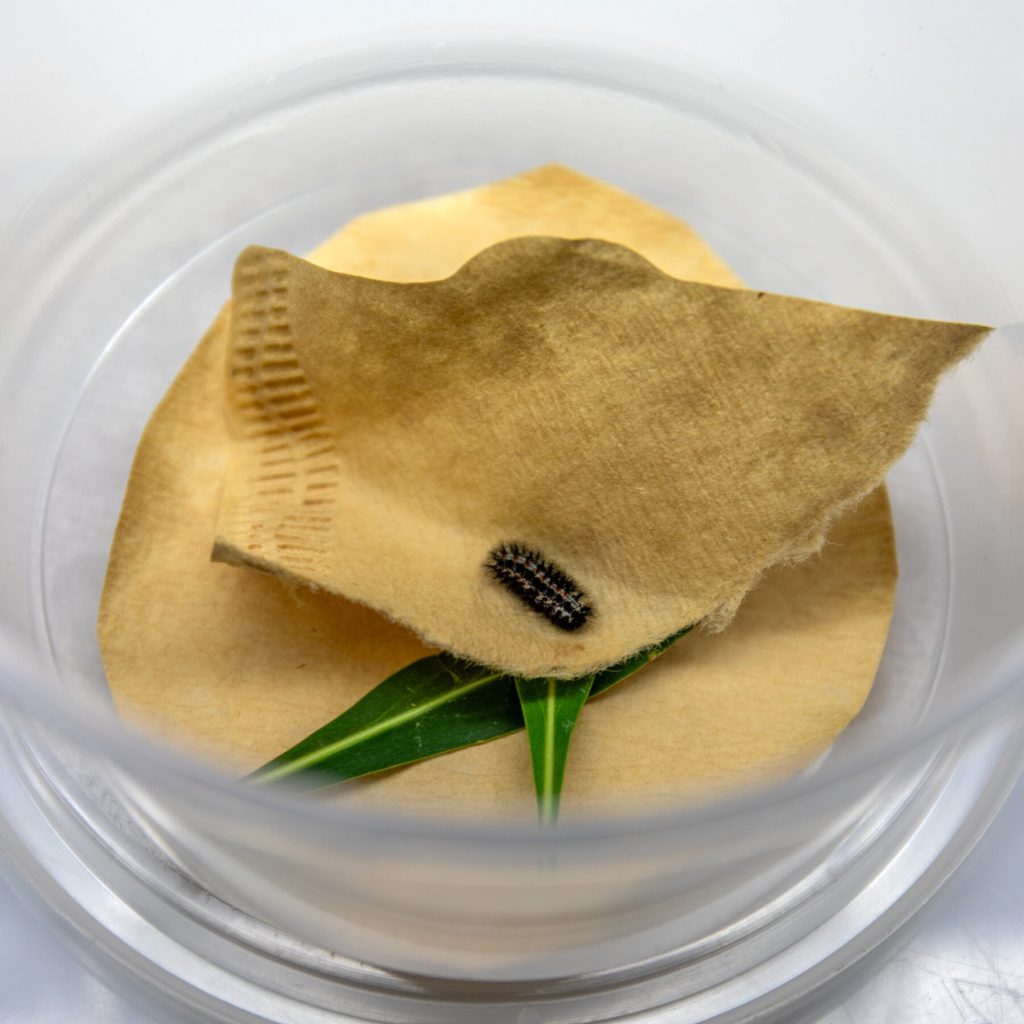
The Sacramento Mountains checkerspot butterfly (Euphydryas nevadensis sacramento) is now listed as critically endangered. Habitat loss, invasive plants, and prolonged drought have decimated its native alpine meadow, leaving the species with only a single known larva surviving in a research facility in New Mexico.
Conservation biologists from the U.S. Fish and Wildlife Service, the New Mexico Department of Game and Fish, and several university partners have launched an intensive breeding program aimed at re‑establishing a viable wild population. The lone larva, rescued from a remote ridge in the Sacramento Mountains last summer, is being reared under carefully controlled temperature and humidity conditions that mimic its historic alpine environment.
Scientists are also re‑creating the butterfly’s original habitat by removing non‑native grasses, restoring native lupines—the caterpillars’ primary food source—and installing micro‑climate shelters to buffer against extreme temperature swings. Habitat restoration and ex‑situ breeding are being pursued simultaneously, a strategy that experts say offers the best chance of long‑term survival.
“We are racing against time,” says Dr. Elena Martínez, lead entomologist on the project. “Every week that passes without a functional wild population increases the risk of permanent loss. Our goal is to release a cohort of healthy adults back into the mountains within the next two years.”
Funding for the effort comes from a coalition of federal grants, private foundations, and local community groups. Public outreach campaigns are encouraging hikers and landowners to report sightings and to help protect the fragile meadow ecosystems that support the butterfly.
If successful, the program could become a model for rescuing other isolated alpine insects facing similar threats from climate change and habitat fragmentation.