Aydın,
3°C
açık

The Environmental Protection Agency recently proposed a series of tougher limits on emissions of sulfur dioxide, particulate matter, and hazardous metals from copper‑smelting facilities. The new rules were designed to curb respiratory illnesses and reduce environmental contamination in communities located near industrial sites.
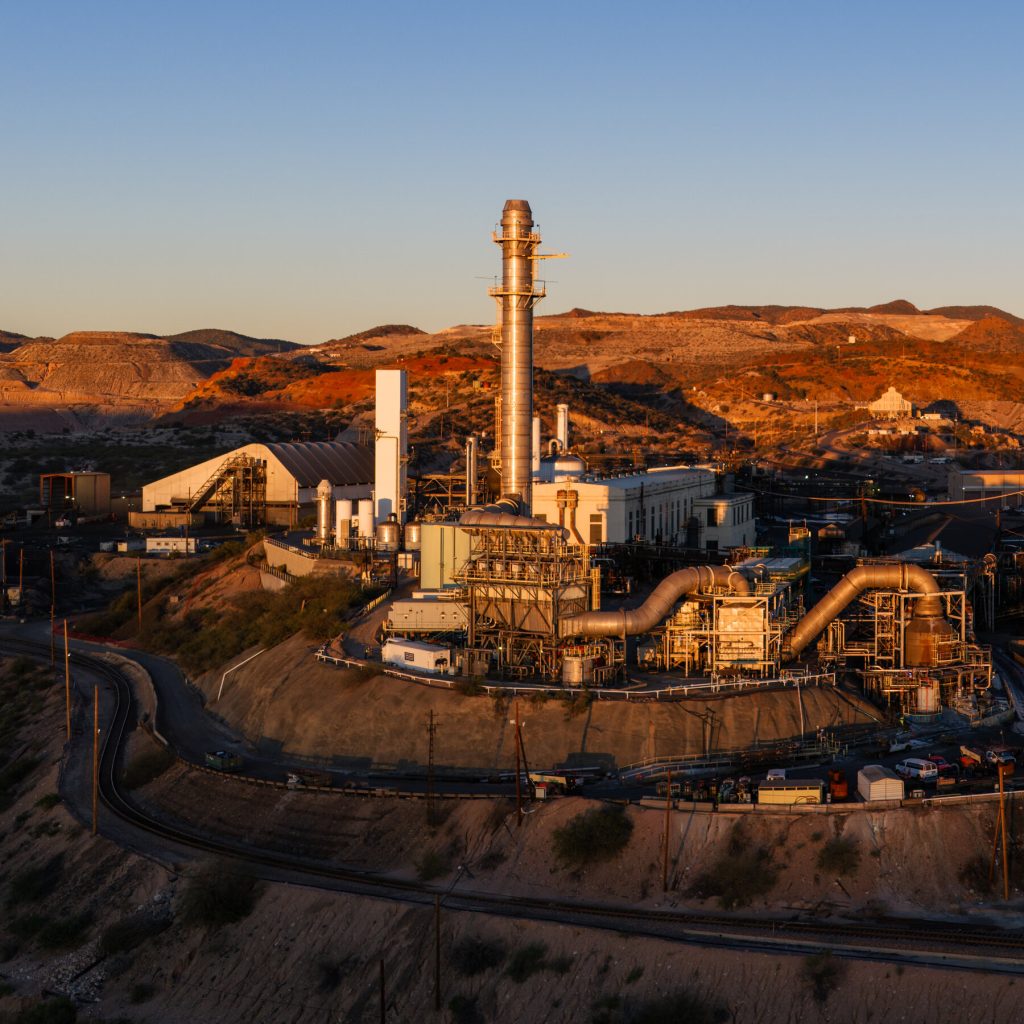
One of the plants most directly affected by the proposal is the Miami Copper Smelter, a long‑standing operation that processes ore from the nearby Morenci mine. Facing the prospect of costly upgrades, the company filed a formal request for a temporary exemption, arguing that compliance would jeopardize its financial stability and the jobs of hundreds of local workers.
According to a series of internal emails obtained by journalists, an EPA official who handled the exemption request provided detailed advice to the smelter’s legal team. The correspondence revealed the official’s suggestions on how to frame the exemption argument, which sections of the rule to emphasize, and the timing for submitting additional supporting data.
In late March, President Donald J. Trump intervened on the smelter’s behalf. Citing concerns about “unnecessary regulatory burdens” and the potential impact on the regional economy, the White House issued a directive that effectively granted the company a waiver from the newly‑proposed air‑quality standards. The exemption was granted just days after the EPA’s internal guidance was shared with the smelter’s attorneys.
Environmental groups criticized the move, calling it “a back‑door loophole that undermines decades of progress on air‑quality protection.” State officials in Arizona expressed mixed feelings: while welcoming the relief for a major employer, they also noted the importance of safeguarding public health. The EPA has indicated that the exemption is temporary and that the smelter must still pursue long‑term compliance measures.
The Miami Copper Smelter now has a limited window to operate under the exemption while it explores options for upgrading its emissions controls. Stakeholders from the community, industry, and environmental advocacy groups will be watching closely to see whether the plant can meet future standards without further federal intervention.