
Aydın,
1°C
açık

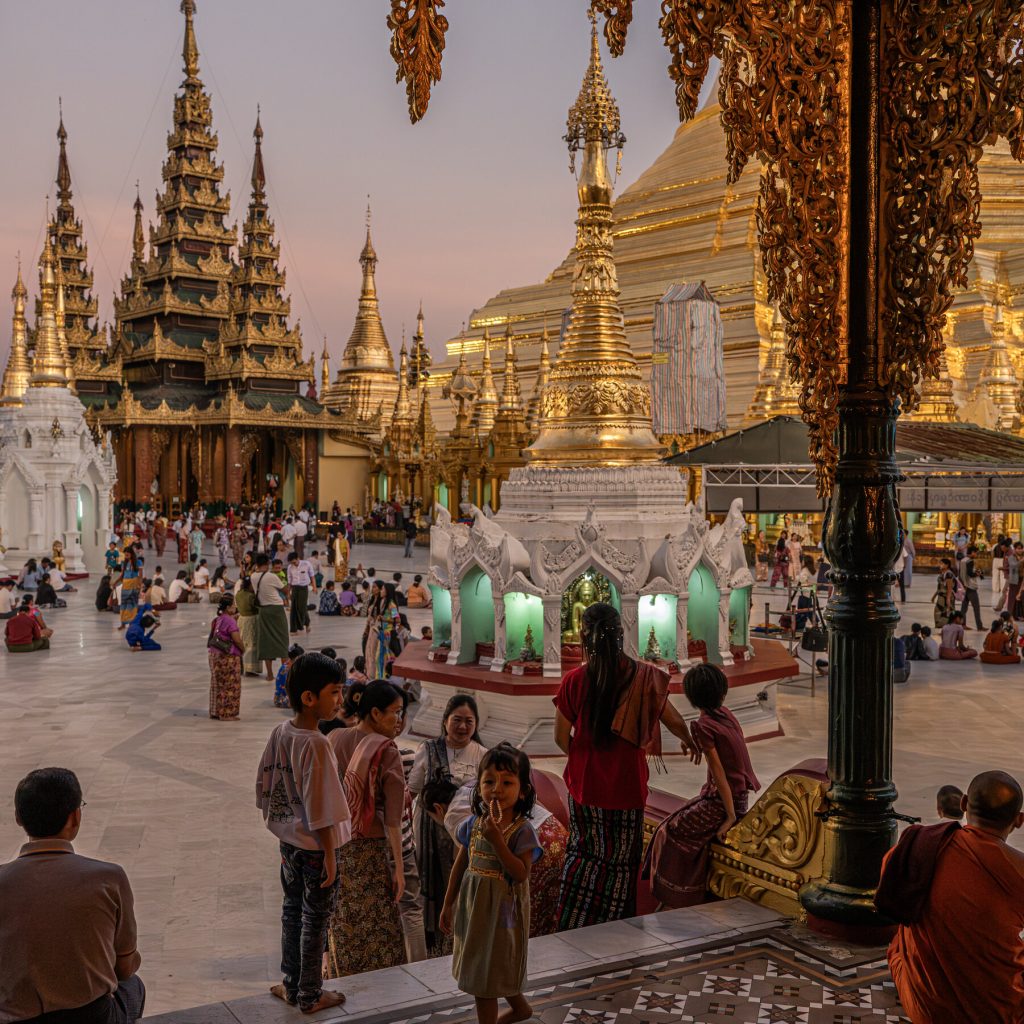
A military takeover in February 2021 shattered the fragile democratic hopes of a nation already grappling with poverty. Within weeks, armed resistance erupted across the country, plunging Myanmar into a brutal civil war that has left millions displaced and countless lives shattered.
The conflict has turned a struggling economy into a near‑catastrophe. International sanctions, the loss of foreign investment, and the destruction of infrastructure have driven the country’s GDP down dramatically, pushing the poorest communities even further into destitution.
In an attempt to regain a veneer of legitimacy, the junta announced national elections for later this year. Critics, both inside and outside Myanmar, have denounced the vote as a sham—a staged event designed to mask ongoing repression and violence.
While politicians argue over ballot boxes, ordinary citizens continue to endure relentless hardship: food shortages, lack of medical care, and constant fear of aerial bombings. Humanitarian agencies report that more than 1.5 million people have fled their homes, and countless others are living in makeshift shelters with little hope of relief.
Global powers are caught between condemning the junta’s actions and addressing the urgent humanitarian crisis. Calls for a genuine, inclusive political process grow louder, but the reality on the ground remains grim.
Until the violence ends and a truly democratic transition takes place, Myanmar’s elections will remain a hollow gesture, while the real tragedy—its people’s suffering—continues unabated.



Myanmar’da yaşananlar gerçekten çok üzücü. İnsanların bir an önce barış ve huzur içinde yaşaması gerekiyor.