Aydın,
3°C
açık

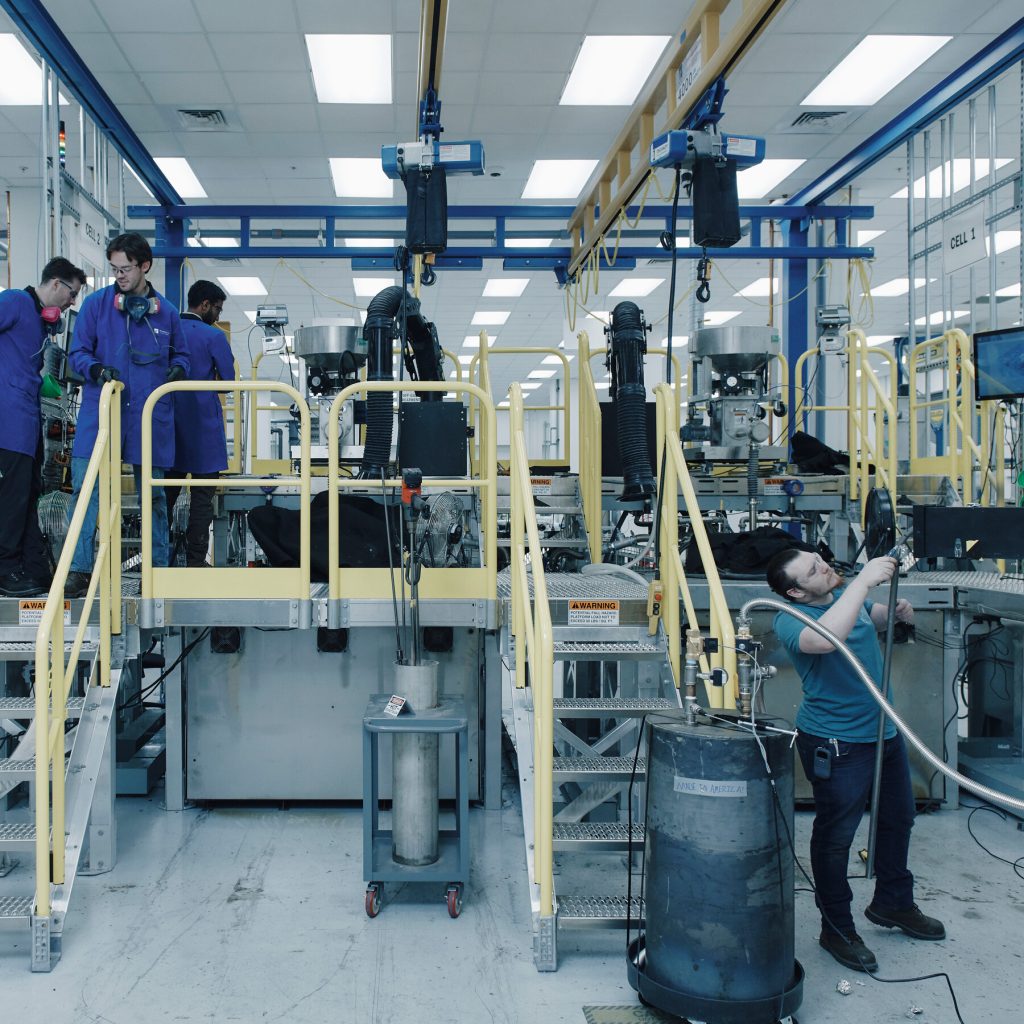
The American rare‑earth sector has long been dominated by Chinese suppliers, but a fledgling company is aiming to shift that balance. Phoenix Tailings, a start‑up headquartered in New Hampshire, has recently begun producing high‑purity rare‑earth metals using a suite of innovative processing techniques.
Rare‑earth elements such as neodymium, dysprosium, and terbium are essential for modern technologies—from electric‑vehicle motors and wind‑turbine generators to smartphones and defense systems. Control over their supply chain can therefore influence both economic competitiveness and national security.
Instead of relying on the traditional, energy‑intensive acid leaching methods common in China, Phoenix Tailings employs a combination of hydrometallurgical and mechanochemical processes. These techniques reduce waste, lower greenhouse‑gas emissions, and allow the company to extract metals from lower‑grade ore that was previously considered uneconomic.
The company’s pilot plant processes tailings—previously discarded mining waste—turning them into a valuable resource. By recycling these materials, Phoenix not only cuts costs but also addresses environmental concerns associated with legacy mining sites.
Despite the promising technology, Phoenix Tailings faces hurdles such as scaling up production, securing long‑term financing, and navigating complex regulatory frameworks. Nonetheless, industry analysts see the start‑up as a potential catalyst for diversifying the United States’ rare‑earth supply chain.
“Our goal is to create a resilient domestic ecosystem for critical minerals,” said Dr. Elena Martinez, co‑founder and chief technology officer of Phoenix Tailings. “By turning waste into wealth, we can reduce dependence on foreign sources while fostering sustainable manufacturing.”