Aydın,
3°C
açık

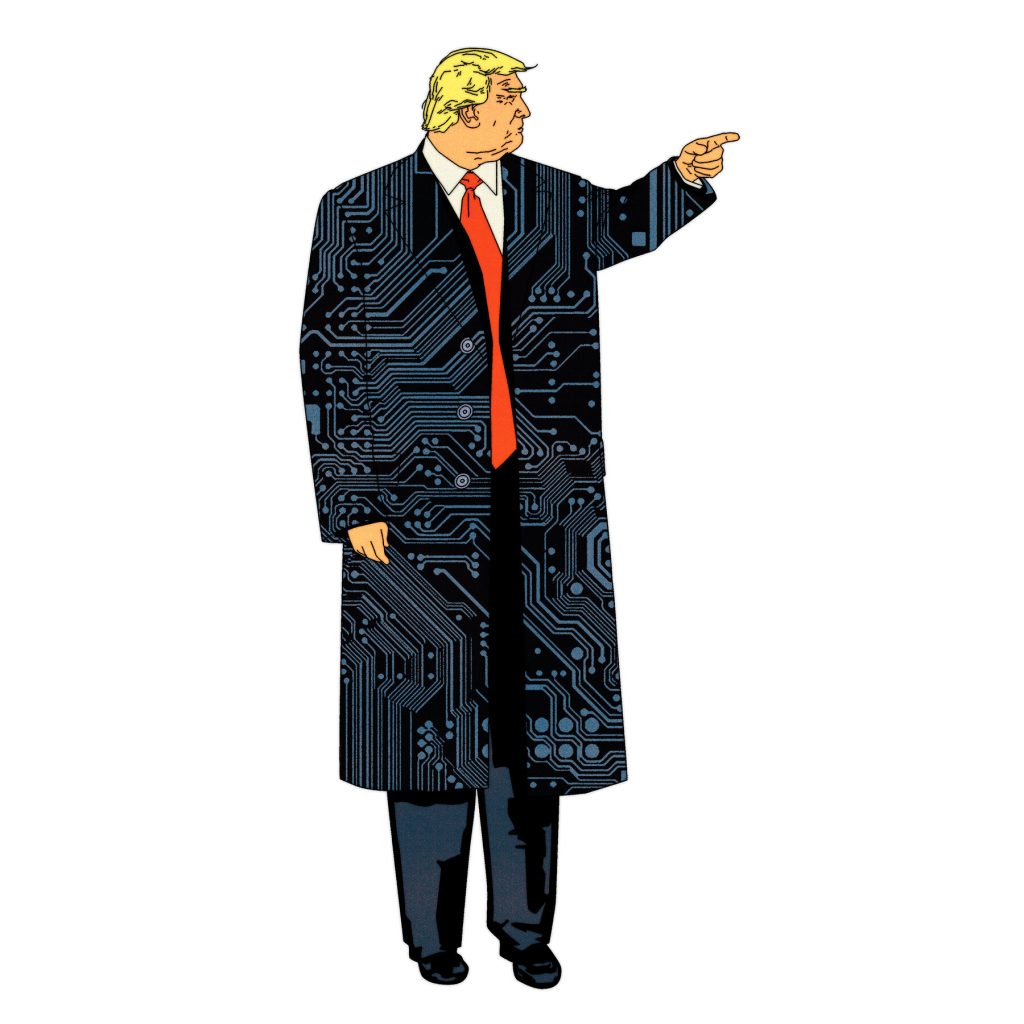
Since taking office, President Trump has championed a slate of policies that give the technology sector almost unlimited latitude to expand. From tax breaks for research and development to a hands‑off regulatory approach, the administration’s moves have created an environment where everything from artificial intelligence startups to semiconductor manufacturers can thrive without the usual constraints.
Tech CEOs have praised the president’s willingness to “let the market speak for itself.” The removal of several proposed antitrust investigations, combined with streamlined approval processes for new products, has cut red tape and accelerated product roll‑outs. Companies are now pouring billions into next‑generation chips, cloud infrastructure, and AI labs, confident that the political climate will remain favorable.
Despite the enthusiasm on Capitol Hill, a segment of the conservative base is beginning to voice concerns. Critics argue that an unfettered tech sector could undermine traditional values, increase surveillance, and concentrate too much power in the hands of a few corporations. Some lawmakers worry that the “big‑tech‑friendly” agenda may clash with long‑term economic stability and national security interests.
The Trump administration now faces the challenge of maintaining its strong partnership with Silicon Valley while addressing the growing skepticism among its own supporters. Whether the policies will evolve to include more oversight—or continue to prioritize rapid growth—remains a pivotal question for the future of both the tech industry and the broader economy.