Aydın,
8°C
açık

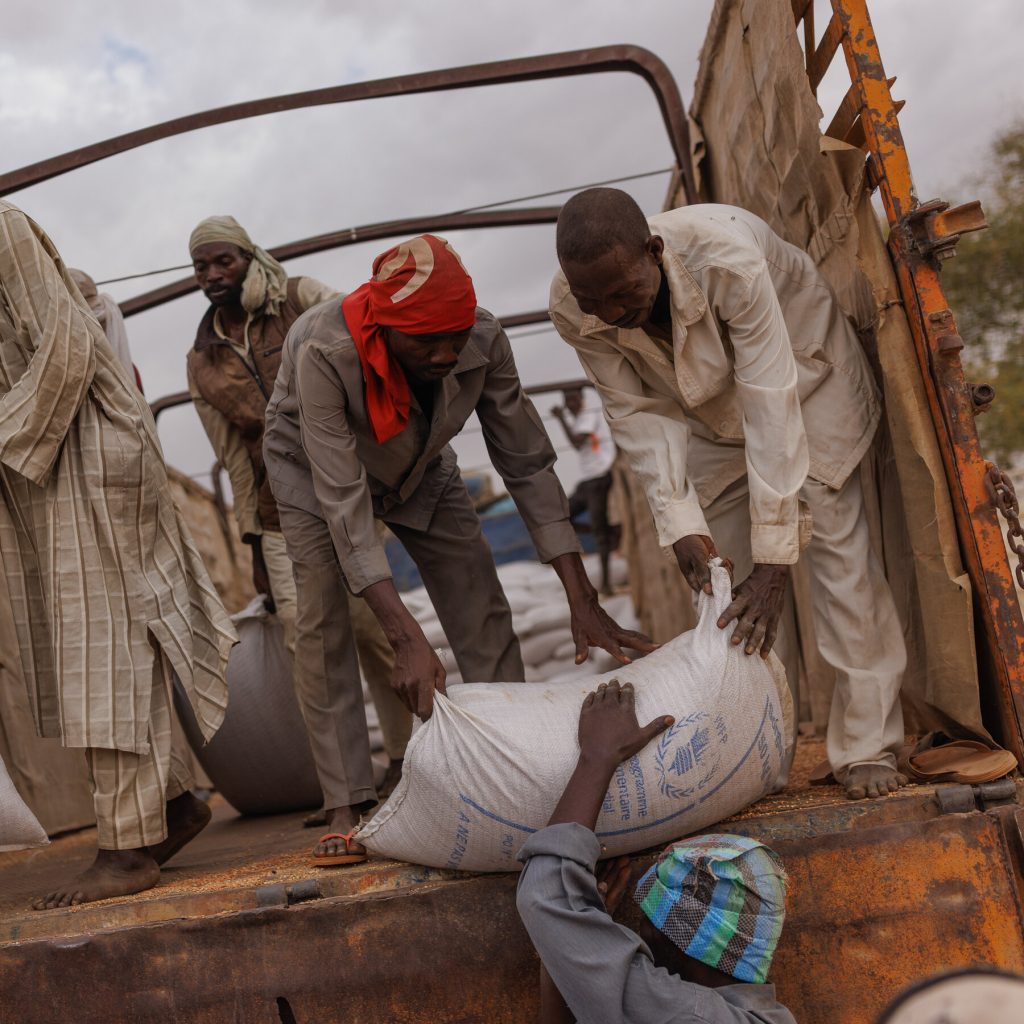
The United States has pledged a two‑billion‑dollar contribution to the United Nations for humanitarian assistance in 2025. This infusion of funds is expected to keep Washington at the top of the global aid donor list despite ongoing budget cuts across the foreign‑assistance portfolio.
At the same time, senior officials in the Trump administration have issued a stark warning to all overseas aid agencies: they must “adapt, shrink, or die.” The mandate reflects a broader push to streamline operations, reduce overhead, and eliminate programs deemed “non‑essential” under the current fiscal agenda.
While the $2 billion pledge secures the United States’ position as the largest donor to the UN’s relief and development initiatives, the internal pressure on agencies may force a re‑evaluation of how that money is allocated. Critics argue that the contradictory signals—generous external funding paired with aggressive internal cost‑cutting—could undermine the effectiveness of U.S. aid on the ground.
Humanitarian NGOs have welcomed the increased UN funding but warned that the “adapt, shrink, or die” directive could lead to staff reductions, program suspensions, and slower response times during crises. Congressional members from both parties have called for greater transparency, urging the administration to clarify which programs will face cuts and how the remaining resources will be protected.
As the new fiscal year approaches, the Treasury and State Departments are expected to release detailed guidelines on how the $2 billion will be disbursed. The coming months will reveal whether the United States can maintain its reputation as a reliable global partner while navigating the internal push for a leaner foreign‑assistance apparatus.