Aydın,
3°C
açık

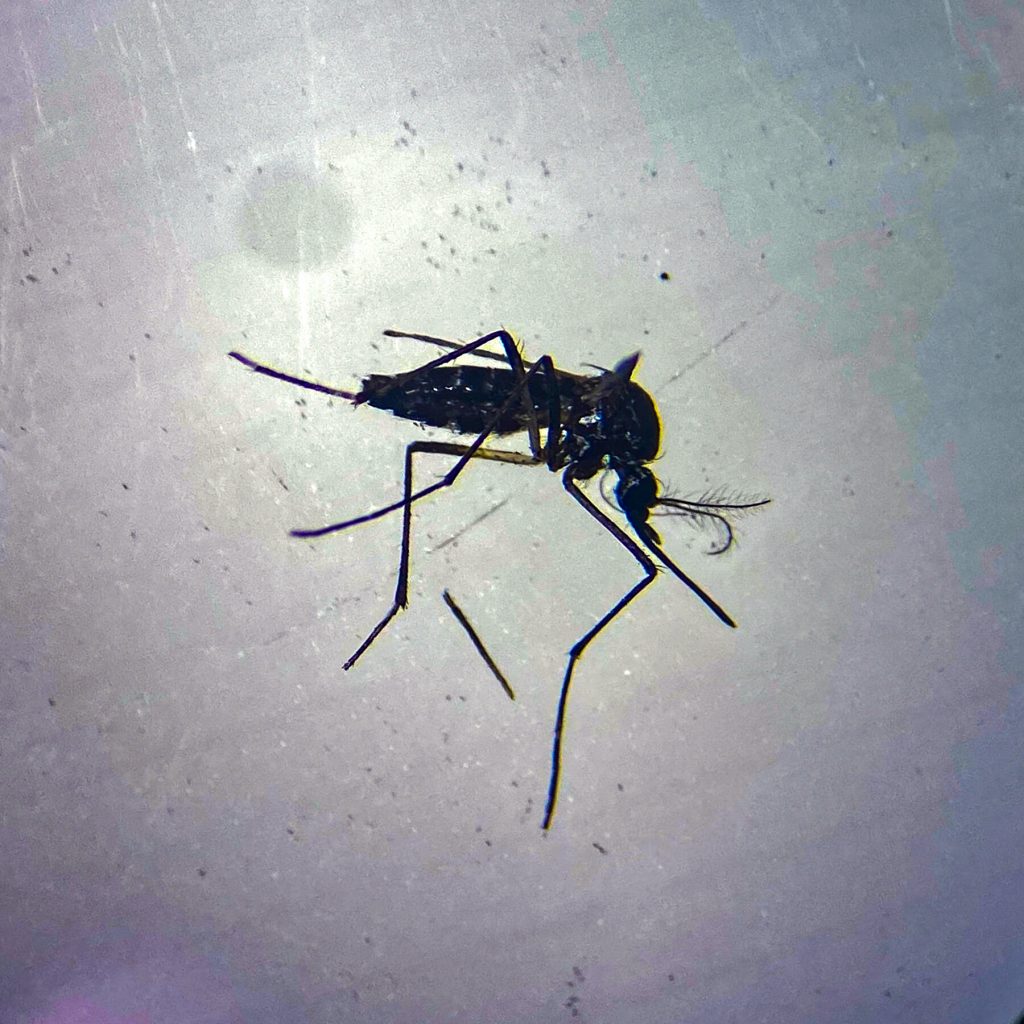
For years, a joint initiative funded by the United States had been a cornerstone of malaria control across sub‑Saharan Africa. The program supplied insecticide‑treated nets, rapid‑diagnostic tests and antimalarial medicines, contributing to a steady decline in malaria‑related deaths worldwide.
In 2017, the Trump administration dramatically reduced foreign aid to the health sector, slashing the budget allocated to the malaria program. The cut effectively gutted the supply chain that had kept millions of children and pregnant women safe from the disease.
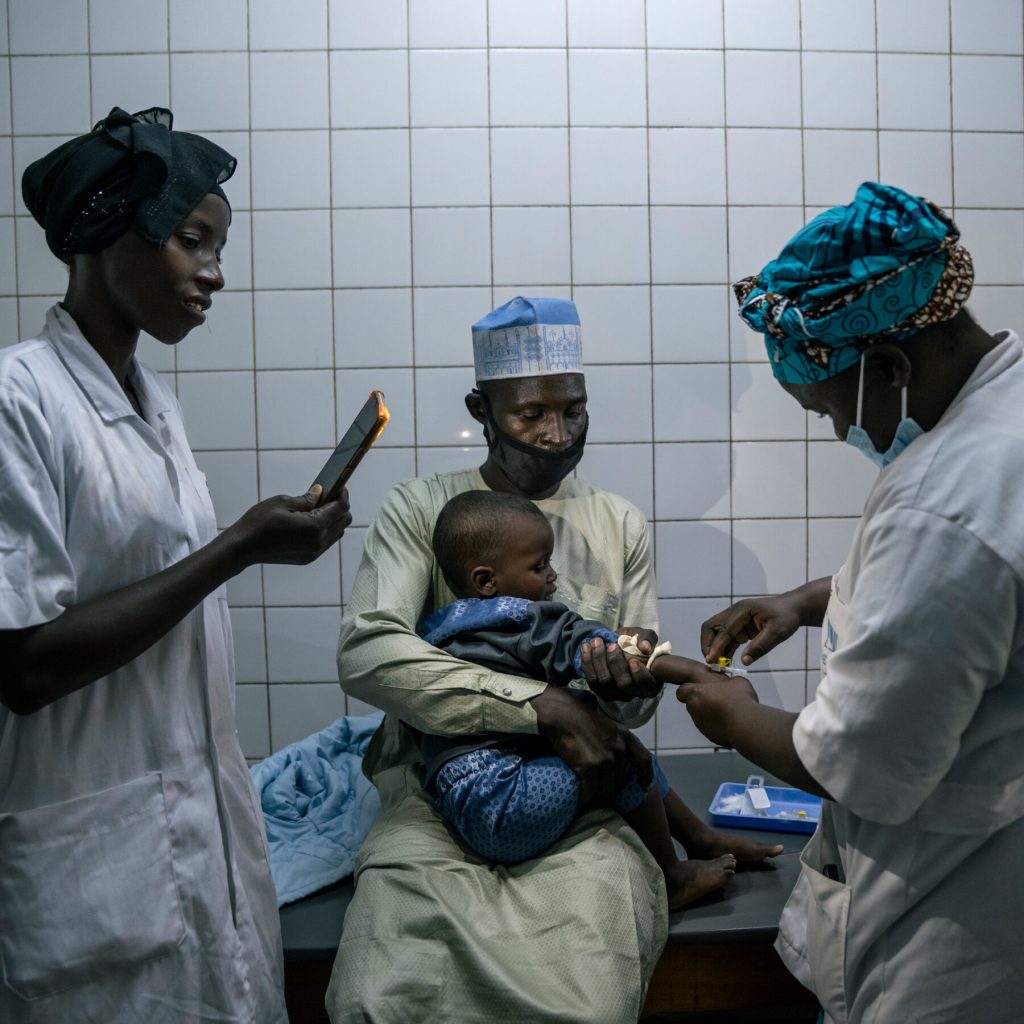
In northern Cameroon, where transmission peaks during the rainy season, health workers faced a stark dilemma. With the last shipment of nets delayed, they mobilised local resources, urging communities to reuse old nets and organize door‑to‑door awareness campaigns.
During what turned out to be the program’s “last” rainy season, clinics in the region reported a sharp rise in malaria cases. Health teams worked overtime, setting up temporary treatment posts and training volunteers to recognize early symptoms.
Cameroonian officials wrote urgent letters to donors, the World Health Organization and the United Nations, highlighting the looming health crisis. They emphasized that without swift financial assistance, the gains of the past decade could be erased.
While some emergency funds have been pledged, the long‑term sustainability of Cameroon’s malaria fight remains uncertain. Experts argue that a stable, multiyear commitment from the international community is essential to protect the most vulnerable and to keep malaria mortality on a downward trajectory.