Aydın,
-4°C
açık

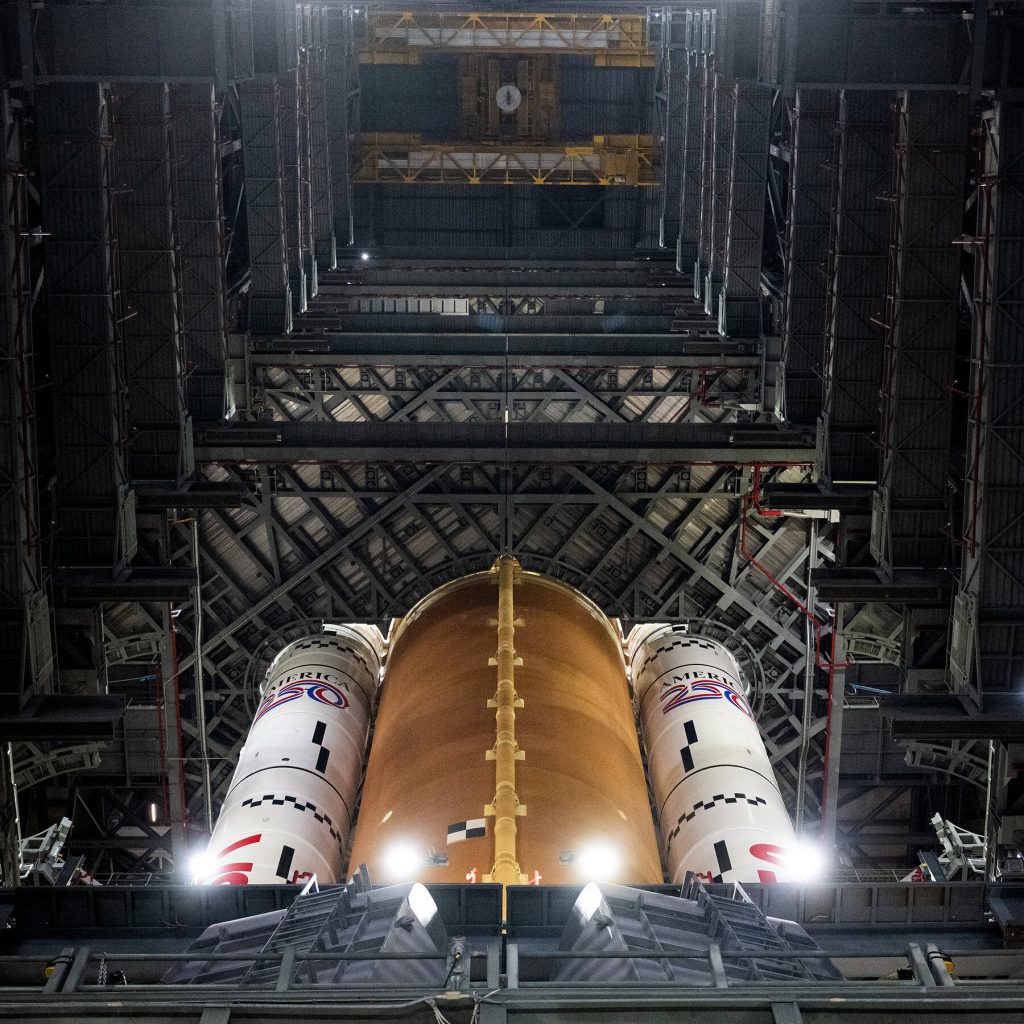
The Artemis II mission is slated for early 2026 and will mark humanity’s return to deep‑space crewed flight after more than five decades. Unlike the Apollo landings, Artemis II will perform a fly‑by of the lunar surface, sending a four‑person crew on a trajectory that loops around the Moon before heading back to Earth. The spacecraft will be the Orion crew capsule, launched aboard the powerful Space Launch System (SLS). NASA aims to test life‑support systems, radiation shielding, and navigation protocols that will be essential for the subsequent Artemis III landing.
On July 2, 2026, a total solar eclipse will sweep across parts of Canada, Greenland, and the Arctic Ocean, offering a rare viewing opportunity for eclipse chasers. The path of totality will be relatively wide—up to 250 km—making it one of the most accessible total eclipses of the decade. Astronomers anticipate a surge in scientific observations, from coronal imaging to studies of solar‑wind interactions, while tourists are already planning “eclipse festivals” in remote lodges and cruise ships.
2026 will also see the culmination of the Mars Sample Return campaign, with the Earth‑bound capsule expected to land in the Utah desert later in the year. The mission, a collaboration between NASA and the European Space Agency, will deliver the first pristine Martian rocks for laboratory analysis. In addition, a new European orbiter equipped with high‑resolution radar will enter Mars orbit in spring, promising fresh insights into subsurface ice deposits.
Two major observatories are scheduled to begin operations in 2026. The James Webb Space Telescope will enter its extended mission phase, focusing on exoplanet atmospheres and the earliest galaxies. Meanwhile, the Vera C. Rubin Observatory will start its 10‑year Legacy Survey of Space and Time (LSST), delivering an unprecedented flood of data on transient phenomena, dark matter, and dark energy.
From crewed lunar missions to groundbreaking planetary science and a show‑stopping solar eclipse, 2026 promises a packed calendar for space enthusiasts. Whether you’re a scientist tracking the latest data, a traveler chasing the eclipse, or a dreamer looking up at the night sky, the year ahead offers multiple reasons to keep your eyes on the heavens.