Aydın,
3°C
açık

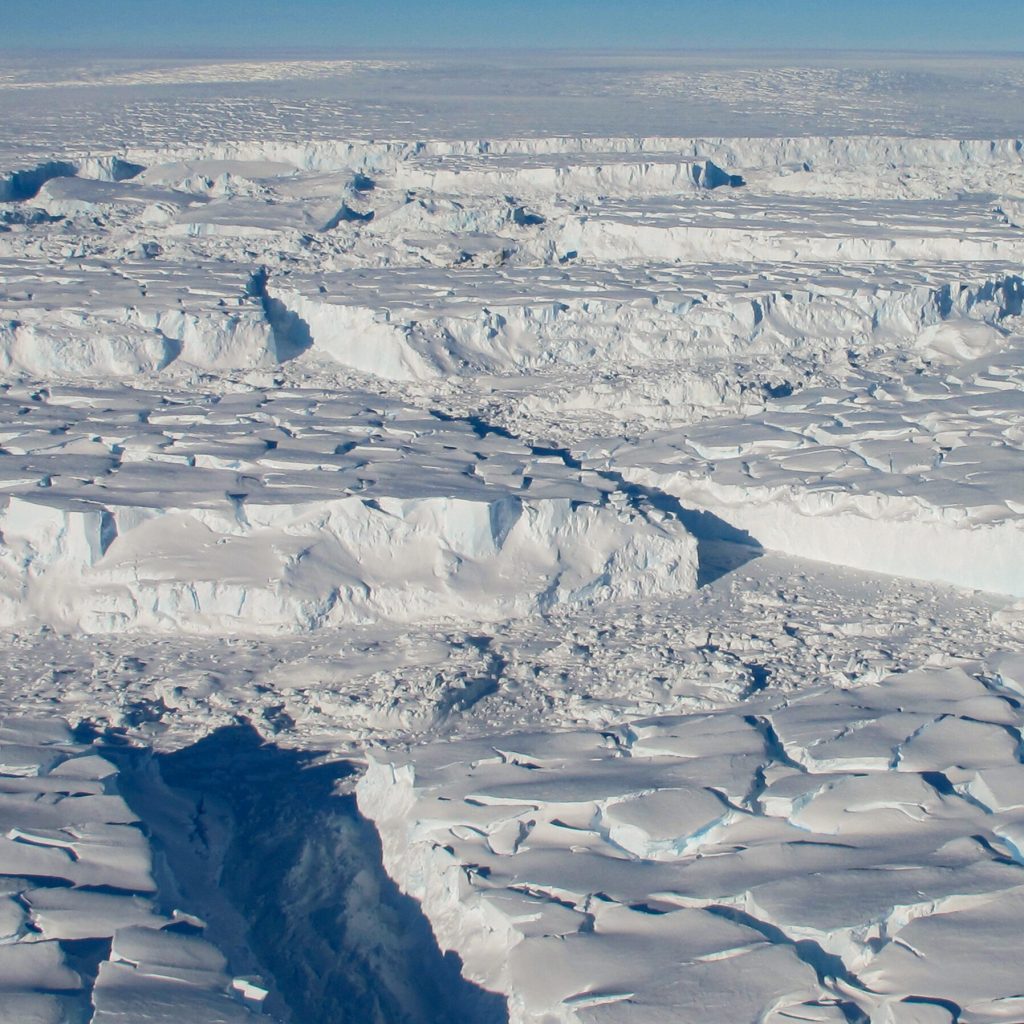
New satellite observations and deep‑ice drilling campaigns have provided a clearer picture of the dynamics of the continent’s fastest‑melting glacier. Researchers from an international consortium analysed data collected over the past decade and identified several unexpected patterns in ice flow, ocean‑water intrusion, and basal melting.
One of the most encouraging results is the discovery of a previously unknown sub‑glacial ridge that appears to act as a natural buttress, slowing the glacier’s downstream acceleration. Models incorporating this feature suggest that the immediate rate of sea‑level rise could be lower than earlier estimates, buying coastal communities valuable time to adapt.
In addition, the team observed a temporary cooling of the circumpolar deep water that feeds the glacier’s underside. This cooler water mass has reduced basal melt rates during the last two austral summers, offering a short‑term respite from rapid ice loss.
Despite these positive signs, the study also uncovered alarming trends. The ice‑shelf grounding line has retreated by more than 600 metres since 2015, and the rate of retreat is accelerating. Continued grounding‑line loss could destabilise the entire ice‑sheet basin, potentially unleashing a much larger contribution to global sea‑level rise over the coming decades.
Furthermore, oceanographers detected an increase in warm, salty water intrusions beneath the glacier’s tongue. This warm water is capable of penetrating deeper into the sub‑glacial cavity, enhancing basal melting and undermining the glacier’s structural integrity.
The mixed findings underscore the complexity of the Antarctic system. While natural geological features may provide temporary safeguards, the overarching trend of warming ocean waters remains a dominant driver of ice loss. Scientists stress that Thwaites Glacier will continue to be a critical focus of monitoring, as its behaviour directly influences projections of sea‑level rise for the next 50‑100 years.
Researchers plan to deploy autonomous underwater vehicles equipped with high‑resolution sonar to map the sub‑glacial cavity in greater detail. Parallelly, climate modelers are integrating the new observational data to refine predictions of how Thwaites will respond to future warming scenarios. Continued international collaboration will be essential to improve our understanding and to inform mitigation strategies worldwide.