Aydın,
-4°C
açık

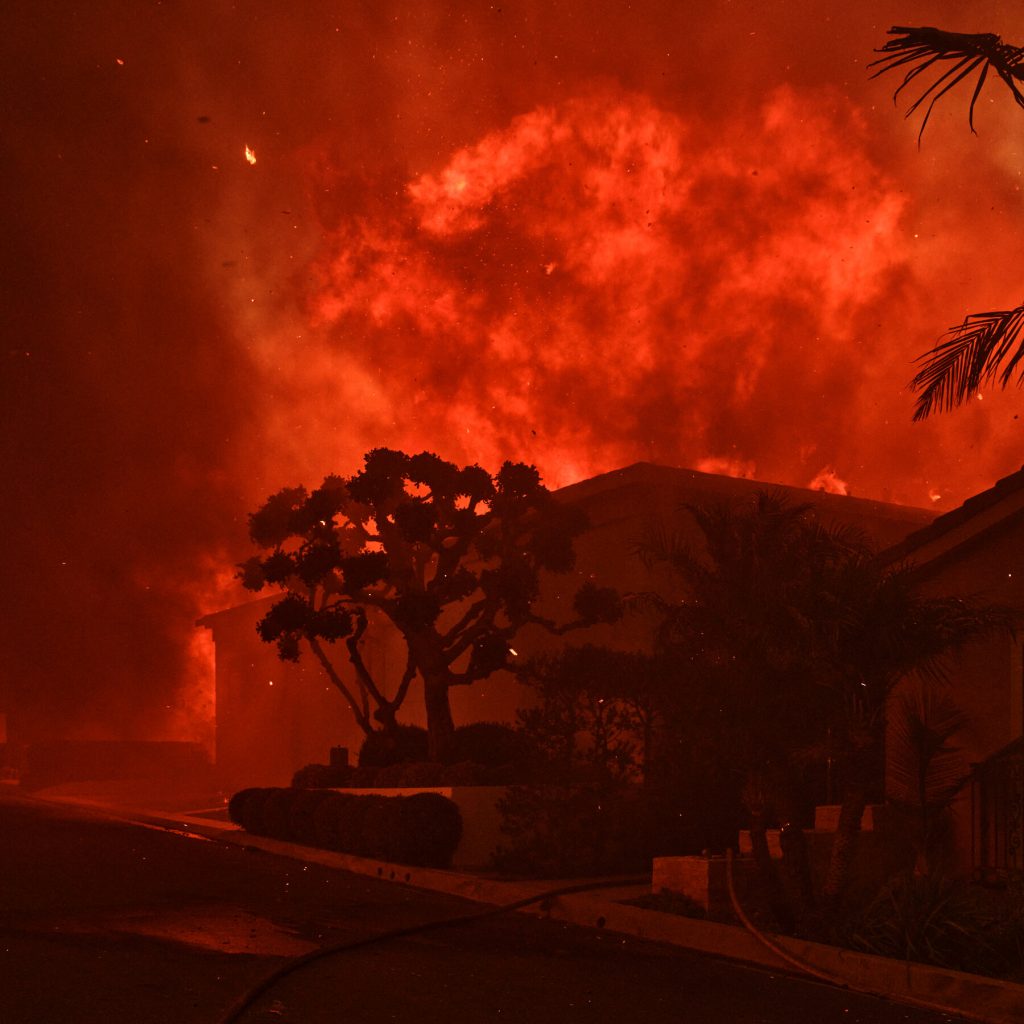
Just days before the first anniversary of the devastating January wildfires, heavy rains swept through Los Angeles County, turning streets into rivers and reminding residents that climate extremes are now a daily reality.
From flames to flash floods, the region has endured two of the most severe natural disasters in recent memory. In January, a series of fast‑moving wildfires scorched more than 1,200 acres, destroying dozens of homes and forcing thousands to evacuate. Now, an unprecedented storm system has dumped over 4 inches of rain in parts of the city, causing flash flooding that has inundated low‑lying neighborhoods, closed major freeways, and prompted a fresh wave of emergency declarations.
Mayor Emily Torres addressed the media on Tuesday, noting, “We cannot treat these events as isolated incidents. The pattern of extreme heat, drought, and now intense rainfall is a clear signal that we must adapt our infrastructure and emergency response to a new climate reality.”
Residents of the historic Echo Park district reported water rising to knee‑height within minutes of the storm’s onset. “We were watching the water climb up the stairs of our kitchen,” said longtime resident Javier Morales*. “It felt like the same panic we felt when the fire threatened our block last year.”
Emergency services responded to more than 200 flood‑related calls within the first six hours, rescuing motorists stranded on the 101 Freeway and helping families evacuate basements that were quickly filling with water.
Scientists from the Southern California Climate Institute warn that such “compound events”—where drought‑driven fire risk is followed by heavy precipitation—are likely to become more frequent. Dr. Leah Kim explained, “Wildfires strip vegetation, reducing the land’s ability to absorb rain. When a storm finally arrives, the water runs off faster, leading to severe flooding.”
City officials are already planning upgrades to storm‑drain systems and expanding the network of fire‑resistant green spaces, aiming to create a more resilient urban landscape capable of withstanding both blaze and deluge.
As Southern California marks a year since the January infernos, the recent floods serve as a stark reminder that the region’s future will be shaped by an increasingly volatile climate—and by the choices its residents make today.