Aydın,
1°C
açık

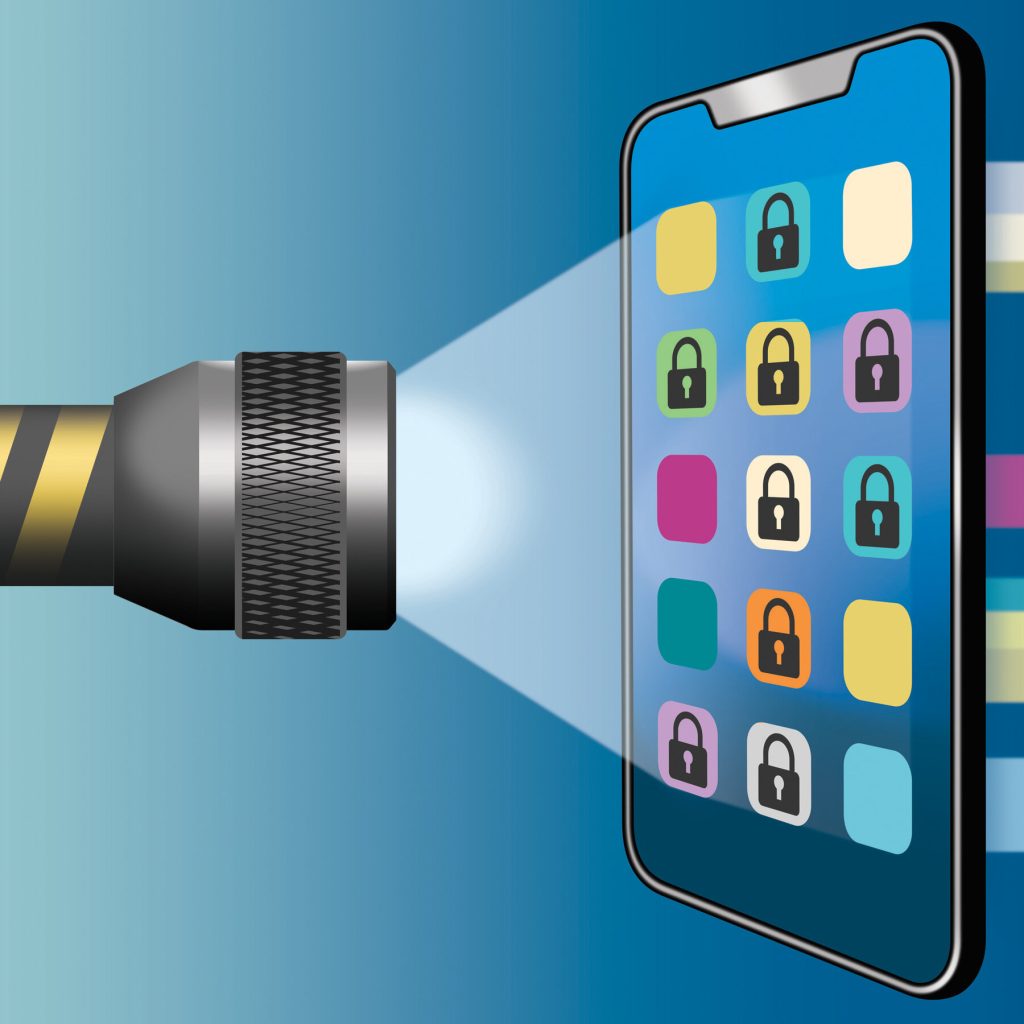
U.S. Customs and Border Protection (CBP) officers have wide‑ranging authority to examine electronic devices—smartphones, tablets, laptops, and even smartwatches—when you cross an international border. The agency can request access to your hardware, view the contents, and copy data without a warrant or your consent.
The legal basis for these searches comes from the border search exception to the Fourth Amendment. While courts have upheld the government’s power to conduct routine, “visual” inspections, more intrusive searches (such as requiring passwords) are still being debated. In practice, many travelers find themselves asked to unlock their phones or hand over passwords.
1. Use Strong Encryption
Enable full‑disk encryption on all devices. On iOS, this is automatic; on Android, make sure the “Encrypt phone” option is turned on.
2. Keep a Minimal Travel Profile
Before you travel, consider creating a separate “travel” account or using a guest profile that contains only the information you’re comfortable sharing.
3. Back Up and Wipe If Necessary
Back up important data to a secure cloud service or external drive, then perform a factory reset before you cross the border. You can restore the backup once you’re safely on the other side.
4. Use Two‑Factor Authentication (2FA)
Even if an officer gains access to your device, 2FA can block unauthorized logins to sensitive accounts such as email, banking, and cloud storage.
5. Consider a Travel‑Only Device
Some travelers bring a cheap, secondary phone or tablet that holds no personal data. This can be surrendered without risking important information.
6. Know Your Rights
You can politely ask the officer if a search is mandatory and whether you can decline to provide a password. While refusal may lead to device seizure or denial of entry, being informed helps you make a conscious choice.
CBP officers typically focus on:
Border searches are legal, but you can mitigate the risk to your personal information by preparing ahead of time. Encrypt, limit what you carry, and stay aware of your rights—then you can travel with greater peace of mind.