Aydın,
-2°C
açık

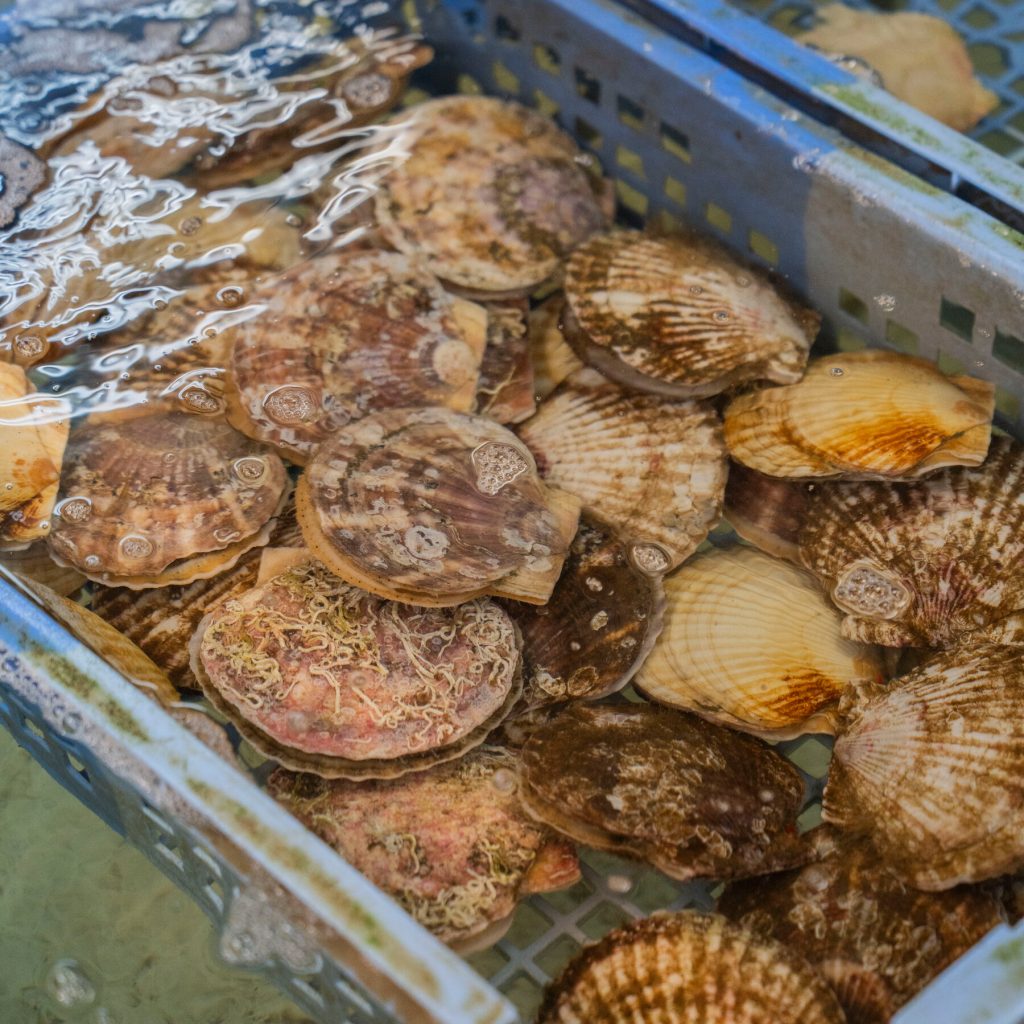
In recent months, the Chinese government has imposed a ban on the import of Japanese scallops, a move that many analysts view as a direct response to Japan’s growing willingness to support Taiwan amid rising cross‑strait tensions. While the mollusk itself is harmless, the restriction has quickly become a symbolic lever in a broader geopolitical dispute.
Japan’s Hokkaido region is one of the world’s leading producers of Patinopecten yessoensis, commonly known as the Japanese or “Yesso” scallop. The United States, South Korea and the European Union import the delicacy in large quantities, but China accounts for roughly 15 % of Japan’s total scallop export market. By cutting off this revenue stream, Beijing hopes to pressure Tokyo into tempering its diplomatic statements on Taiwan.
Since the inauguration of Taiwan’s new president in 2024, Japan has taken a more vocal stance, participating in joint naval drills and reaffirming its commitment to a “free and open Indo‑Pacific.” China perceives these actions as a challenge to its “One China” policy and has responded with a series of economic countermeasures, ranging from tourism advisories to restrictions on agricultural products.
The ban has already hit coastal communities in Hokkaido and the Sea of Japan. Fishermen, who rely on the high‑price overseas market, report a 20 % drop in income since the announcement. Local cooperatives are scrambling to find alternative buyers, while the Japanese government has pledged a ¥30 billion relief package to support affected workers.
In a statement released by the Ministry of Commerce, officials described the suspension of scallop imports as “a necessary safeguard for consumer health and a legitimate response to Japan’s provocative behavior.” Critics argue that the health claim is a pretext, pointing out that no safety concerns have been publicly documented.
Both the United States and the European Union have expressed concern over the use of food imports as a diplomatic tool, urging China to “refrain from politicizing trade.” The World Trade Organization (WTO) has opened a preliminary review to determine whether the measure violates trade rules.
While the scallop ban may seem like a small piece of the larger strategic puzzle, it underscores how quickly everyday commodities can become bargaining chips in international relations. As negotiations over Taiwan continue, markets for other Japanese seafood—such as salmon and tuna—could face similar scrutiny, prompting both governments to weigh the costs of economic retaliation against the stakes of regional security.