Aydın,
1°C
açık

In an era where the boundary between home and work is increasingly porous, a growing number of start‑ups are experimenting with unconventional office policies. One of the most surprising trends is the adoption of a “no shoes” rule that encourages employees to leave their footwear at the door.
Proponents argue that removing shoes creates a more relaxed, home‑like atmosphere that can boost creativity and reduce stress. “When you’re comfortable, you’re more likely to think outside the box,” says Emily Chen, founder of the tech incubator CozyLab. “It’s a small change that signals we value well‑being over tradition.”
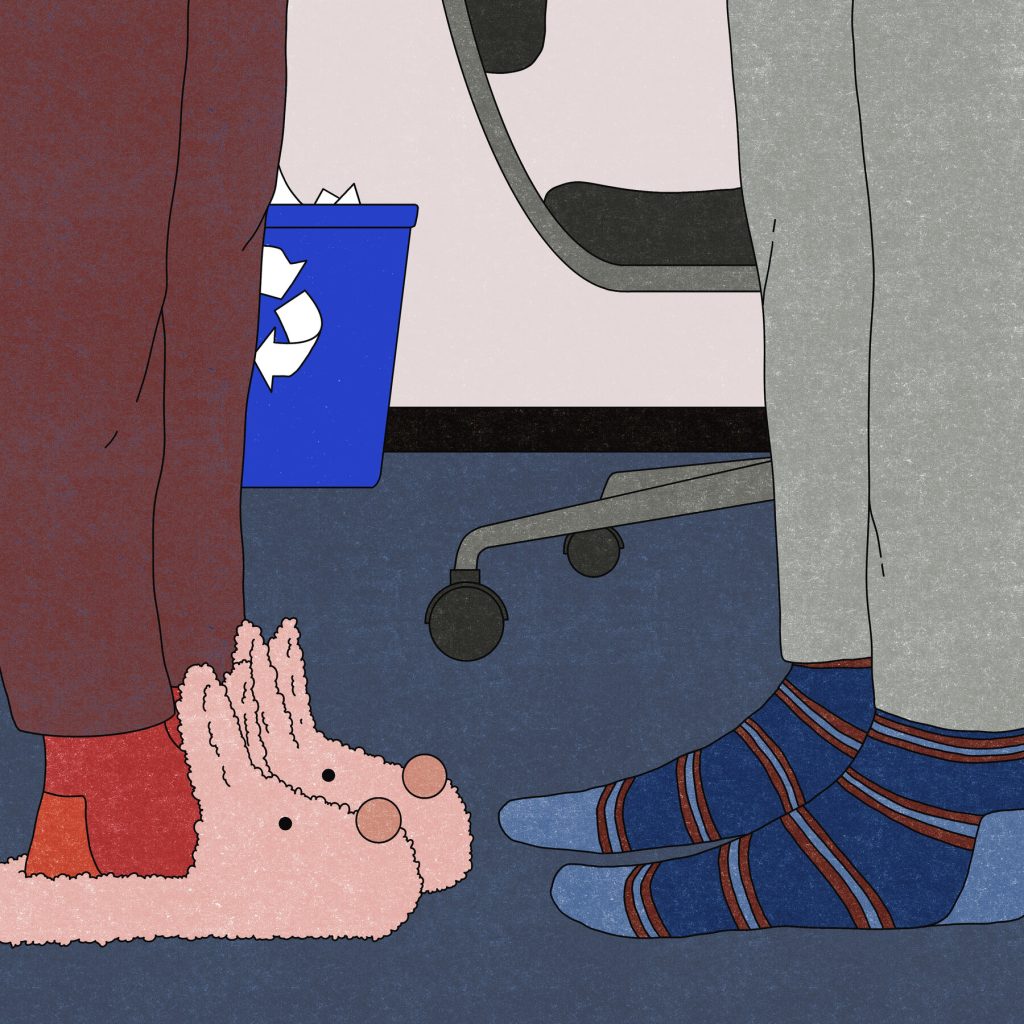
Companies that have implemented the policy typically provide a pair of indoor slippers or soft socks for each employee. The footwear is stored in a designated locker near the entrance, and staff are encouraged to keep the office floor clean and clutter‑free. Some offices even install foot‑friendly mats and anti‑fatigue flooring to further enhance comfort.
Initial data from pilot programs show modest improvements in employee satisfaction scores and a slight uptick in collaborative brainstorming sessions. Workers report feeling more grounded and less constrained by formal dress codes. However, critics caution that the policy may not suit every industry, especially those with strict safety or hygiene regulations.
Adopting a barefoot environment requires clear guidelines to address concerns such as foot hygiene, allergies, and workplace safety. Companies must also consider cultural sensitivities, as attitudes toward footwear vary widely across regions.
As the line between remote and on‑site work continues to blur, businesses are experimenting with new ways to make the office feel more like a personal space. Whether the no‑shoes movement becomes a lasting fixture or a fleeting novelty remains to be seen, but it undeniably reflects a broader shift toward prioritizing employee comfort and flexibility.