Aydın,
3°C
açık

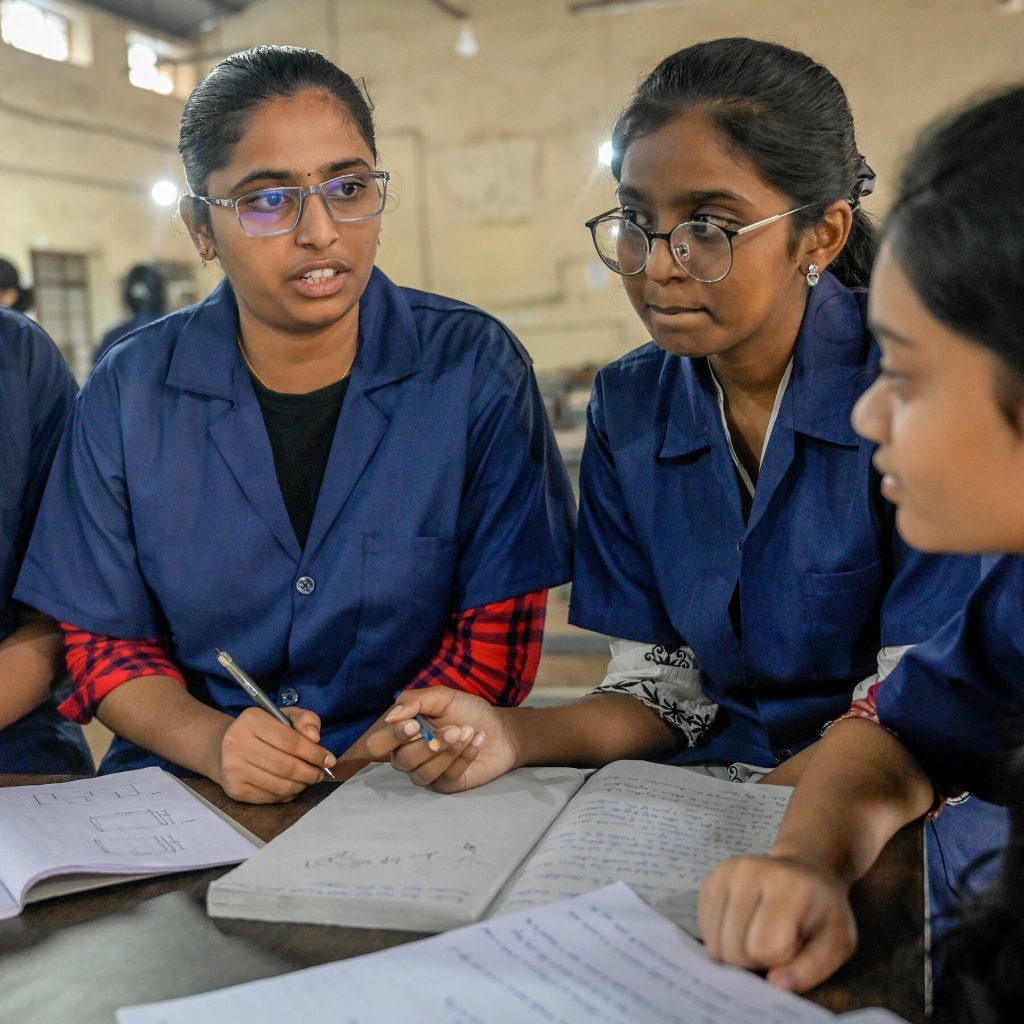
The Trump administration’s recent overhaul of the H-1B visa program has sent shockwaves through India, where a generation of students had pinned their hopes and family savings on careers that once seemed within reach in the United States. The new policy, which raises the minimum annual salary requirement for H-1B visa holders to $100,000, has left many Indian families reeling.
For years, the H-1B visa program had been a coveted gateway for Indian students to pursue lucrative careers in the US tech industry. Many had spent years studying and preparing for the opportunity, often with the financial support of their families. However, the sudden and drastic change to the program has shattered their dreams.
“I had spent five years studying and working towards this goal,” said Rohan, a 28-year-old software engineer from Bengaluru. “I had secured a job with a top IT firm in the US, but now it’s all being taken away from me. My dreams were shattered.”
The new policy has sparked widespread concern among Indian students and their families, who had invested significant amounts of money and time into their education and career prospects. Many had taken out loans or depleted their family’s savings to fund their studies, with the expectation of securing a well-paying job in the US.
The impact of the policy change is being felt across India, where many families have staked their future on their children’s success in the US job market. “This is a disaster for our family,” said Rajesh, a father from Mumbai whose son had secured a job at a top US tech firm. “We had taken out a loan of 50 lakhs (approximately $70,000) to fund his education and travel to the US. Now, it’s all being wasted.”
The Trump administration’s move has been seen as a significant shift in the US government’s approach to immigration, with many experts warning that it could have far-reaching consequences for the tech industry and the economy as a whole. The policy change has also sparked concerns about the impact on US businesses, which rely heavily on international talent to fill skills gaps.
As the news spreads, many Indian students are left wondering what the future holds. “I don’t know what to do now,” said Rohan. “I had put all my eggs in one basket, and now it’s been taken away from me. I feel like I’m back to square one.”