Aydın,
1°C
açık

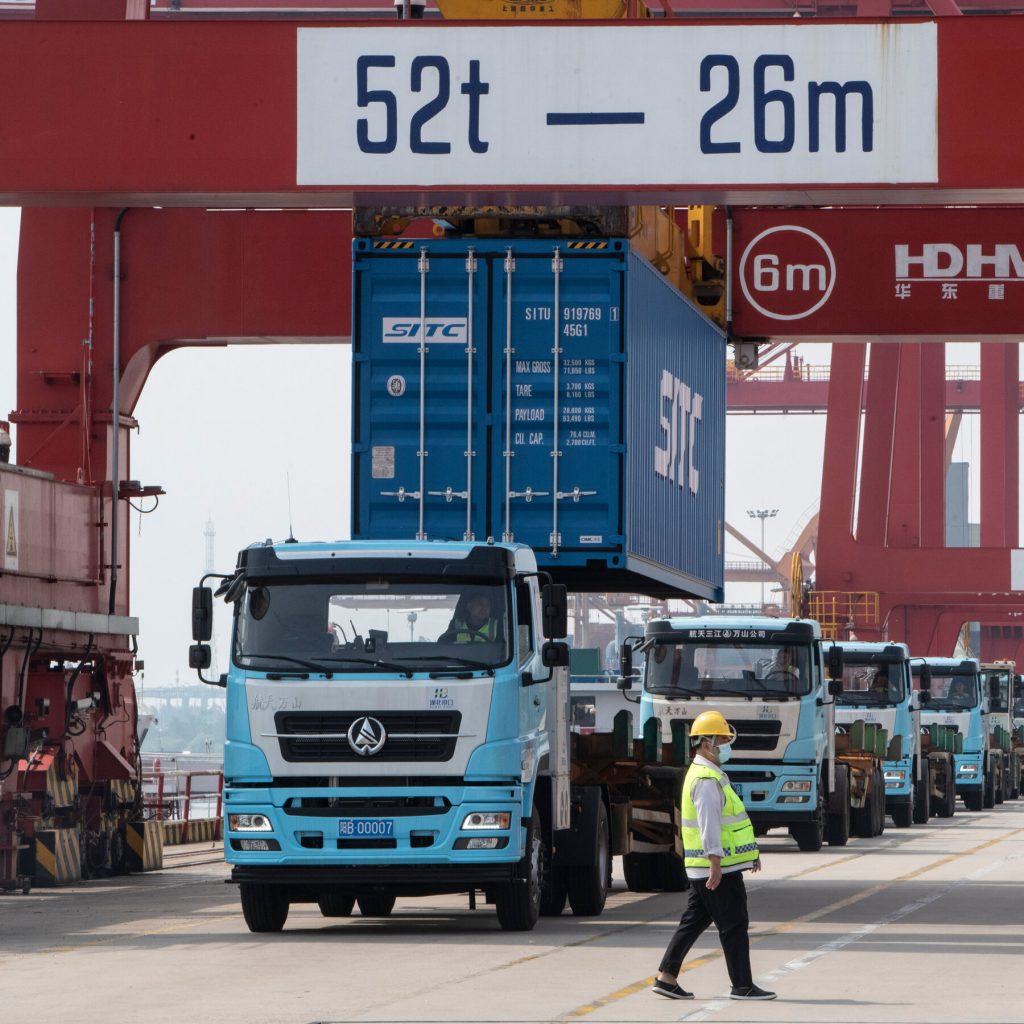
The Trump administration has taken a significant step to tighten its grip on global technology supply chains by introducing a new rule that extends trade restrictions to subsidiaries of companies on the “entity list”. This move is set to have far-reaching implications for multinational corporations and their subsidiaries worldwide.
The new rule, which came into effect recently, automatically extends trade restrictions to any subsidiary that is majority-owned by a company on the entity list. The entity list, maintained by the US Department of Commerce, comprises organizations that are deemed to pose a risk to US national security or foreign policy interests.
By expanding the scope of trade restrictions to include subsidiaries, the Trump administration aims to prevent entities on the entity list from circumventing US export controls by routing sensitive technologies through their subsidiaries. This move is seen as a major escalation of the US government’s efforts to restrict the flow of sensitive technologies to rival nations, particularly China.
The new rule is likely to impact a wide range of industries, including technology, telecommunications, and aerospace. Companies with subsidiaries worldwide will need to ensure that their non-US subsidiaries comply with US export controls, which could require significant updates to their compliance procedures.
The move has been welcomed by US lawmakers and national security experts, who have long argued that the entity list was vulnerable to exploitation by companies seeking to evade US export controls. However, some industry groups have expressed concerns that the new rule could have unintended consequences, such as disrupting global supply chains and stifling legitimate business activities.
As the Trump administration continues to tighten its grip on global technology supply chains, companies with global operations will need to stay vigilant and adapt to the changing regulatory landscape. The new rule is a clear indication that the US government will continue to use its export controls to pursue its national security and foreign policy objectives, and companies will need to take steps to ensure compliance.