
Aydın,
3°C
açık

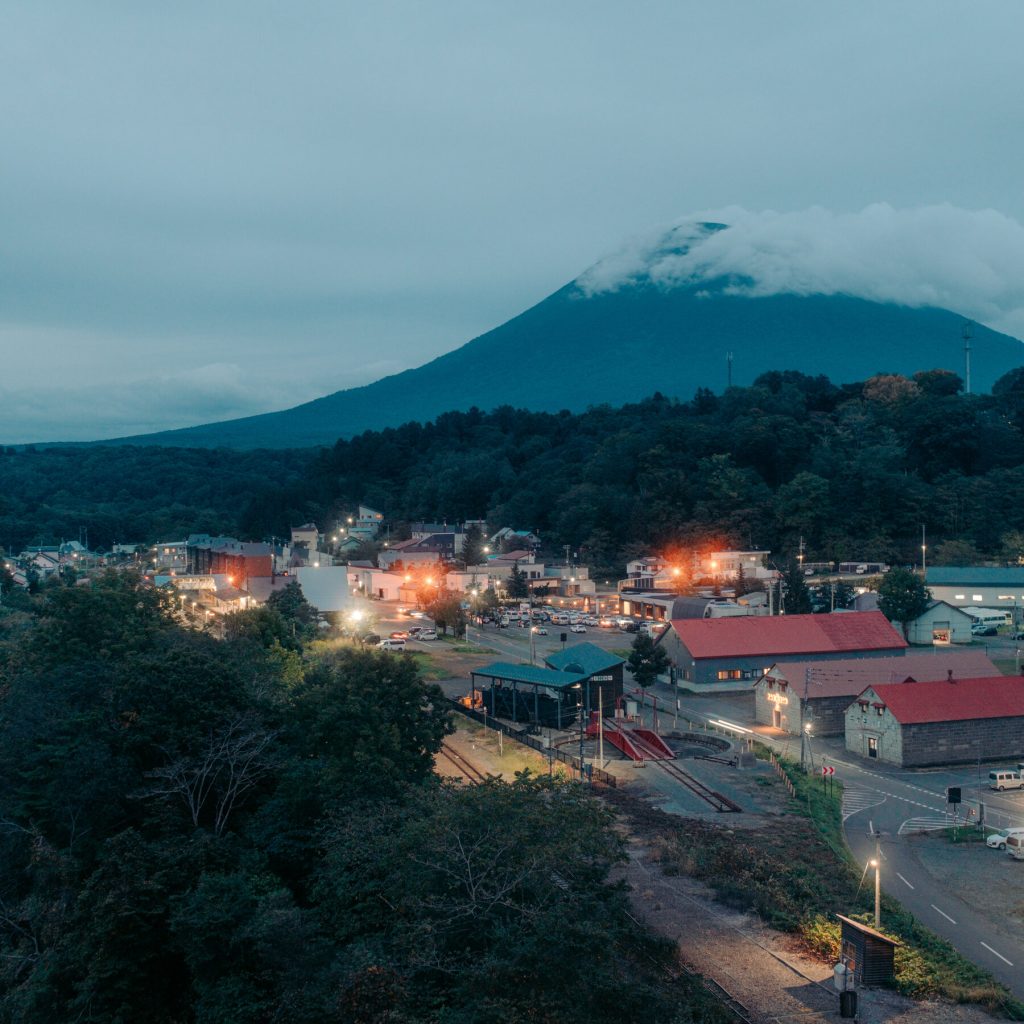
In the picturesque Japanese ski resort town of Niseko, a heated debate is brewing over a planned housing facility for foreign workers, laying bare the tensions between the country’s pressing need for labor and deep-seated anxieties over immigration. The town, renowned for its powdery snow and breathtaking scenery, has long been a magnet for tourists and ski enthusiasts from around the world. However, as the town’s popularity continues to soar, local businesses are finding it increasingly difficult to find staff, sparking a scramble to recruit workers from abroad.
At the center of the controversy is a proposal to build a large housing complex for foreign workers, which has sparked fierce resistance from some long-time residents. They argue that the influx of foreign workers will alter the town’s character, strain local resources, and potentially lead to increased crime and social problems. The protesters, many of whom are elderly, have expressed concerns that the town’s cultural identity and traditional way of life are under threat.
However, proponents of the housing complex argue that it is essential to address the severe labor shortages plaguing the town’s ski resorts, hotels, and restaurants. With Japan’s population aging and shrinking, the country is facing a critical shortage of workers, particularly in the tourism and services sectors. Niseko, in particular, is struggling to find staff to cater to its rapidly growing tourist industry, which generates significant revenue for the local economy.
The town’s authorities have acknowledged the need for foreign workers, but have also sought to balance this with concerns over the potential impact on the community. The proposed housing complex, which would accommodate hundreds of workers, has been designed to be self-contained, with its own amenities and services. However, some residents remain skeptical, fearing that the complex will become a magnet for more foreign workers, straining local infrastructure and services.
The debate in Niseko highlights the complexities and challenges facing Japan as it grapples with the need for immigration to sustain its economy and population. While the country has traditionally been resistant to large-scale immigration, the reality of its rapidly aging population and shrinking workforce has forced a re-evaluation of its policies. As Niseko and other Japanese towns and cities navigate this delicate balancing act, they must confront the anxieties and concerns of their residents, while also addressing the pressing need for labor and talent to drive their economies forward. Ultimately, the outcome of this debate will have significant implications for Japan’s future, as it seeks to reconcile its need for immigration with its desire to preserve its cultural identity and traditional way of life.





Japonya’nın bu tarz tartışmaları çok normal aslında. Her ülke gibi onlar da kendi kültürlerini koruma altına almak isterler. Fakat ekonomi ve nüfus konusunda sorunlar yaşıyorlar.
Bu tarz haberleri okudukça Japonya’nın ne kadar kapalı bir toplum olduğu konusunda şüphelerim daha da artıyor. Umarım bir gün herkesle eşit şekilde iletişim kurmayı öğrenirler.
Japonya’da yaşayan insanlar olarak bazı endişeleri dile getirmeleri normal. Ancak çözüm yollarını da birlikte bulacaklardır.
Japonya gibi bir ülkede göç konusundaki tartışmaların çıkması şaşırtıcı değil. Umarım bu tarz sorunları aşarak daha iyi bir noktaya gelirler.
Bu tarz konularda Japonya’nın dünya görüşü ve bakış açısı farklı. Onların kültürlerini koruma altına almaya çalışmaları anlaşılabilir.