Aydın,
1°C
parçalı bulutlu

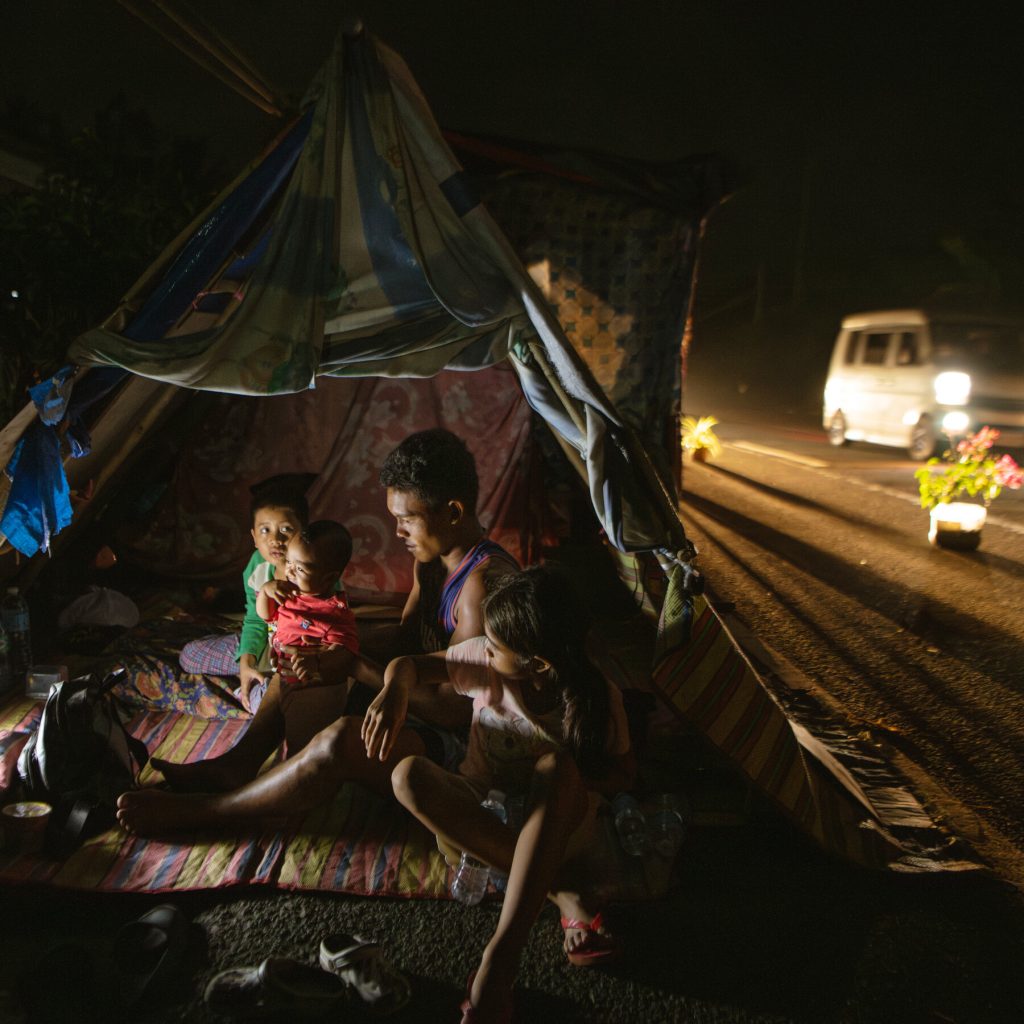
The devastating earthquake that struck Cebu, Philippines, has left many survivors reeling in shock and grief. Among them are those who tragically lost their lives in their own homes, which were supposed to provide a safe haven from the fury of natural disasters. These homes, touted as resilient and disaster-proof, failed to live up to their promise, trapping and claiming the lives of their inhabitants.
The earthquake, which hit the region with unexpected ferocity, exposed the vulnerability of these supposedly resilient dwellings. Many of the affected homes were built with the intention of withstanding the strong tremors and turbulent weather conditions that are common in the Philippines. However, it appears that the construction and design of these homes were not sufficient to protect their occupants from the earthquake’s powerful impact.
As a result, numerous residents who had sought refuge in the safety of their own homes found themselves trapped and helpless as the structures crumbled around them. The disaster has raised critical questions about the effectiveness of disaster-resistant construction and the enforcement of building codes in the region.
The tragedy serves as a sobering reminder of the importance of stringent construction standards and robust disaster preparedness measures. For many, the earthquake has shattered not only their homes but also their trust in the safety and security of their living spaces. As relief efforts continue and the community begins to pick up the pieces, there is a growing demand for accountability and action to ensure that such a disaster never happens again.
In the face of this calamity, authorities and experts are faced with the daunting task of assessing the damage, identifying the causes of the failure, and devising strategies to prevent similar tragedies in the future. For the survivors, the road to recovery will be long and arduous, but it is crucial that their voices are heard and their concerns addressed to create safer, more resilient communities.