Aydın,
1°C
açık

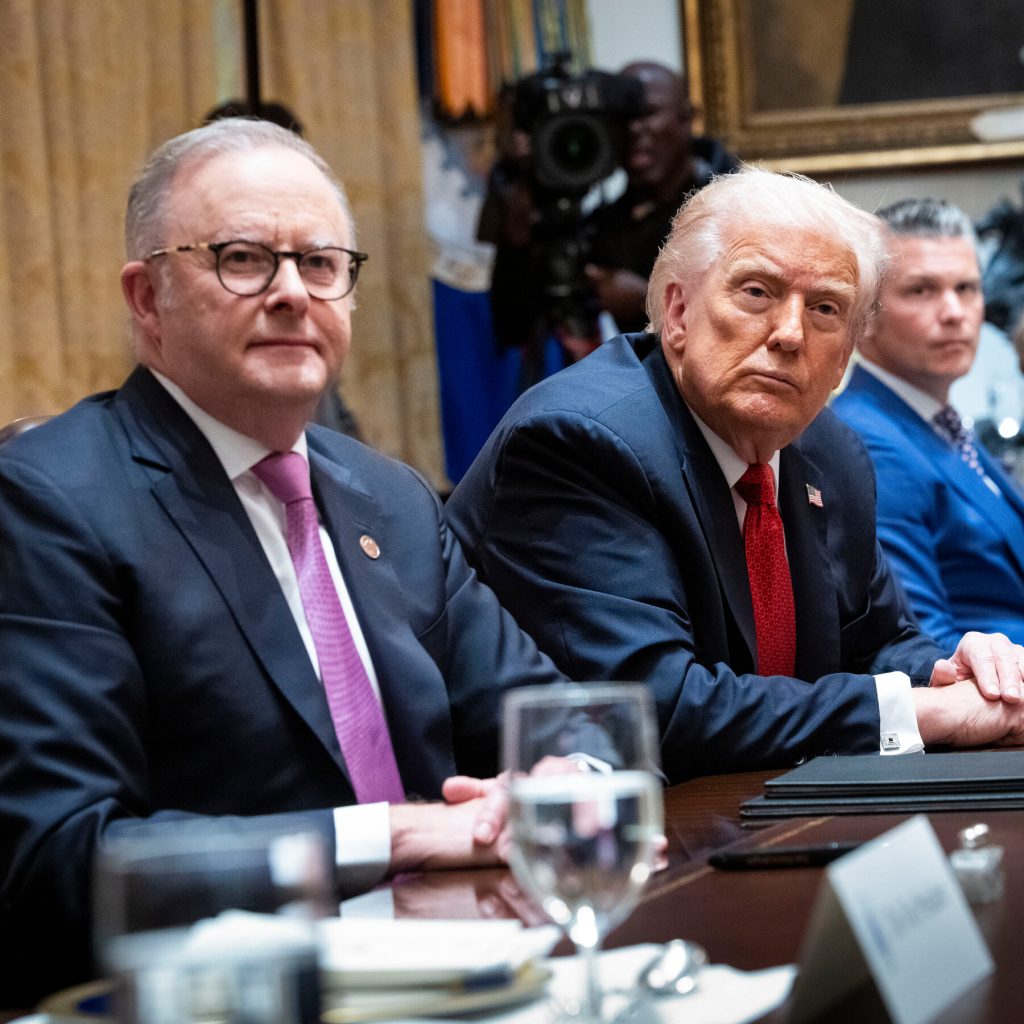
The Trump administration is embarking on a series of unorthodox efforts to bolster the United States’ dwindling rare earths industry, but the effectiveness of these measures remains uncertain. For years, China has maintained a stranglehold on the global rare earths market, controlling over 80% of production and refining capacity. The scarcity of these critical minerals, essential for the production of high-tech electronics, renewable energy systems, and advanced military equipment, has prompted the U.S. to take drastic action.
The U.S. Department of Defense has identified rare earths as a top priority, citing concerns over China’s dominance and the potential risks to national security. In response, the Pentagon is exploring unconventional strategies to revive the U.S. rare earths industry, which has been largely dormant since the 1990s. One approach involves providing financial support to domestic mines and processing facilities, with the goal of increasing production and reducing reliance on Chinese imports.
Another tactic involves stockpiling rare earths, a move that would help mitigate supply chain disruptions and ensure a steady flow of these critical minerals to U.S. manufacturers. The Defense Department is also engaging with private companies to develop new extraction technologies and recycling methods, which could potentially reduce waste and increase the efficiency of rare earths production.
However, experts warn that these efforts may face significant challenges. Building a viable rare earths industry from scratch will require substantial investment, technological innovation, and regulatory approvals. Moreover, China’s grip on the market is not solely based on its natural resources, but also on its well-established supply chains, low production costs, and economies of scale.
As the U.S. struggles to break free from China’s dominance, it is clear that a comprehensive strategy will be needed to ensure a stable and secure supply of rare earths. While the Trump administration’s efforts are a step in the right direction, it remains to be seen whether they will be sufficient to overcome the significant obstacles ahead. One thing is certain, however: the competition for control of the global rare earths market is about to intensify, with far-reaching implications for the future of high-tech industries and national security.