Aydın,
3°C
açık

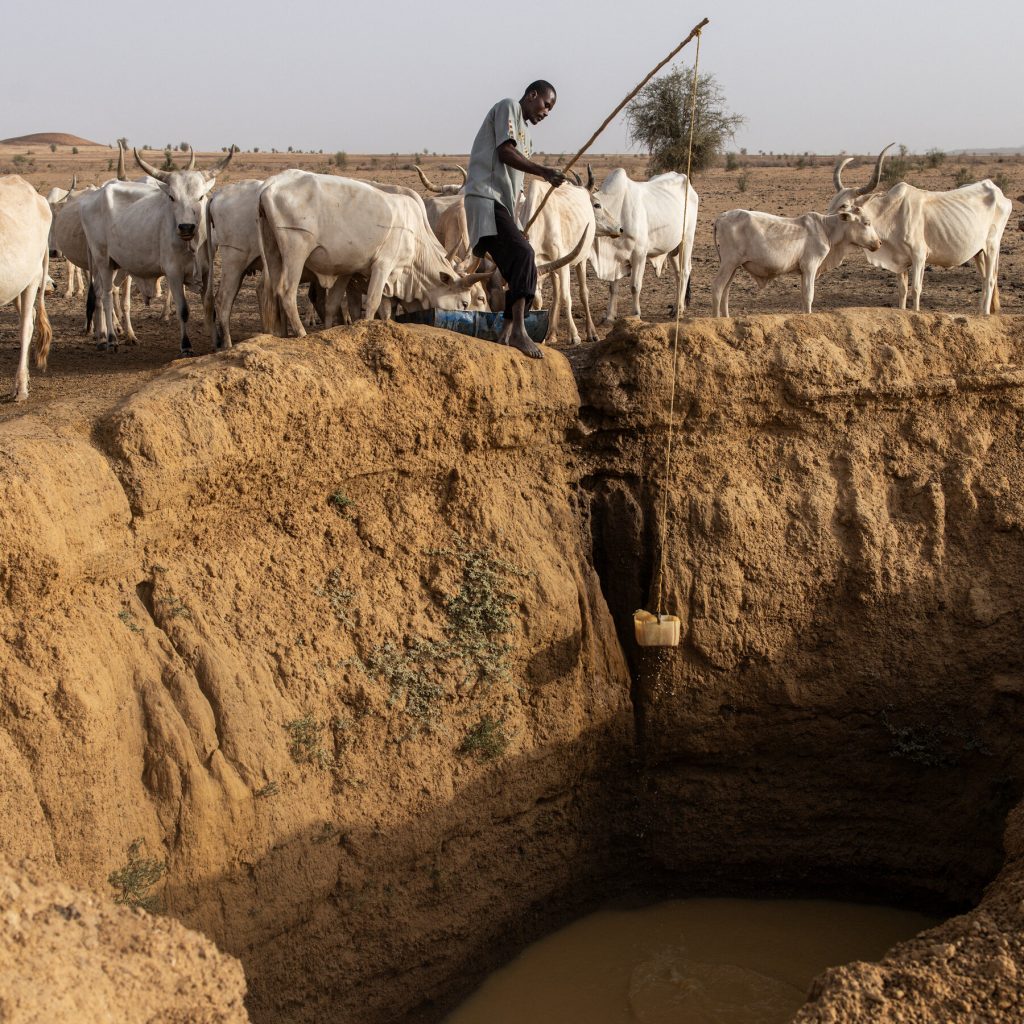
A recent report by the United Nations has sounded the alarm on a concerning trend in international climate aid. Despite a pledge made in 2021 by wealthy nations to increase financial support to developing countries in their efforts to adapt to the ravages of climate change, the flow of funds appears to be dwindling. This development raises serious questions about the global community’s commitment to helping vulnerable nations cope with the escalating threats posed by a warming planet.
In 2021, in a significant move to address the disproportionate impact of climate change on less affluent countries, rich nations made a commitment to scale up their financial assistance. This pledge was seen as a crucial step towards enabling developing countries to build resilience, adapt to changing climatic conditions, and recover from climate-related disasters. However, a new report by the U.N. suggests that this well-intentioned goal is on the brink of being unfulfilled.
The decline in climate aid comes at a time when the need for such support has never been more pressing. Rising temperatures are leading to more frequent and severe weather events, from hurricanes and wildfires to droughts and floods, which disproportionately affect the world’s most vulnerable populations. The financial assistance provided by wealthier nations is critical for helping these countries to prepare for, respond to, and recover from such disasters.
The U.N.’s findings highlight a growing gap between the financial commitments made by developed countries and the actual funds being delivered to those on the front lines of climate change. This shortfall not only undermines the global effort to combat climate change but also threatens to exacerbate existing inequalities and vulnerabilities.
The report underscores the urgent need for developed nations to recommit to their climate finance pledges. It calls for a significant increase in funding to support adaptation efforts in developing countries, emphasizing that financial support is a critical component of global climate action and a matter of climate justice.
As the international community prepares for future climate negotiations, the U.N.’s warning could not be more timely. It serves as a stark reminder of the need for collective action and accountability in the fight against climate change. The commitment to provide financial support to nations most affected by climate change is not just a moral obligation but a prerequisite for achieving global climate goals and ensuring a more equitable and sustainable future for all.