Aydın,
3°C
açık

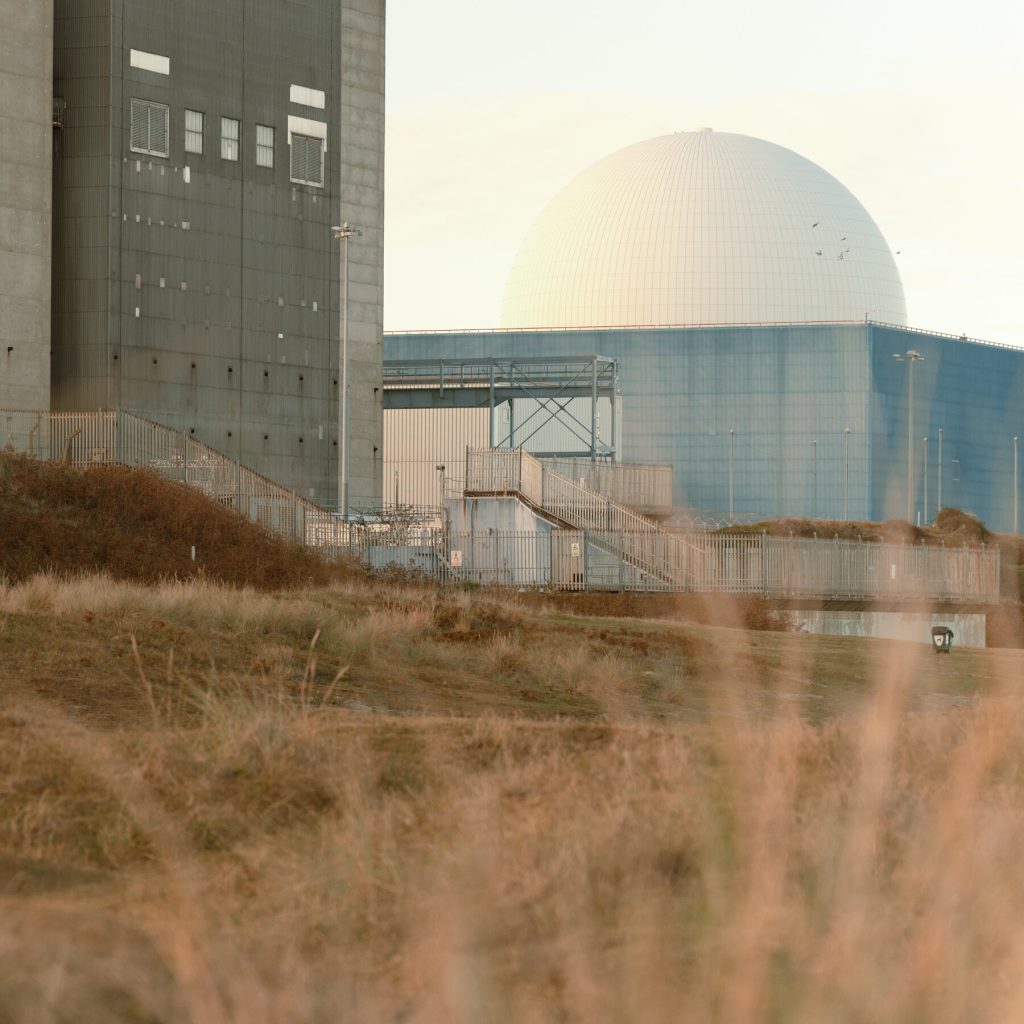
After years of delays and uncertainty, construction has officially commenced on the Sizewell C nuclear power project in the UK. The £25 billion venture, located in Suffolk, England, marks a significant milestone in Britain’s quest to revamp its aging nuclear infrastructure and meet its ambitious climate targets. However, getting to this point was no easy feat, requiring developers to overcome the skepticism of wary investors and fierce local opposition.
The journey to this moment began in 2009, when the UK government first announced plans to build a new generation of nuclear power stations. Sizewell C, a proposed EPR (European Pressurized Reactor) facility, was one of the flagship projects aimed at replacing the country’s aging nuclear fleet and reducing carbon emissions. Despite its potential, the project faced significant hurdles, including concerns over nuclear safety, waste disposal, and the astronomical costs associated with construction.
One of the biggest challenges was winning over investors, who were hesitant to commit to a project with such a high price tag and uncertain returns. To mitigate these risks, the UK government introduced a novel funding model, known as the Contract for Difference (CfD) scheme. This arrangement guarantees a fixed price for the electricity generated by the plant, providing investors with a stable revenue stream and protection against market fluctuations.
In addition to securing investment, developers had to navigate complex regulatory frameworks and address concerns from local communities. The Sizewell C project has been met with resistance from some residents, who are worried about the impact on the local environment, traffic congestion, and the potential risks associated with nuclear power.
Despite these challenges, a consortium of developers, including EDF Energy and China General Nuclear Power Corporation, ultimately secured the necessary funding and approvals to move forward with the project. The construction of Sizewell C is expected to create thousands of jobs, both during the build phase and in the long-term operation of the plant. Once completed, the facility is anticipated to provide enough low-carbon electricity to power around 6 million homes.
The successful launch of Sizewell C marks a significant step forward in Britain’s transition to a low-carbon economy. As the country continues to grapple with the complexities of nuclear power, the Sizewell C project serves as a testament to the government’s commitment to investing in clean energy and reducing greenhouse gas emissions.