Aydın,
-4°C
açık

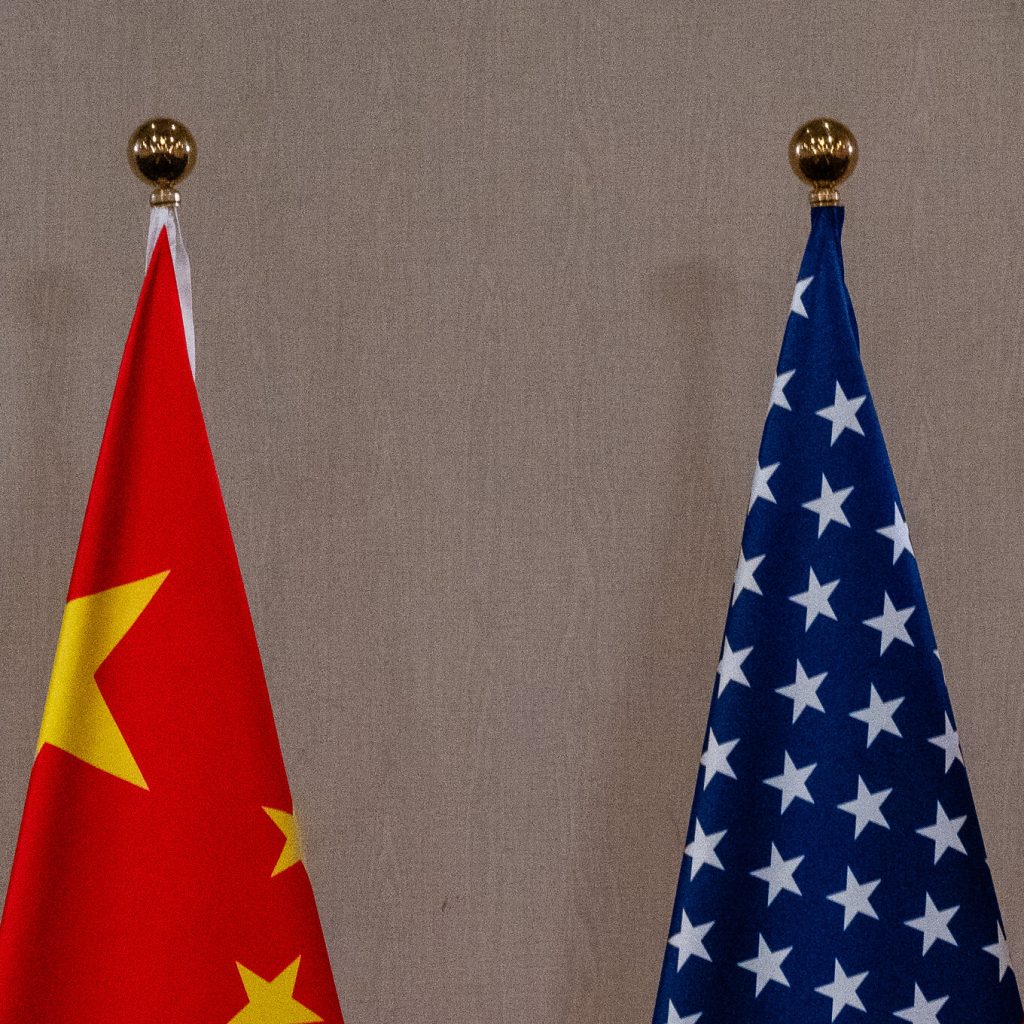
In a deliberate and sustained effort spanning nearly two decades, China has been systematically decoupling its economy from the West, prioritizing national self-reliance and minimizing its dependence on imports. This strategic shift, while antagonizing trade partners, has significantly bolstered Beijing’s economic resilience and defensive capabilities, according to a senior adviser.
By proactively reducing its reliance on foreign goods and services, China has been constructing what can be described as an economic “bulwark” against potential conflicts and trade wars. This move is seen as a calculated attempt to safeguard the nation’s economic interests and ensure stability in the face of growing global uncertainties.
The roots of this strategy date back to the early 2000s, when China’s leadership began to recognize the risks associated with its heavy dependence on international trade and foreign investment. Over the years, Beijing has implemented a series of policies aimed at promoting domestic innovation, developing key industries, and encouraging self-sufficiency in critical sectors.
Through a combination of investments in research and development, industrial policy initiatives, and targeted regulatory measures, China has made significant strides in reducing its reliance on imports. This push for economic self-reliance has not only helped to mitigate the impact of global economic shocks but also enabled China to build a more diversified and robust economy.
While this shift towards economic self-reliance has contributed to tensions with trade partners, who view China’s actions as increasingly protectionist, Beijing remains committed to its strategy. The senior adviser emphasized that China’s efforts to build a more resilient economy have created a vital “bulwark” against potential conflicts, allowing the nation to navigate an increasingly complex and uncertain global landscape with greater confidence.
As the global economy continues to evolve, China’s strategic pursuit of economic self-reliance is likely to remain a key aspect of its economic policy, with far-reaching implications for international trade, global economic governance, and the future of Sino-Western relations.