Aydın,
3°C
açık

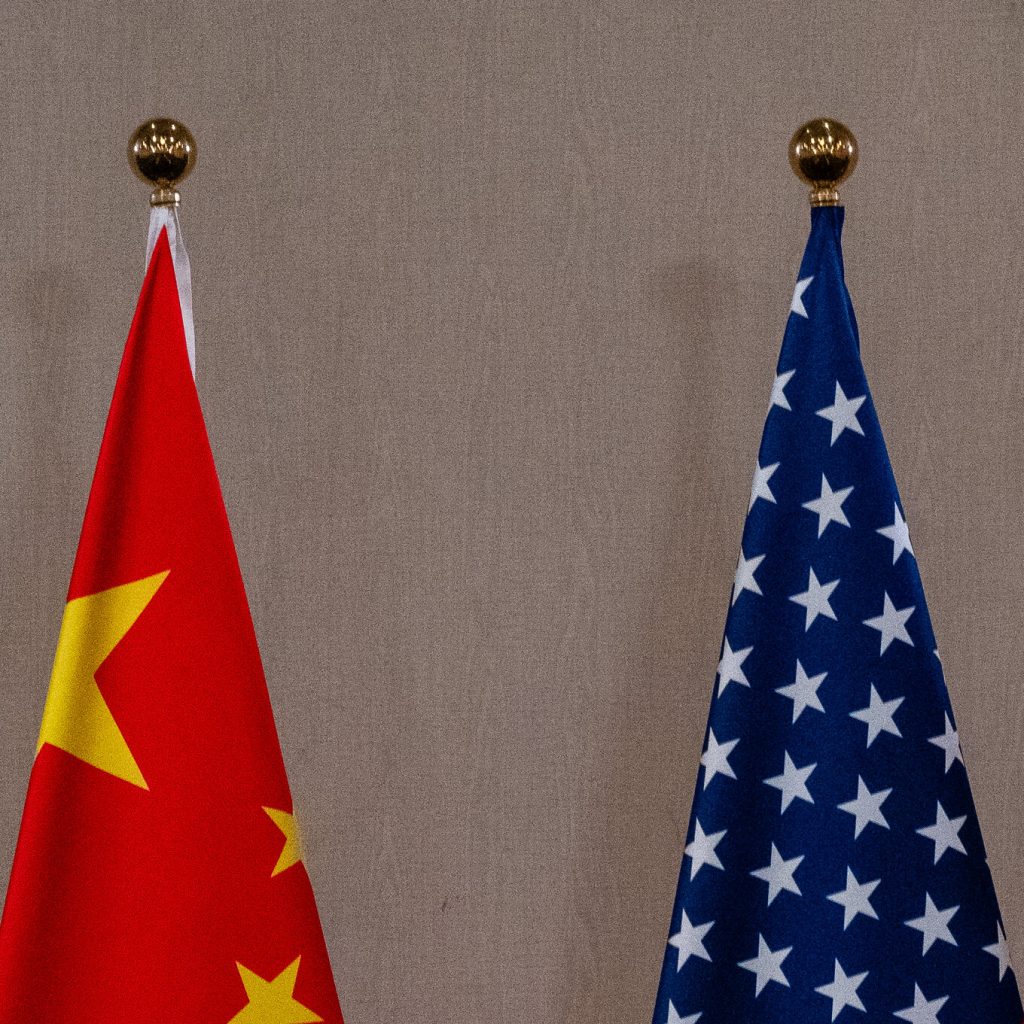
In a strategic move to safeguard its economic interests, China has been diligently working to decouple its economy from the West over the past two decades. This deliberate effort to build national self-reliance and reduce dependence on imports has, however, raised eyebrows among its trade partners. Despite the friction, Beijing’s concerted push has yielded a significant payoff, according to a senior adviser, who described the outcome as a crucial “bulwark” against potential conflicts.
By proactively diminishing its reliance on foreign goods and services, China has been systematically insulating itself from the vagaries of the global economy. This calculated approach has been years in the making, with policymakers in Beijing taking a long-term view to ensure the country’s economic resilience in the face of an increasingly complex and uncertain world.
The results of China’s endeavors are evident in its rapidly expanding domestic market, which has become a vital engine driving the country’s economic growth. As the nation continues to upgrade its industries and technological capabilities, it is gradually reducing its dependence on external factors, thereby minimizing its vulnerability to trade tensions and other forms of economic coercion.
While some may view China’s strategy as a form of economic isolationism, proponents argue that it is essential for the country’s long-term prosperity and stability. By fostering a more self-sufficient economy, Beijing aims to create a secure and sustainable foundation for its future growth, one that is less susceptible to external shocks and more aligned with its national interests.
As China continues on its path towards greater economic independence, the implications of this shift are likely to be far-reaching, with significant consequences for the global economy and international trade. While some may see China’s actions as a threat to the existing global order, others recognize the benefits of a more balanced and diversified world economy, where nations are encouraged to develop their own unique strengths and capabilities.