
Aydın,
1°C
açık

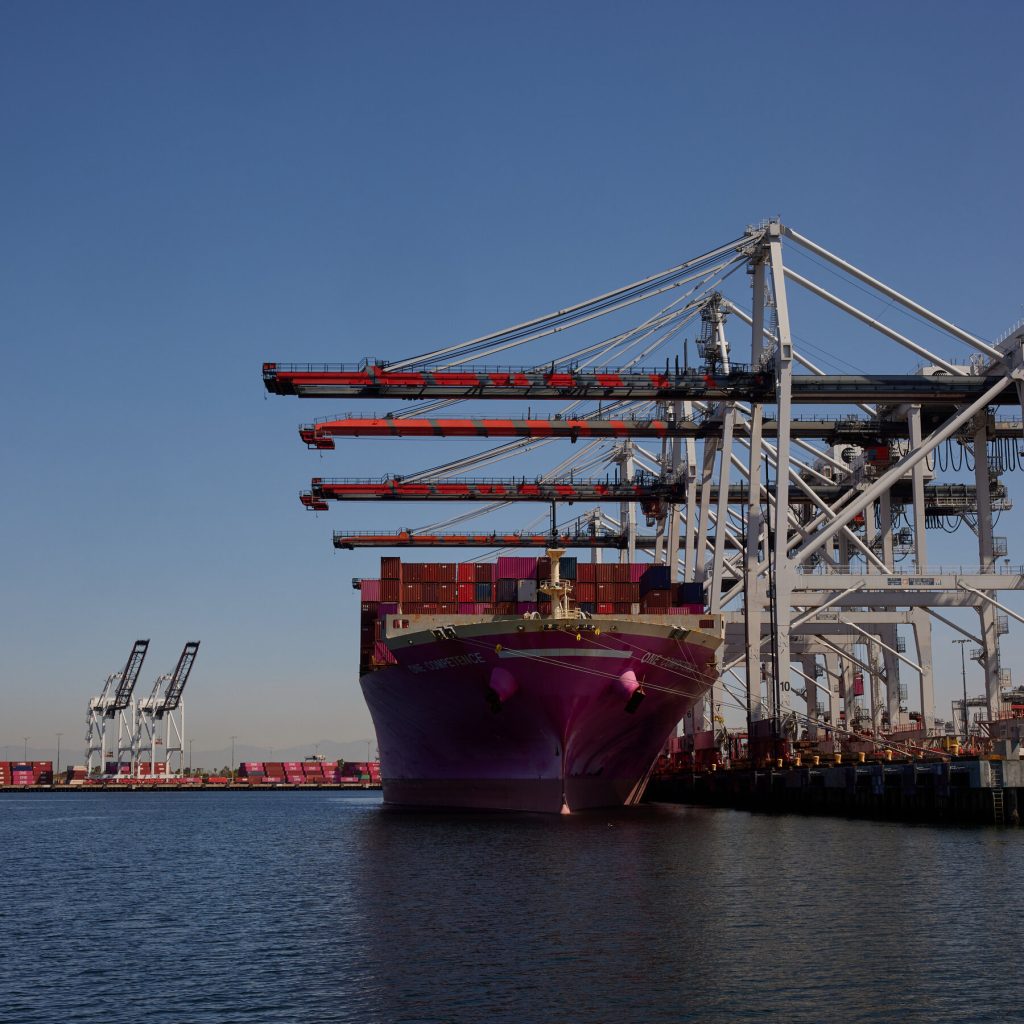
The Supreme Court appeared divided on Wednesday over the legality of President Trump’s decision to impose tariffs on a multitude of countries using a 1977 emergency statute. A majority of justices expressed skepticism over the Trump administration’s broad interpretation of the law, which allows the president to unilaterally impose tariffs on imports in times of national emergency.
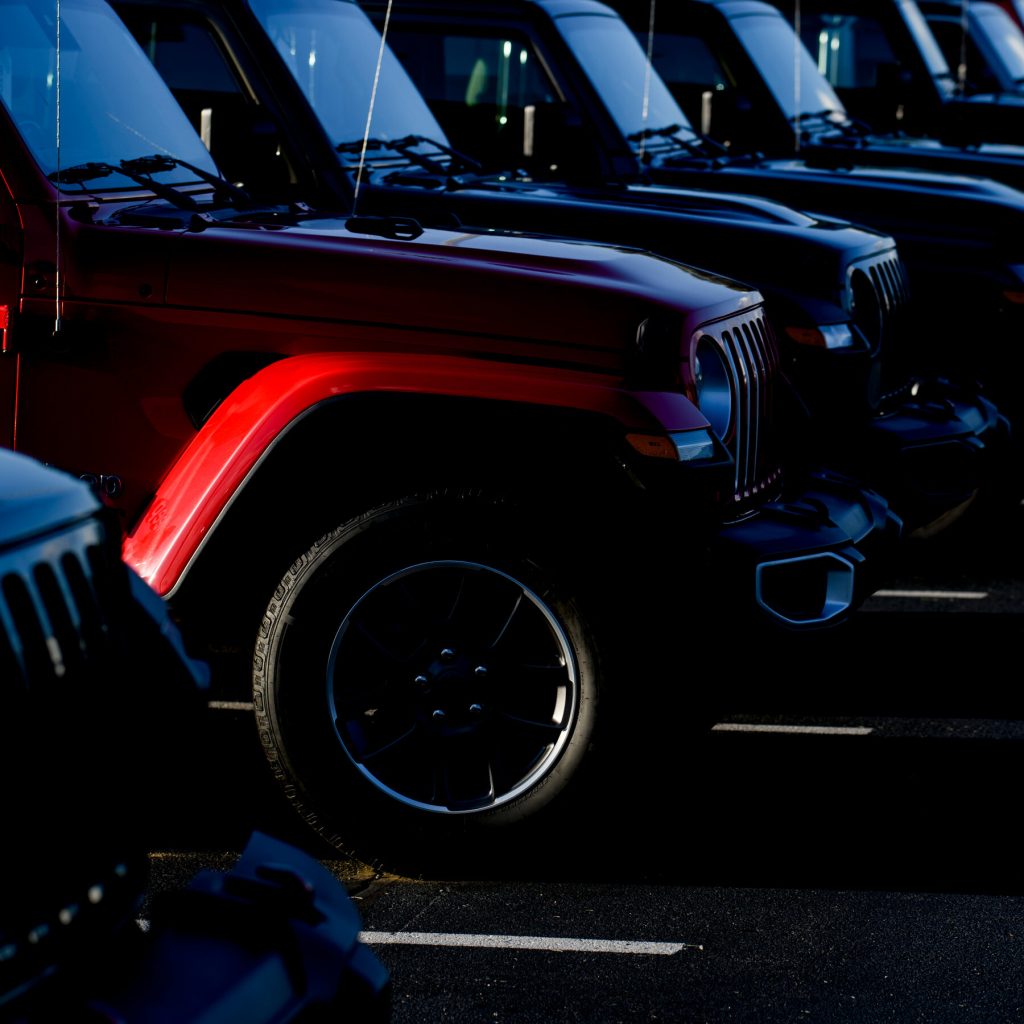
During a nearly two-hour oral argument, several justices questioned whether the statute, known as the International Emergency Economic Powers Act (IEEPA), grants the president unlimited authority to impose tariffs on imported goods. The case, brought by the Trump administration, centers on the president’s decision to impose tariffs on steel and aluminum imports from several countries, including allies like Canada and the European Union.
The IEEPA was enacted in response to the 1979 Iranian hostage crisis, allowing the president to declare a national emergency and impose economic sanctions on foreign entities. The Trump administration argues that the statute gives the president sweeping powers to impose tariffs on imports in the interest of national security.
However, several justices seemed unconvinced by the administration’s argument. Justice Neil Gorsuch questioned whether the statute’s language, which allows the president to “regulate” imports, necessarily implies the power to impose tariffs. Justice Stephen Breyer wondered aloud whether the president’s actions could be considered an overreach of executive authority.
The court’s conservative justices, including Chief Justice John Roberts and Justice Samuel Alito, also appeared to be skeptical of the administration’s broad interpretation of the statute. “If the president can use this statute to impose tariffs on steel and aluminum, where does that end?” Chief Justice Roberts asked, suggesting that such a broad interpretation could have far-reaching consequences.
The case has significant implications for international trade and the balance of power between the executive and legislative branches. A ruling against the Trump administration could limit the president’s ability to impose tariffs unilaterally, potentially curtailing the administration’s aggressive trade policies.
The Supreme Court’s decision is expected to be issued in the coming months, with some justices predicting a close and contentious ruling. Regardless of the outcome, the case has already highlighted the ongoing debate over the limits of presidential power and the role of the judiciary in checking executive authority.





Haber çok ilginç. Trump’ın tarifeleri gerçekten yasal mı? Umarım mahkeme doğru kararı verir.
Bu haber beni çok düşündürüyor. Acaba başkanın yetkileri gerçekten bu kadar mı geniş?
Umarım adalet yerini bulur. Trump’ın politikaları gerçekten çok tartışmalı.
Bu haber uluslararası ticaret için çok önemli. Umarım doğru karar verilir.
Haber çok karmaşık. Umarım uzmanlar doğru yorumu yapar.
Bu haber gerçekten çok ilginç. Acaba başkanın yetkileri sınırlanır mı?
Umarım mahkeme doğru kararı verir. Bu karar çok önemli sonuçlar doğurabilir.