Aydın,
-4°C
açık

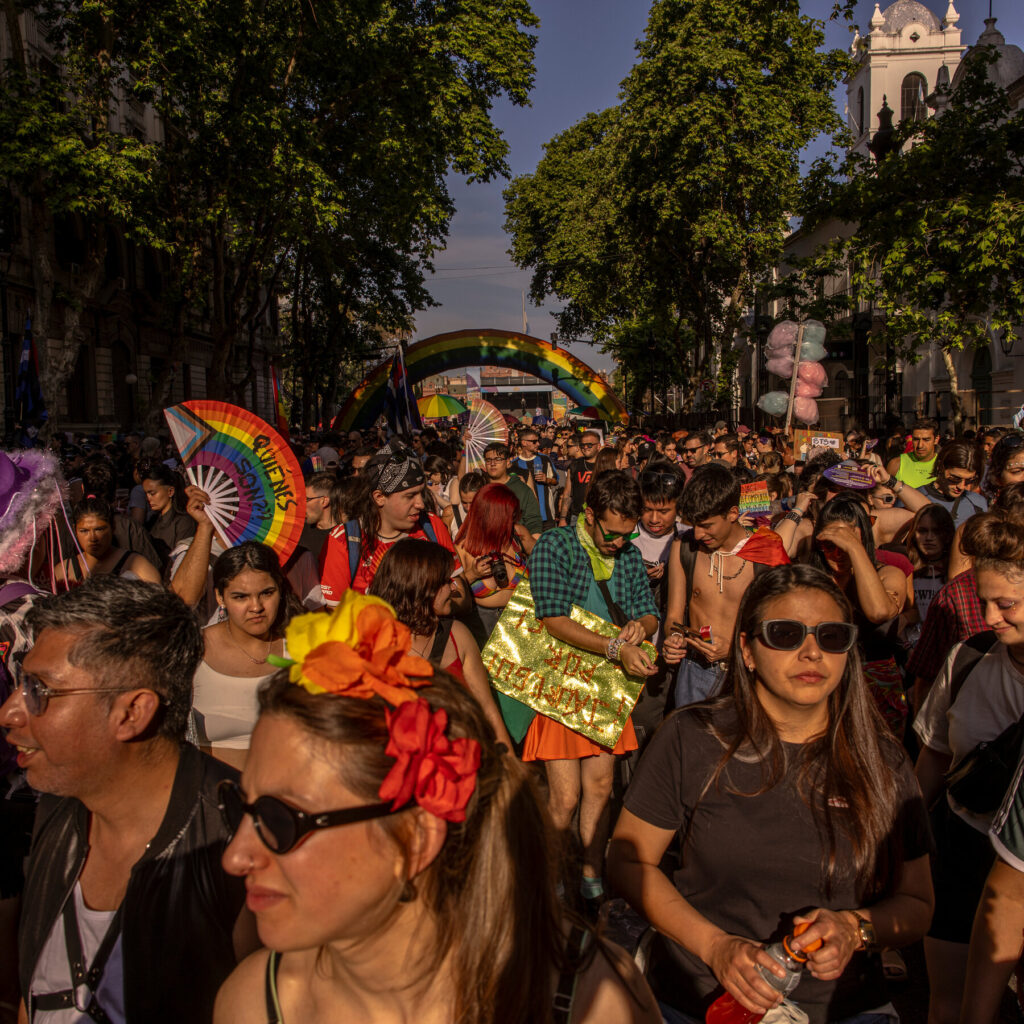
*Buenos Aires, Nov 9 (Reuters) –* In the wake of a sharp intensification of anti‑LGBTQ legislation and police crackdowns in Russia, an increasing number of gay, lesbian, bisexual and transgender Russians are making the long journey across the Atlantic to find refuge in Argentina, a country that has long positioned itself as a progressive sanctuary for sexual minorities.
Since President Vladimir Putin’s administration introduced a series of punitive measures – including the 2022 “gay propaganda” law extension, the 2023 ban on same‑sex adoption, and the recent criminalization of public same‑sex displays – human‑rights groups estimate that at least 3,000 Russian LGBTQ individuals have left the country in the past year alone. Of those, roughly a quarter have chosen Argentina as their destination, according to data compiled by the Argentine Ministry of Migration and the local NGO *Red de Apoyo a Personas LGBTI*.
“The climate in Russia has become intolerable for many of us,” said 28‑year‑old Alexei Morozov, who arrived in Buenos Aires three weeks ago after a harrowing escape from St. Petersburg. “I was threatened with imprisonment for simply holding my partner’s hand in public. Here, I can finally breathe without fear.”
Argentina’s appeal lies not only in its legal protections – the nation was the first in Latin America to legalize same‑sex marriage in 2010 and has comprehensive anti‑discrimination statutes – but also in the presence of an established LGBTQ community in cities such as Buenos Aires, Córdoba and Mendoza. Local NGOs have set up specialized assistance programs offering language classes, legal aid for asylum applications, and mental‑health counseling tailored to the trauma many refugees have endured.
“The influx of Russian LGBTQ asylum seekers is part of a broader wave of people fleeing persecution based on sexual orientation and gender identity across the globe,” said María López, director of *Amnistía Internacional* Argentina. “Our government’s commitment to uphold the 1951 Refugee Convention, combined with civil society’s readiness to welcome them, makes Argentina a natural destination.”
Argentina’s National Directorate of Migration reported a 42 % rise in asylum applications from Russian nationals over the past twelve months, with LGBTQ status cited as the primary ground for protection in more than half of the cases. The average processing time for such applications has been reduced to eight months, a notable improvement from previous years, thanks to a dedicated task force established in early 2024.
However, integration challenges remain. Language barriers, credential recognition, and securing stable employment are persistent hurdles for many newcomers. “Finding a job that matches my qualifications as a software engineer has been tough,” said Irina Petrov, a 34‑year‑old refugee who now volunteers at a local LGBTQ shelter while attending Spanish classes.
Human‑rights advocates warn that the situation in Russia could deteriorate further, especially after the recent amendment to the criminal code that imposes up to three years in prison for “propaganda of non‑traditional sexual relations” in the presence of minors. International observers have called the move a violation of Russia’s obligations under the European Convention on Human Rights, to which Russia remains a signatory.
In response, the Argentine government has pledged additional funding for NGOs assisting LGBTQ refugees and is exploring bilateral talks with European nations to coordinate resettlement efforts. “Solidarity knows no borders,” President Alberto Fernández remarked in a statement on Tuesday. “We will continue to open our doors to those who seek safety and dignity.”
As the exodus continues, Argentina’s role as a beacon of tolerance is being tested and, according to many, reaffirmed. For Russian LGBTQ individuals like Alexei and Irina, the promise of a society where love is not criminalized offers a glimmer of hope after years of oppression.