
Aydın,
1°C
açık

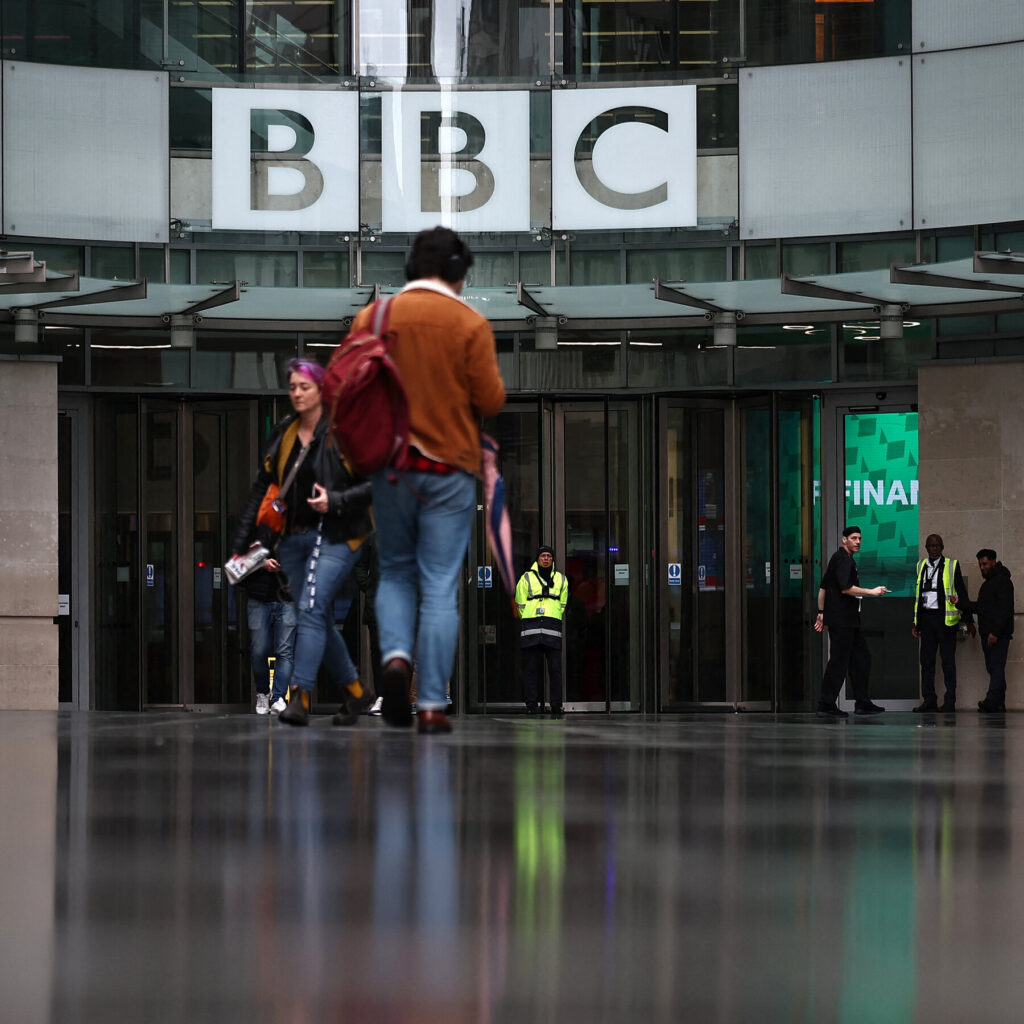
The British public‑service broadcaster issued a formal apology on Monday after it emerged that a documentary about former U.S. President Donald Trump had been edited in a misleading way. The network acknowledged that the cuts and rearrangements gave viewers a distorted impression of the former president’s statements and actions.
BBC executives said the error was “unacceptable” and promised a thorough review of editorial procedures. “We owe our audience an accurate and impartial account of the facts,” a senior editor explained, adding that the organization would implement stricter checks to prevent similar mistakes.
The scandal comes at a particularly precarious moment for the corporation. In the past few weeks, two of the BBC’s most senior leaders have stepped down amid mounting pressure over governance, funding, and editorial independence. Their departures have left a leadership vacuum that many fear could undermine the broadcaster’s ability to navigate the current controversy.
Critics argue that the Trump documentary episode is symptomatic of deeper problems within the institution, including accusations of political bias, budget cuts, and a perceived erosion of the public‑service ethos that has defined the BBC for over a century.
While the apology aims to restore trust with viewers, industry observers warn that rebuilding the broadcaster’s reputation will require more than a single statement. Transparent investigations, robust editorial safeguards, and stable leadership will be essential if the BBC hopes to emerge from what many are calling its most serious crisis in decades.





BBC’nin yaşadığı bu kriz gerçekten çok ciddi. Bir kamu hizmeti yayın kuruluşu olarak tarafsızlıklarını korumak zorundalar.