Aydın,
3°C
açık

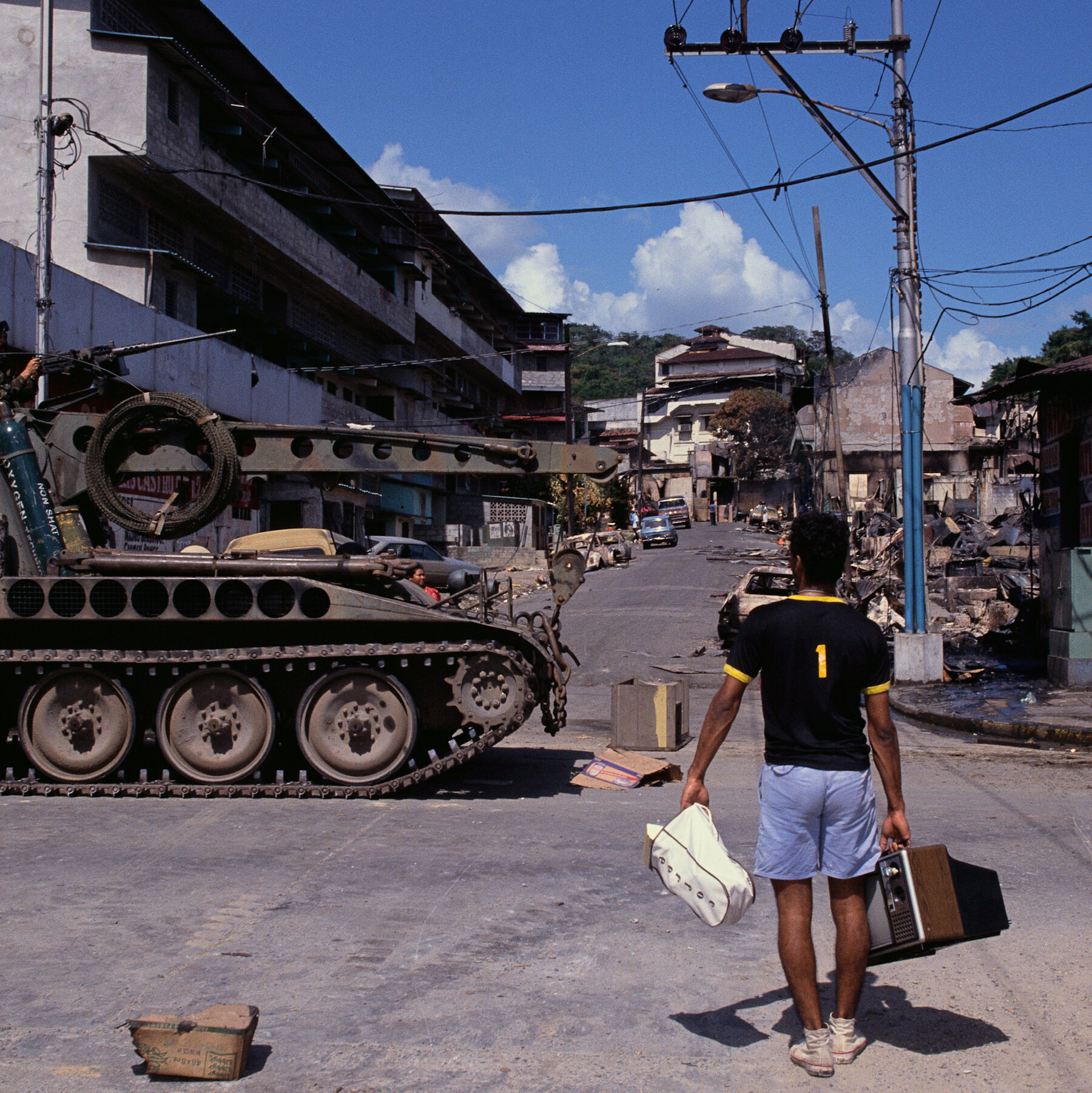
When the United States moved to remove Panama’s authoritarian ruler, the operation unfolded quickly and with minimal resistance. The swift ouster was hailed by some as a model for dealing with entrenched dictatorships in the region.
Analysts warn that drawing direct parallels between Panama and Venezuela is dangerously misleading. Although both nations have suffered under long‑standing autocrats, the political, economic, and social landscapes differ dramatically.
The term “heavy‑metal fall” refers to the brutal, rapid disintegration of a dictator’s grip on power, marked by violent clashes, widespread arrests, and a sudden vacuum in governance. In Panama, this collapse was facilitated by a relatively small but well‑coordinated coalition of opposition forces and external pressure.
President Donald Trump has cited Panama’s experience as inspiration for a potential intervention in Venezuela. He argues that a decisive, forceful approach could dismantle Nicolás Maduro’s regime and pave the way for a democratic transition.
Implementing a Panama‑style operation in Venezuela could trigger a humanitarian crisis, deepen regional instability, and undermine the United States’ credibility. Critics stress that any intervention must be tailored to the unique realities on the ground, rather than relying on superficial similarities.
While the rapid downfall of Panama’s dictator offers a tempting template, the complexities of Venezuela demand a nuanced, multilateral approach. Ignoring these differences could lead to unintended consequences that far outweigh the intended benefits.