Aydın,
8°C
açık

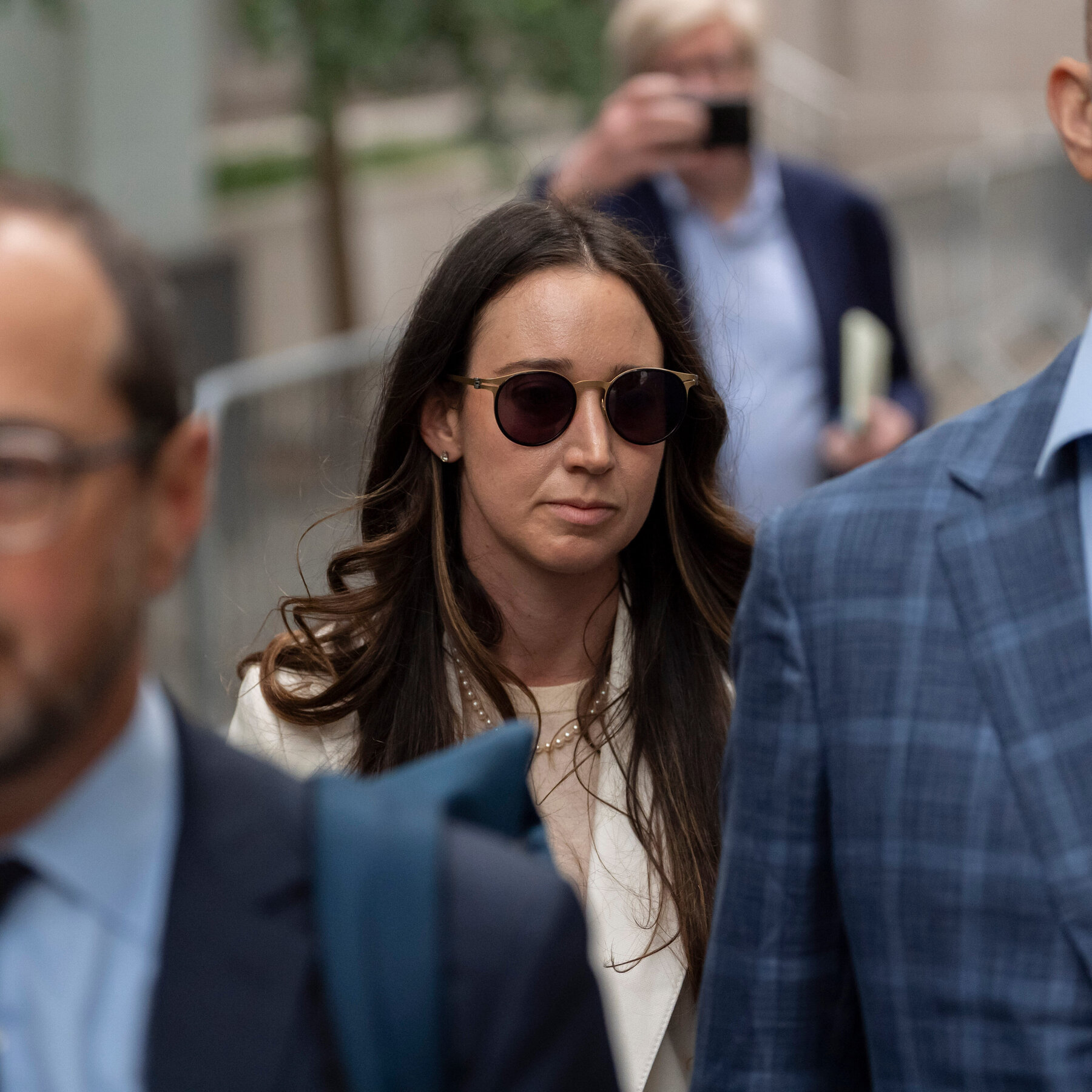
When federal prosecutors charged Charlie Javice with alleged fraud, the fallout extended far beyond courtroom drama. JPMorgan Chase, the lender that had backed Javice’s high‑profile fintech venture, found itself on the hook for a substantial portion of her legal expenses.
Javice, once hailed as a rising entrepreneur after selling her student‑loan platform to the bank for a reported nine‑figure sum, now faces accusations that she fabricated user data to inflate the company’s value. The indictment alleges that she misrepresented the size of her customer base, leading JPMorgan to overpay for the acquisition.
According to court filings, the bank has agreed to cover:
JPMorgan’s spokesperson expressed “deep disappointment” over the expenses, noting that the bank never anticipated having to foot the bill for a former partner’s personal outlays. “We are committed to protecting our interests and will continue to pursue all legal avenues to recover losses,” the statement read.
Industry analysts warn that this episode could set a precedent for how lenders handle post‑acquisition disputes. Legal experts suggest that banks may become more cautious in structuring earn‑out clauses and in conducting due diligence to avoid similar financial entanglements.
As the case proceeds, both Javice and JPMorgan face significant uncertainty. The former CEO’s future hinges on the outcome of the fraud trial, while the bank must decide whether to seek restitution for the legal fees and personal expenses it has already absorbed.