Aydın,
10°C
parçalı bulutlu

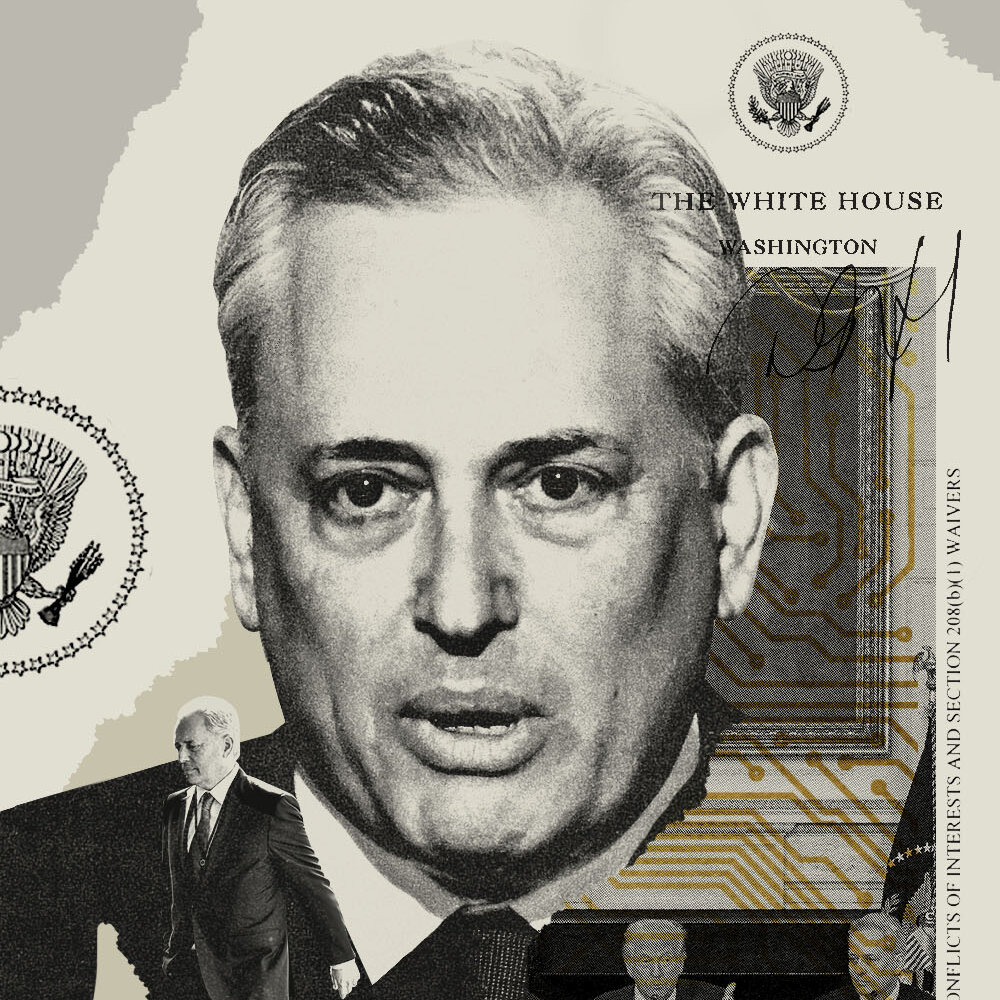
David Sacks, a veteran entrepreneur and former PayPal executive, was appointed by the Trump administration to head the newly created Office of Artificial Intelligence and Cryptocurrency. His résumé includes founding several successful start‑ups and serving on the boards of dozens of tech firms, giving him deep ties to Silicon Valley’s elite.
Since taking office, Sacks has championed a series of regulatory relaxations that directly benefit the sectors where he holds stakes. Notably, he advocated for a “sandbox” framework for crypto projects, allowing companies to test new tokens without the usual compliance burdens. The same framework has been adopted by several firms in which Sacks holds equity.
In the realm of artificial intelligence, Sacks pushed for a “light‑touch” approach that postpones the implementation of strict data‑privacy rules. This move eases the path for large language‑model developers—many of which are Sacks’ former collaborators—to scale their products faster and with fewer legal hurdles.
Analysts have identified a pattern of stock purchases and venture‑capital inflows that coincide with Sacks’ policy announcements. For example, the market value of NeuroChain, a blockchain platform co‑founded by a close friend of Sacks, jumped more than 30 % after the sandbox legislation was signed into law.
Similarly, QuantumVision, an AI‑driven imaging startup where Sacks sits on the advisory board, reported a surge in government contracts following the relaxation of export‑control rules he helped draft.
Consumer‑rights groups and several members of Congress have called for an independent audit of Sacks’ financial disclosures. “When a regulator stands to profit from the rules he writes, the public trust erodes,” said Rep. Maria Alvarez (D‑CA) during a recent hearing.
Transparency advocates argue that the administration should enforce stricter recusal policies to prevent officials from shaping regulations that could affect their personal holdings.
If the current trajectory continues, the line between public policy and private profit could become increasingly blurred in the tech sector. Observers warn that without robust oversight, the “revolving door” between Washington and Silicon Valley may accelerate, granting a select group of innovators disproportionate influence over national standards.
For now, David Sacks remains a pivotal figure at the intersection of government and technology, steering policies that many see as a boon for his own network of friends and investments.