Aydın,
1°C
açık

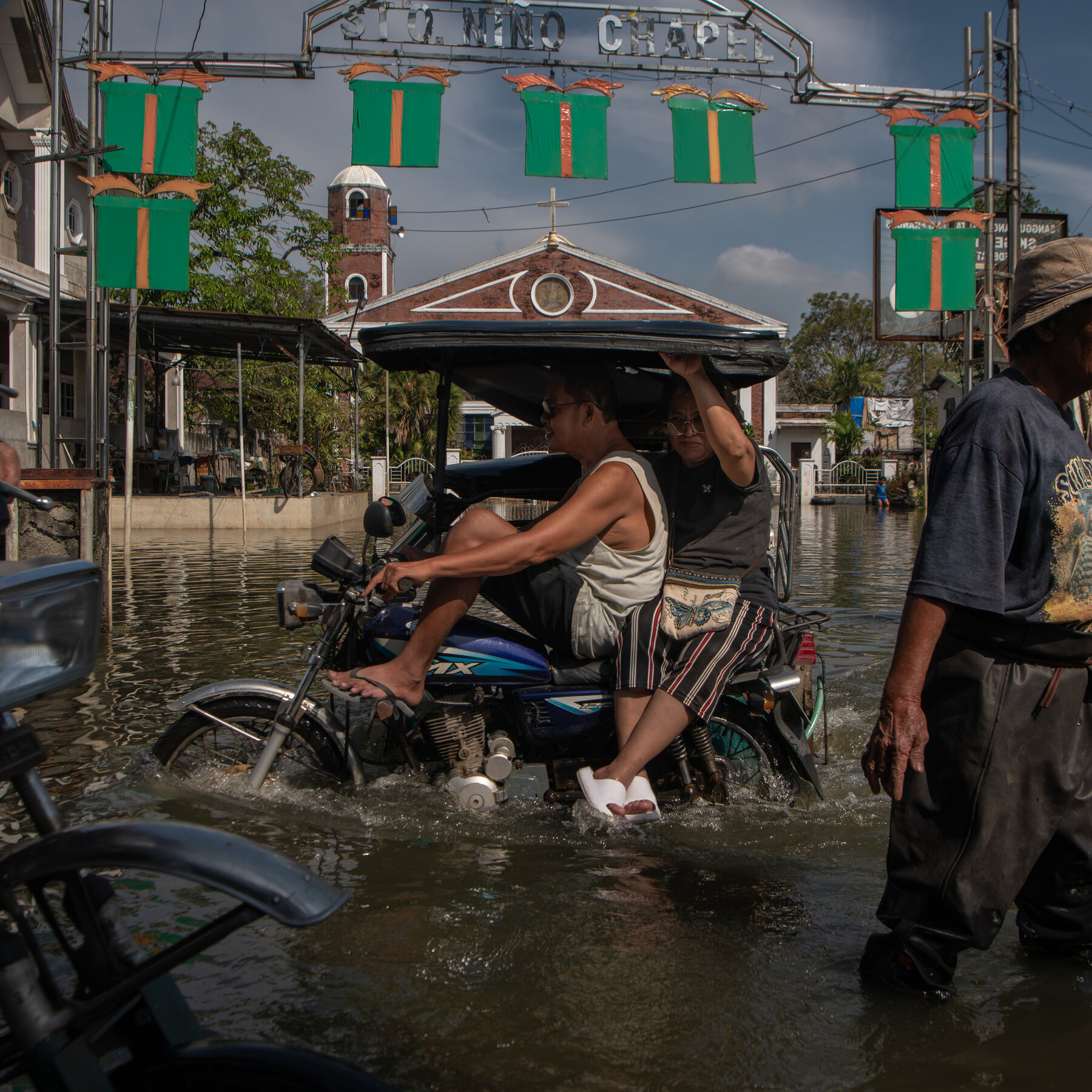
Across the Philippines, residents increasingly describe floods as the most severe they have ever witnessed. “Every rainy season feels like a new disaster,” says a farmer from Leyte, echoing the sentiment of countless communities battered by swollen rivers and inundated streets.
In response to these growing threats, the national government launched an ambitious flood‑control program in 2018, earmarking over PHP 200 billion for the construction of dams, levees, drainage systems, and early‑warning networks. The plan, touted as the country’s most comprehensive effort to curb water‑related calamities, promised to safeguard millions of lives and protect critical infrastructure.
Recent investigations, however, have uncovered that a substantial portion of the allocated budget never reached its intended projects. Audits conducted by the Commission on Audit (COA) revealed that roughly PHP 78 billion was siphoned off through fraudulent contracts, ghost suppliers, and inflated invoices. High‑ranking officials from several agencies have been implicated, and legal proceedings are now underway.
The shortfall in funding has left many flood‑control structures incomplete or poorly maintained. In Metro Manila, a newly built drainage tunnel remains half‑finished, while in the Visayas, a promised river‑bank reinforcement project stalled after only 30% of the work was completed. As a result, heavy rains continue to cause widespread flooding, displacing families, damaging crops, and crippling local economies.
President Mariano Reyes publicly acknowledged the scandal, stating, “We will not tolerate any misuse of public money, especially when it jeopardizes the safety of our citizens.” The administration has pledged to recover the stolen funds, tighten procurement procedures, and launch an independent oversight committee to monitor ongoing flood‑control initiatives.
Experts warn that without swift corrective action, the Philippines will remain vulnerable to increasingly severe flood events, exacerbated by climate change and rapid urbanization. Strengthening transparency, ensuring that allocated resources reach the ground, and accelerating the completion of critical infrastructure are essential steps to protect the nation’s future.