Aydın,
1°C
parçalı bulutlu

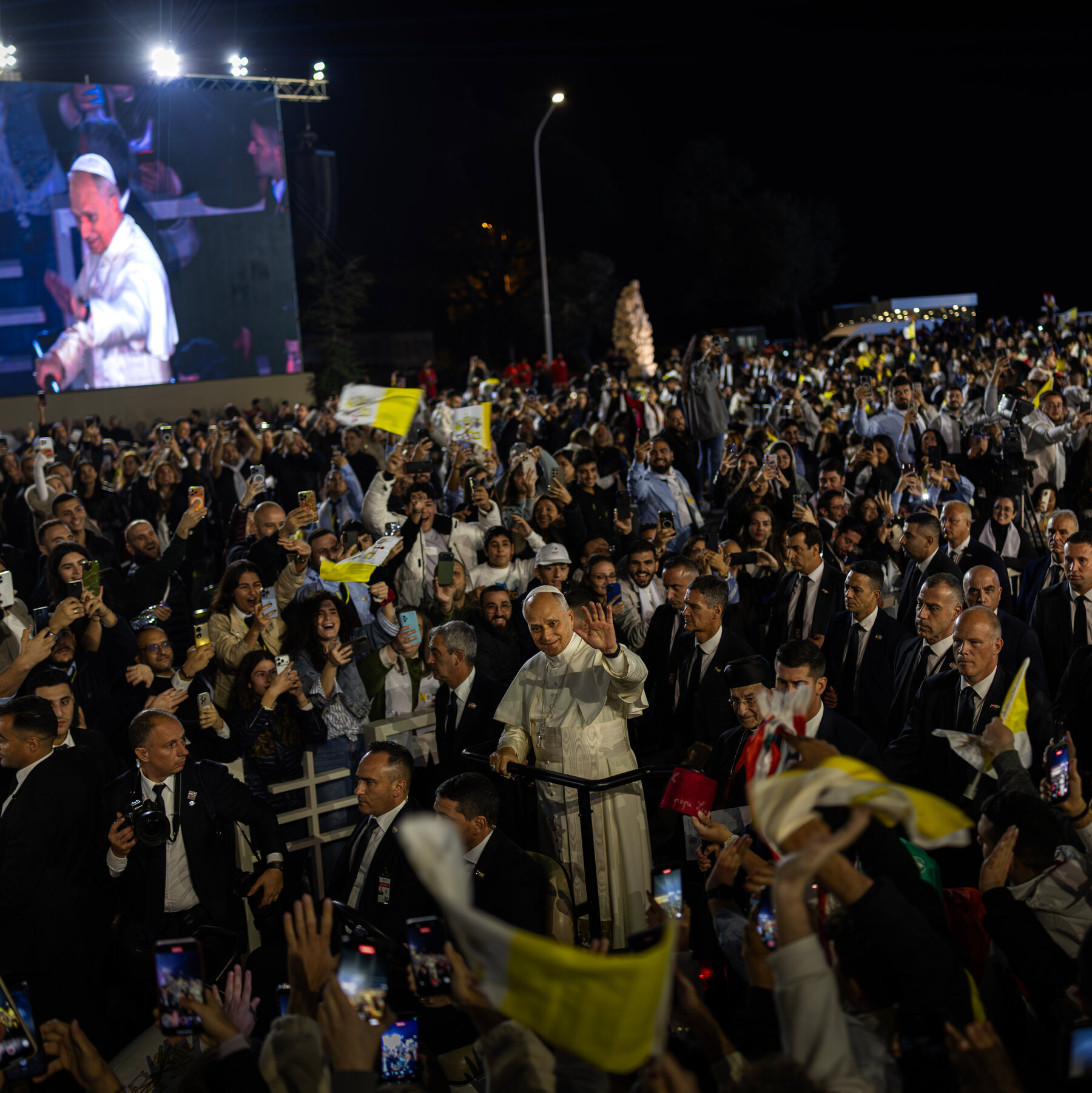
From the ancient streets of Istanbul to the historic hills of Beirut, Pope Leo XIV embarked on a week‑long pilgrimage that highlighted the Catholic Church’s commitment to dialogue, peace, and solidarity in the region. While the Holy Father’s itinerary mirrored that of his predecessor, Pope Francis, the tone and presentation of his addresses marked a distinct, more measured approach.
Throughout both visits, Leo reiterated the core themes championed by Francis: the defense of human dignity, the urgent call for inter‑faith cooperation, and the need to protect the most vulnerable. In Istanbul’s Hagia Sophia, he affirmed that “the pursuit of peace and mutual respect remains the cornerstone of our shared future,” echoing Francis’s earlier remarks on the importance of “building bridges, not walls.”
Unlike Francis’s often spontaneous and emotive delivery, Pope Leo’s speeches were characterized by a calm, contemplative cadence. He chose to pause thoughtfully before each key point, allowing his words to resonate more deeply with the audience. This measured delivery was evident during his address at the Maronite Cathedral in Beirut, where he spoke at length about the “lasting impact of reconciliation” and the “steady hand of compassion” required in times of crisis.
Local religious leaders praised the Pope’s emphasis on unity and his respectful tone, noting that his “deliberate style” fostered an atmosphere of thoughtful reflection rather than emotional fervor. Observers in both countries reported a surge in inter‑faith gatherings following the papal visits, suggesting that Leo’s message resonated beyond the walls of the cathedrals.
As Pope Leo XIV returns to the Vatican, analysts anticipate that his diplomatic approach will continue to shape the Church’s outreach in conflict‑prone regions. While his messages align closely with Francis’s vision, the nuanced delivery may signal a new chapter in papal engagement—one that balances passionate advocacy with calm, purposeful discourse.