Aydın,
1°C
parçalı bulutlu

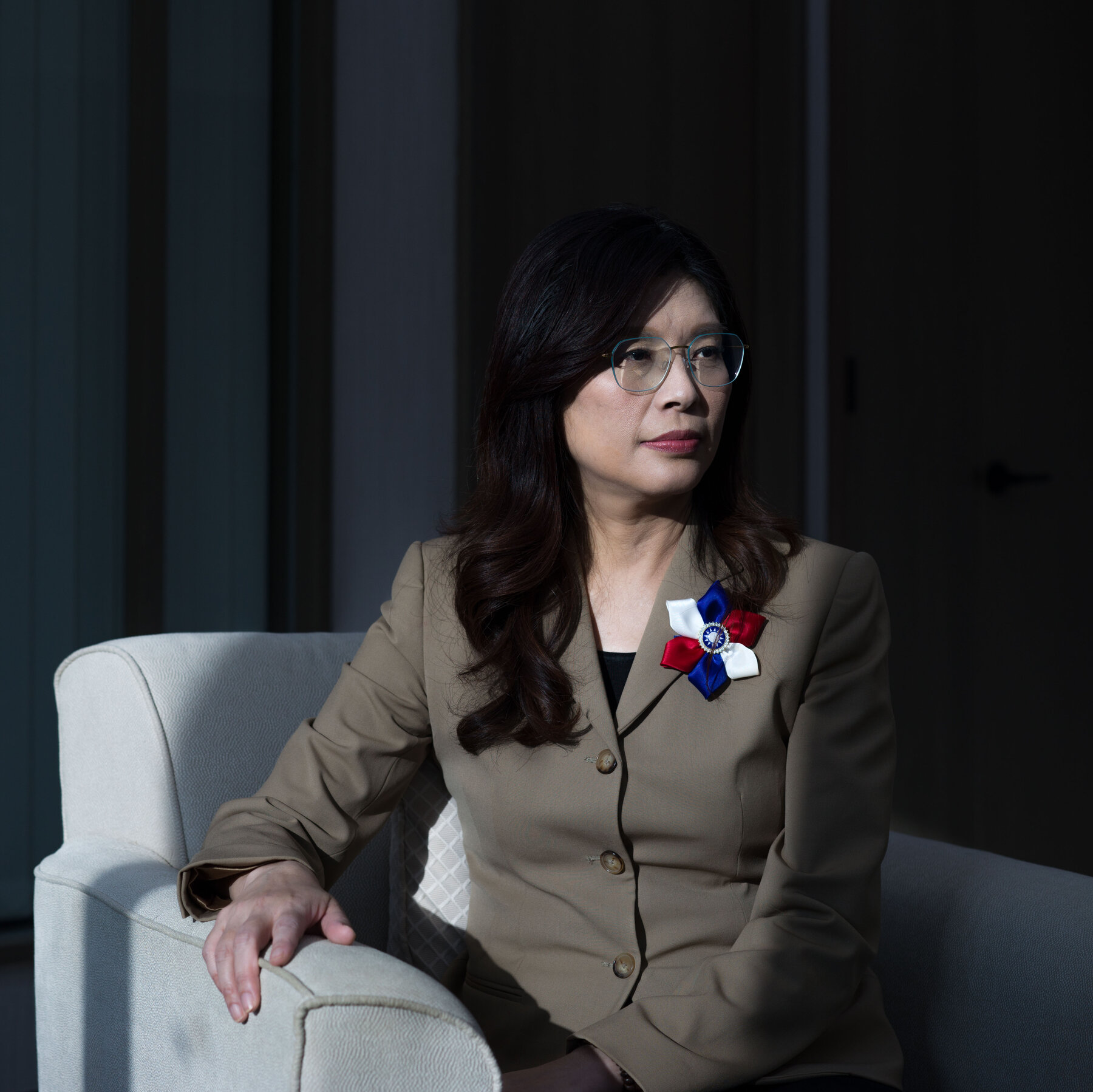
In a surprising turn of events, Lin Mei‑hua, the longtime head of the Democratic Progressive Alliance (DPA), has publicly abandoned her party’s traditional pro‑independence stance. Speaking at a press conference in Taipei on Tuesday, Lin declared that Taiwan must “re‑embrace its Chinese heritage” if it hopes to avoid a catastrophic war on the island.
Lin argued that the island’s “historical and cultural roots” are inseparable from mainland China, and that a pragmatic approach to cross‑strait relations is the only viable path forward. “We are not denying our democratic values,” she said, “but we cannot ignore the reality that our security is linked to the mainland.”
She outlined a three‑point plan:
Opposition leaders and civil‑society groups have slammed Lin’s statements as a betrayal of Taiwan’s democratic aspirations. Chen Wei‑lun, leader of the Green Future Party, warned that “her rhetoric is a thinly veiled invitation for Beijing to tighten its grip over the island.”
Human‑rights organizations also expressed concern, noting that any move toward Beijing could jeopardize freedoms that have flourished in Taiwan over the past decades.
Analysts say Lin’s pivot could reshape the political landscape ahead of the 2026 presidential election. Some experts believe her stance might open a diplomatic channel that could reduce tensions, while others fear it could embolden China to increase pressure on Taiwan.
“If the DPA genuinely pursues dialogue, it could lead to a de‑escalation of military posturing,” said Dr. Huang Yu‑chen, a senior fellow at the Institute for East Asian Studies. “But the risk is that such overtures may be exploited by Beijing to legitimize its claims.
As Taiwan grapples with its identity and security, Lin Mei‑hua’s new direction has ignited a fierce debate about the island’s future. Whether her call for cultural reconciliation will lead to peace or further division remains to be seen.